Calendario de vacunas del perro: cuáles, cuándo y por qué
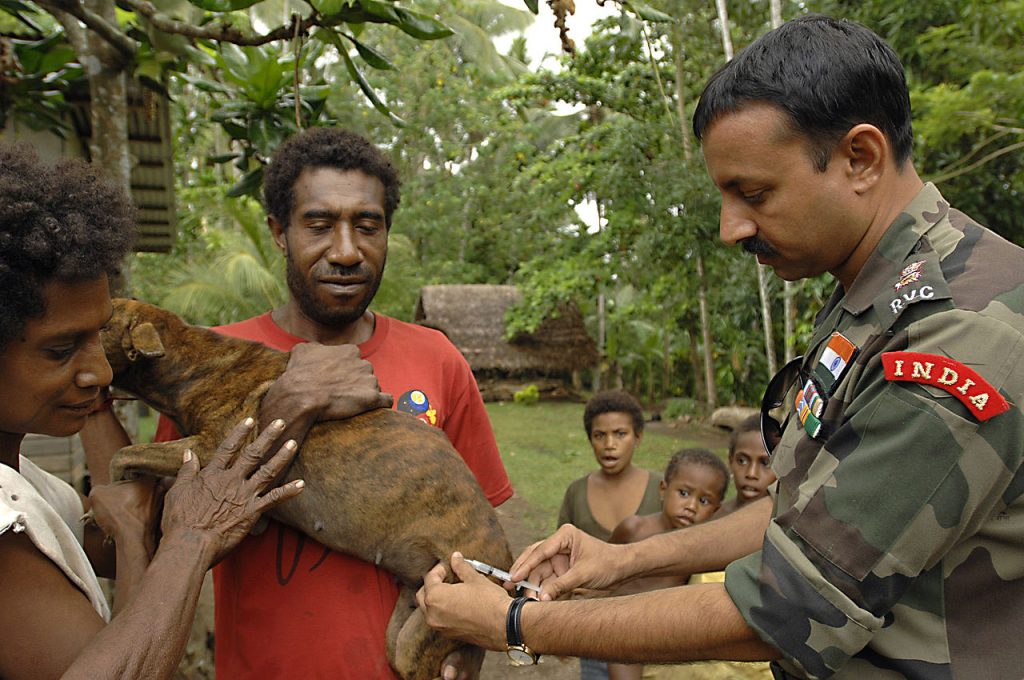
You just got home with a puppy that smells fresh and keeps biting your shoelaces, or maybe you’re taking in an adult you know almost nothing about. In both cases the same question appears: What does vaccines for dogs need, when do you put them on and what are the really essential ones? It’s normal to get lost, because every clinic brochure says one thing and every neighbor another. Here’s a clear timetable, with the exact ages, what protects each injection and when to reinforce it, all based on the most widely used international veterinary guidelines.
Vaccinating well is not a prick for a prick: it’s about protecting your dog from diseases that still kill and, by the way, taking care of public health (rabies, without going any further, is everyone’s business).
Essential and nonessential vaccines: the key difference
The reference guidelines (WSAVA, worldwide, and AAHA in North America) divide vaccines into two groups, and understanding this distinction saves you confusion forever.
- Esenciales (core): the ones that should carry any dog, live where you live, to protect against serious diseases, very contagious or transmissible to people.
- Other (non-essential): are recommended based on the actual risk of each dog: where you live, whether you go to dog shelters, whether you walk in the countryside or if there are phlebotomy in your area.
The modern idea is simple: protect everyone from the essentials and personalize the rest. It’s not “more vaccines, better”, but “the ones this particular dog needs”.
Step by step puppy vaccination schedule
The puppy is born with antibodies that his mother passes to him through colostrum. That protection is a blessing… and a problem: while it lasts, it can block the effect of the vaccine, but we don’t know exactly when it disappears in each animal. So you don’t give a single dose, but a series of doses separated by a few weeks, to “catch” the moment when the puppy is ready to respond.
The scheme recommended by the WSAVA and AAHA guidelines is as follows:
- 6 to 8 weeks: first dose of the essential trivalent (worm, parvovirus and adenovirus/hepatitis), which you’ll see abbreviated as DHP or DHPP.
- 10 to 12 weeks: second dose, 3-4 weeks apart from previous dose.
- 14 to 16 weeks: third dose. And here’s the critical point: the last dose of the series should be given at 16 weeks of age or older. If the puppy gets his last vaccine before that age, some of the dogs are left completely unprotected because the maternal antibodies are still interfering.
That 16-week detail is the most important correction that guidelines have insisted on in recent years, so if your puppy completed the regimen at 12 weeks, discuss it with your veterinarian – he may recommend an extra dose.
rabies is usually given from 12 weeks onwards, usually in a single initial dose which is then boosted.
The reinforcement of the first year, the great forgotten
Finishing the puppy series is not the end. The guides recommend a booster between 6 and 12 months of age(many clinics put it at the right age). This reminder “seals” the immunity and ensures that dogs that have not fully responded to puppies are protected. Skip it and leave a gap in the defense.
Adult dog: reinforcements and every so often
For essential viruses vaccines (mosquito, parvovirus and adenovirus), the evidence shows that immunity lasts for years, which is why international guidelines recommend re-vaccinating not more than once every 3 years after the first year of booster.
This does not mean that your dog stops going to the vet: the annual review is still essential. At that visit, the vet decides what to get that particular year, because not all vaccines last the same:
- In the case of vaccines, the maximum dose shall be at least the following: every 3 years (after first year reinforcement).
- Rabia: according to product and regulations, every 1 or every 2-3 years (in Spain the autonomous community commands).
- Leptospirosis, whooping cough, leishmania: revaccination annual because their protection is shorter.
An increasingly used alternative to essential viruses is tests for antibody titres(serology): a test that measures whether the dog is still protected. If the title is sufficient, revaccination may be postponed. It is a useful tool, although it is costly and does not replace compulsory rabies.
Rabies in Spain: compulsory and with its own rules
Spain is officially free of rabies, but the vaccine remains a pillar of public health and is only legally binding in most of the country.
- Obligatoria: in most communities (Andalusia, Madrid, the Valencian Community, Castile and León, Castile-La Mancha, Aragon, Murcia, Extremadura, La Rioja, Ceuta and Melilla, among others).
- Recommended but not mandatory: is traditionally used in Catalonia, Galicia, Basque Country, Asturias, Navarre and Cantabria.
- It is also compulsory in all cases if you are travelling with your dog outside Spain (European pet passport).
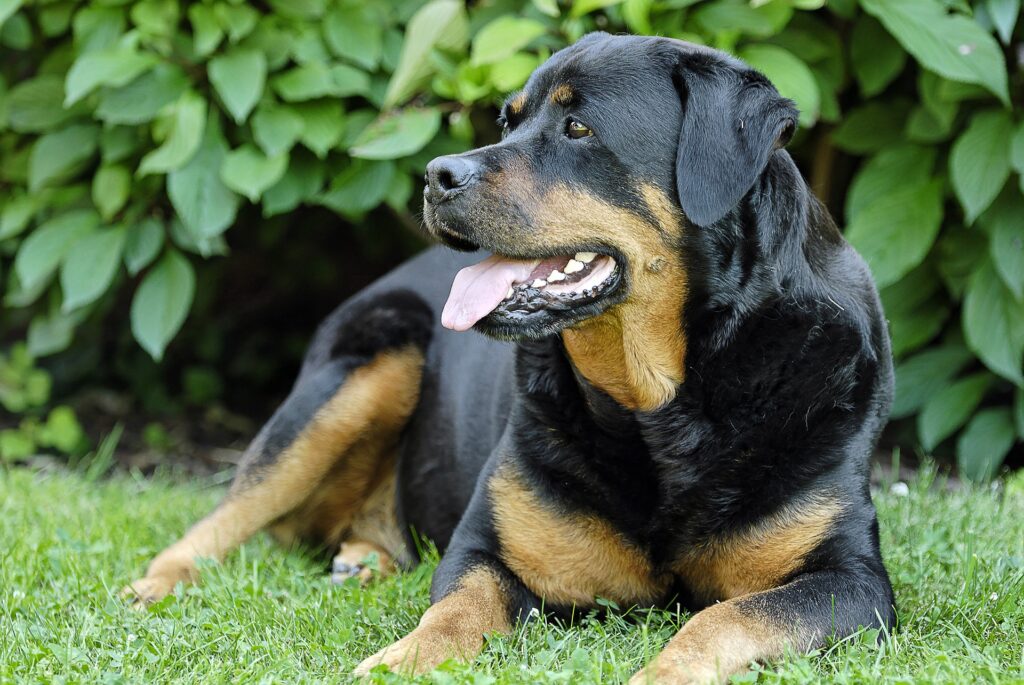
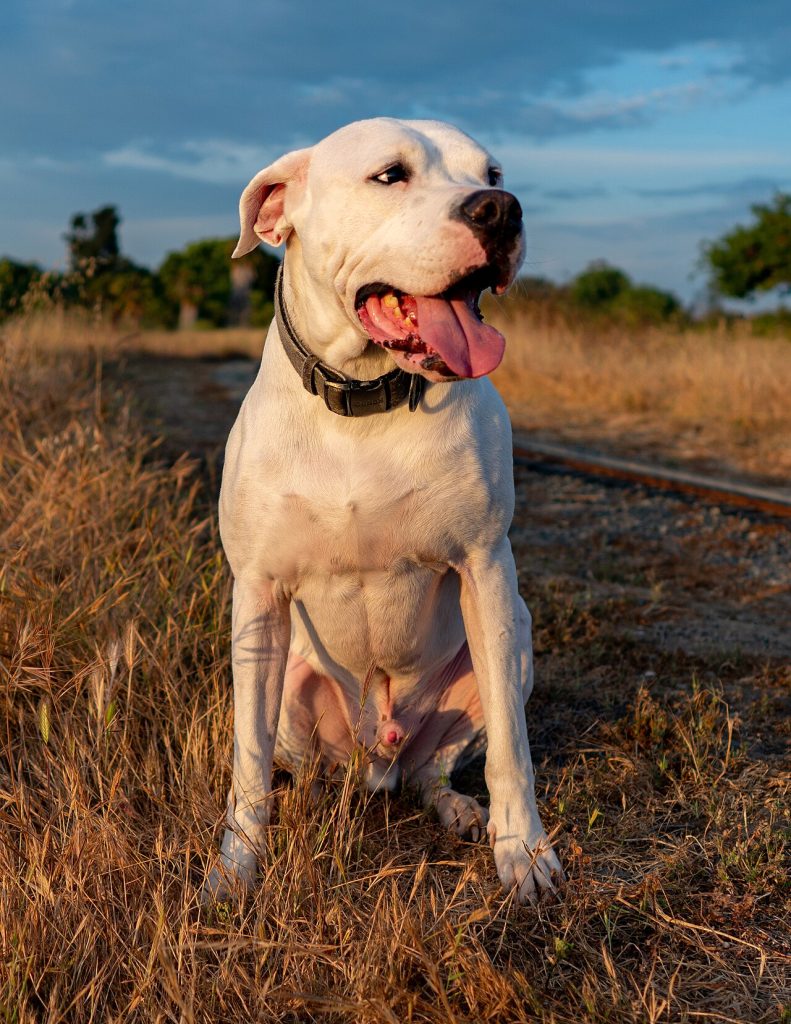
As regulations change, always confirm with your veterinarian what applies in your region this year. And beware: potentially dangerous breeds like the Rottweiler, the Dogo Argentino or the Cane Corso have additional legal requirements (insurance, licensing) where daily vaccination is even more non-negotiable.
Optional vaccines according to lifestyle
These aren’t needed by everyone, but for certain dogs, they make a difference.
Leptospirosis
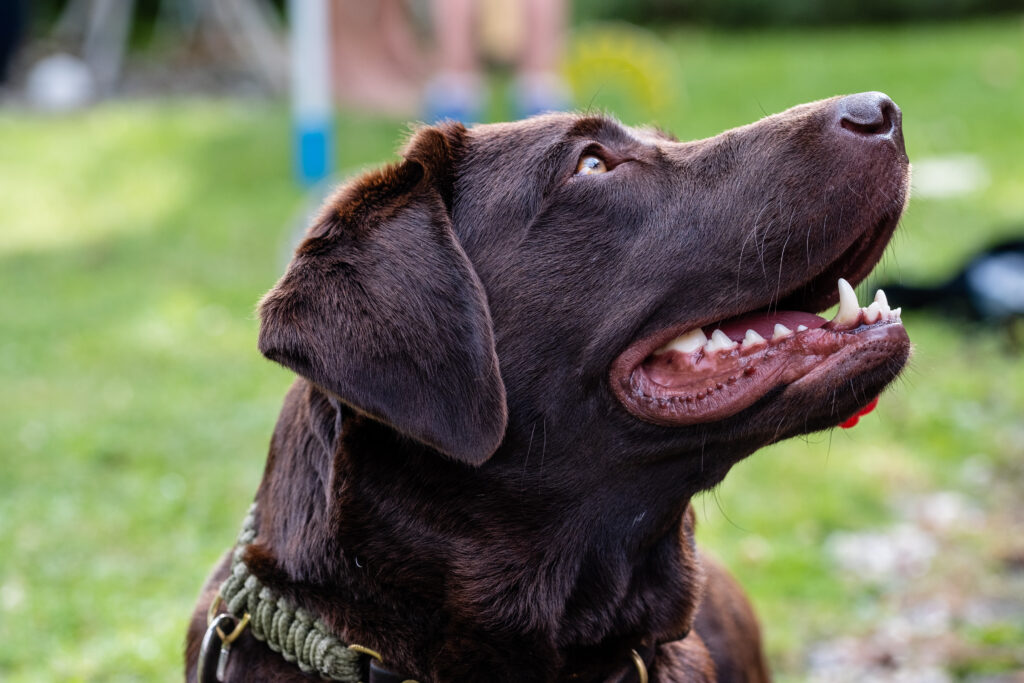
It is a bacterium that is transmitted by standing water, mud, and rodent urine, and can also affect people. It is of interest to dogs that drink in ponds, bathe in rivers, or walk in the field, such as many Labrador Retriever or hunting and tracking dogs. It requires separate two initial doses 2-4 weeks and annual reinforcement.
Dog cough (Bordetella and parainfluenza)
It is the canine equivalent of a very contagious cold. Essential if your dog goes to residencies, day nurseries, competitions or training courses in a group. It is usually given intranasally or orally and its protection is annual. Very sociable dogs such as Golden Retriever or brachycephalic breeds with sensitive airways such as Bulldog Francés benefit especially.
Leishmaniasis
A serious disease transmitted by the bite of the phlebotom (a tiny mosquito), very common in large areas of Spain, especially in the Mediterranean and south. The vaccine is given from 6 months, at an annual dose, and does not replace to antiparasitic measures (collars and repellent pipettes): They go together. It reduces the risk of developing clinical disease, but it does not provide total protection, so comprehensive prevention is still key if you live in an endemic area.
Summary of the calendar
| Vaccine | You know what? | Primary vaccination | Reinforcement |
|---|---|---|---|
| It is not recommended to use any of the following medicinal products: | Essential | 6-8, 10-12 and 14-16 sem. (last with 16+ sem.) | Every year and then every 3 years |
| Anger | Essential / compulsory | From 12 weeks | Every 1-3 years by community |
| Leptospirosis | Not essential (recommended) | 2 doses from 8-9 weeks. | Annually |
| Whooping cough | Not essential | Depending on the product, from 3 to 8 weeks. | Annually |
| Leishmaniasis | Non-essential (endemic areas) | 1 dose from 6 months of age | Annually |
It is a general guideline: the exact ages and specific products depend on the brand of vaccine and the discretion of your veterinarian, who adapts the schedule to your dog.
Common Mistakes to Avoid
- Get the puppy out early. up to 1-2 weeks after the last dose (from 16 weeks) is not fully protected. But neither is it isolated from the world: socialization is vital. The solution is to expose it to stimuli in a controlled way (arms, safe environments, vaccinated and healthy dogs), especially in fear-sensitive breeds if they socialize poorly.
- Finishing the series too soon. If the last dose was before 16 weeks, you may be unprotected.
- Forget about this year’s reinforcements. is the one that builds lifelong immunity to viruses.
- Vaccinating a sick or very stressed dog. If you have a fever, diarrhoea or are recovering, postpone.
- Think of it as “once vaccinated, forever”. Without revisions or reinforcements, the protection suffers, and small breeds are usually long-lived and live many years: you have to keep the calendar for life.
- Not adapting the calendar to lifestyle. A street dog and a country dog don’t need the same thing.
On the safety front: modern vaccines have a very good profile and serious reactions are rare. Usually, at most, some decay or a lump at the injection site for a day or two. The risk of the diseases they prevent is incomparably higher. If you experience facial swelling, vomiting or shortness of breath after vaccination (rare allergic reaction), see your veterinarian immediately.
Frequently Asked Questions
How many shots does a puppy need in total?
Normally 3 doses of essential trivalent (at 6-8, 10-12 and 14-16 weeks), plus rabies from 12 weeks and, depending on the case, leptospirosis and others.
Can I take my puppy outside before I finish the vaccinations?
You should not step into areas with a lot of canine traffic or have contact with unfamiliar dogs until 1-2 weeks after the last dose in the series (from 16 weeks onwards), but you should socialize them in a controlled and safe way during this time: in your arms, in a trusted home or with vaccinated and healthy dogs.
Do we have to revaccinate everything every year?
No. Essential viral vaccines (mosquito, parvovirus, adenovirus) are reinforced every 3 years after the first year. Leptospirosis, whooping cough and leishmania are annual. Rabies depends on your autonomous community. That’s why annual review is so important, even if you don’t pinch everything.
Is rabies vaccination compulsory in Spain?
It depends on the autonomous community: it is mandatory in most (Madrid, Andalusia, Valencian Community, Castilla y León and many more) and only recommended in some such as Catalonia or Galicia.
What if my adult dog doesn’t have a history of vaccinations?
There is no problem: it is treated as if it were starting from scratch. The veterinarian usually gives one or two doses of the essentials a few weeks apart and then follows the normal adult schedule. If it is rescued or of unknown origin, it is the most common and safe.
Do vaccines have side effects?
If you notice swelling of the face, vomiting or shortness of breath after vaccination, see your veterinarian as soon as possible.
This article is for informational purposes only and is not a substitute for consulting a veterinarian.The vaccination schedule should be individualized: your veterinarian knows your dog, your area and the applicable regulations best.