Cómo enseñar a tu cachorro a hacer sus necesidades fuera
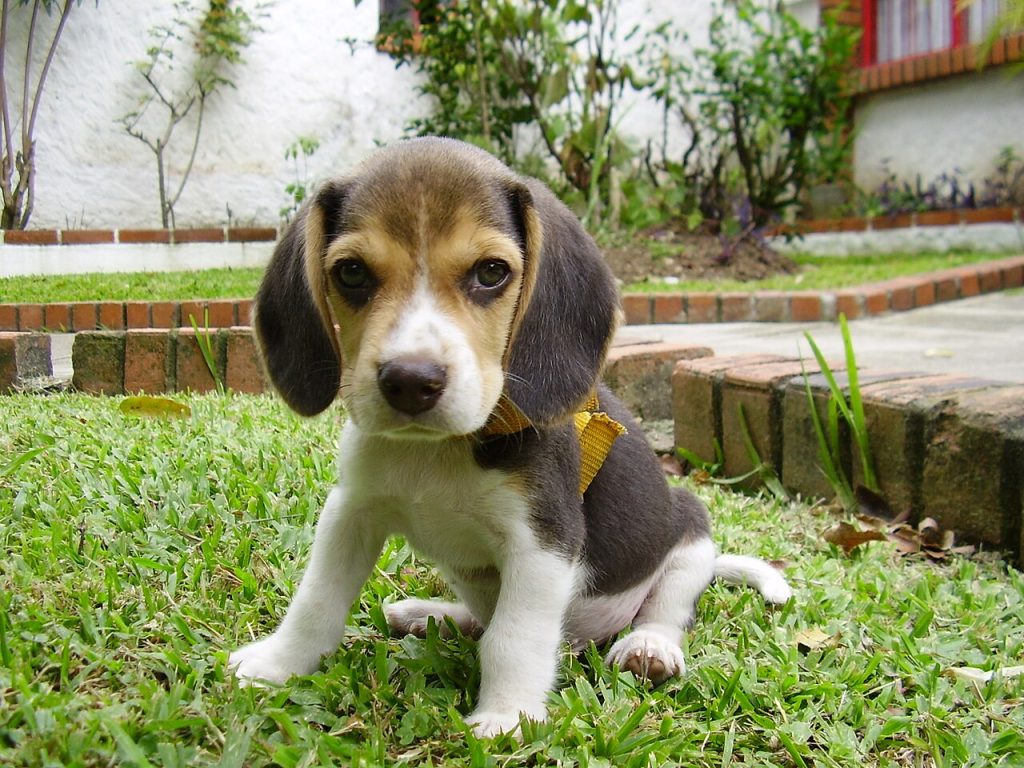
You just get home, you step on something wet, and there it is: Another pond. If your puppy pees in the house. one day yes and another too, breathe: He’s not a dirty dog and he’s not challenging you. She just doesn’t know where you want her to take a leak yet, and her body doesn’t allow her to hold out much longer. The good news is that teaching a puppy to defecate outside is one of the most predictable parts of dog training: With routine, supervision, and positive reinforcement, the vast majority learn it in a matter of weeks. In this guide we tell you the complete method, step by step and without myths.
When to start and how long to really start
The short answer is: from day one that puppy steps on your house. You don’t have to wait for it to “mature” or finish its vaccinations to start building the habit (if your vet advises you not to step on the street yet, you can use a garden area, terrace or a fixed spot with a soak as an intermediate step). Every day without routine is a day when the puppy practices exactly what you don’t want: Relieve yourself on your carpet.
Of course, it adjusts expectations. Puppies do not have full voluntary sphincter control until about 16 weeks of age. Before that, when they feel like it, they go; it’s not disobedience, it’s physiology. With a consistent plan, most puppies start to “get the idea” in 2 to 4 weeks, although full reliability takes longer: Many educators and vets don ‘t consider a dog fully educated until it has accumulated between 8 and 12 consecutive weeks without any accidents. There will be occasional relapses, and they’re normal.
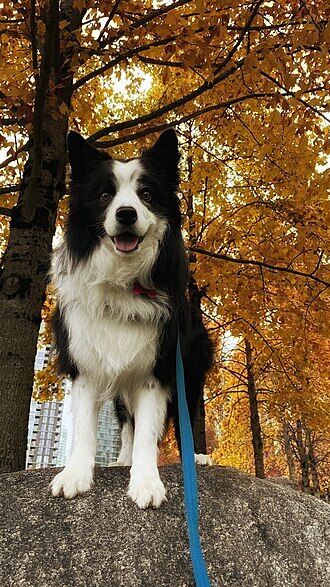
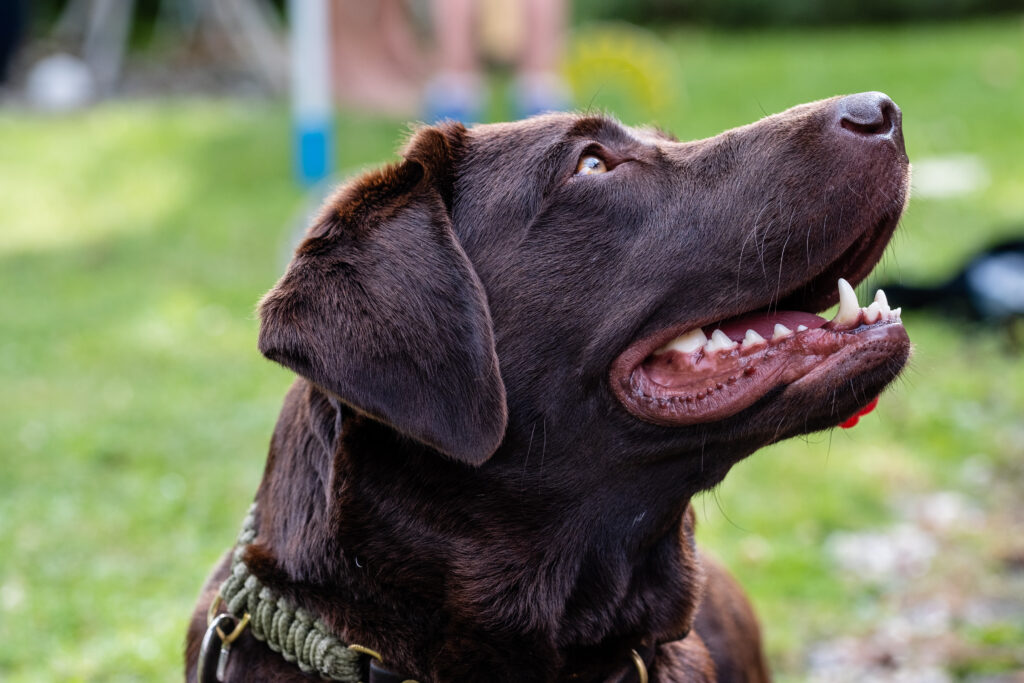
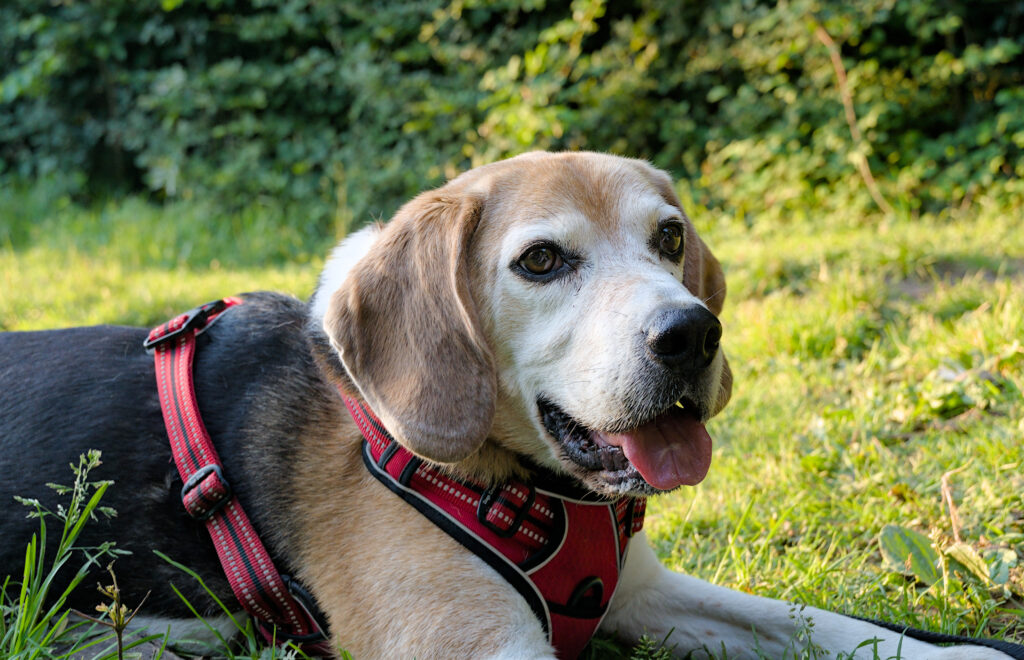
The speed also depends on the individual and you. A Border Collie or a Labrador Retriever, very human-oriented and food-motivated, tend to move fast if you’re consistent. A hound like the Beagle can get lost with every scent in the park and need slightly longer outings to “concentrate”. No race is impossible: change the pace, not the method.
How many hours does a puppy’s bladder last?
There is a guideline rule widely used by trainers and canine clubs such as the AKC: the age of the puppy in months + 1 = maximum hours that can stand without peeing in quiet conditions (e.g., sleeping or resting).
| Age of the puppy | Approximate maximum hold | Recommended departures |
|---|---|---|
| 2 months (8 weeks) | 2-3 hours | Every 1-2 hours I wake up + after eating, sleeping and playing |
| 3 months | 3-4 hours | Every 2 hours awake + key moments |
| 4 months | 4-5 hours | 6-8 departures a day |
| 6 months | About six hours . | 4-6 departures a day |
| Young adult | 6 to 8 hours | 3-4 walks a day |
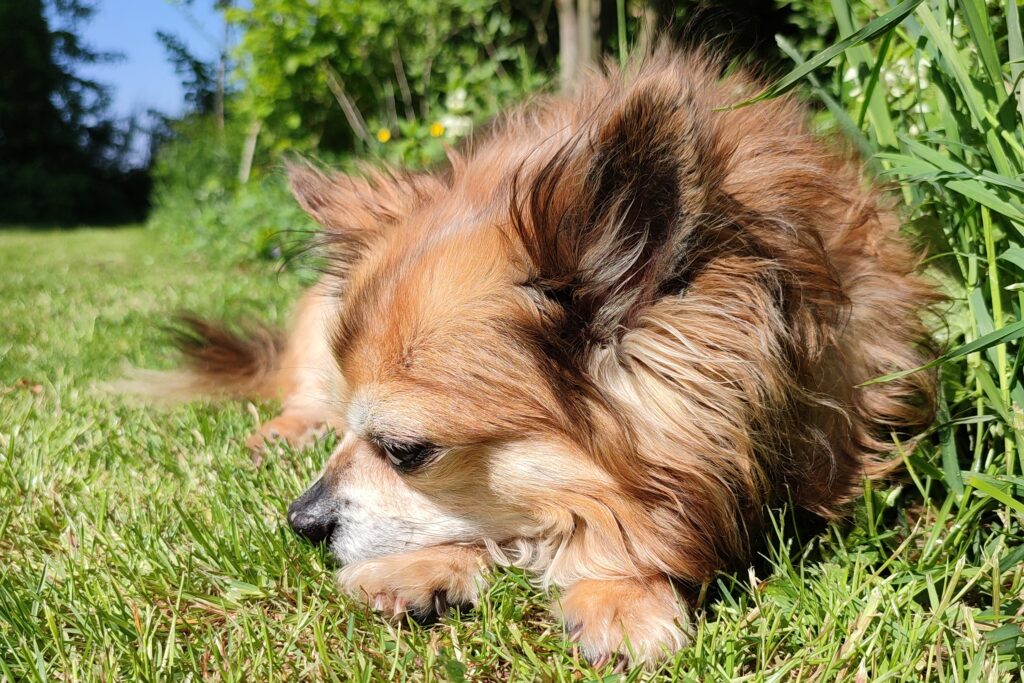
It’s a guideline, not a promise: every puppy is a world, and very small breeds like the Chihuahua or the Yorkshire Terrier have tiny bladders and fast metabolism, so they usually need more frequent outings than the chart suggests.
The step-by-step method that works
The secret is no magic trick: it’s prevent mistakes on the inside and reward successes on the outside, many times in a row.
- Set meal times. Feed him 3-4 times a day at fixed times and remove the bowl every 15-20 minutes.
- Take it out at key moments. No more waking up (in the morning and after each nap), between 5 and 30 minutes after eating or drinking, after each hour of intense play and just before bedtime.
- He always goes to the same place. Choose a specific corner (a patio, a tree, a quiet corner) and take him on a leash directly there, without a previous ride.
- Add a key word. While you’re defecating, calmly say something like “pee” or “do it”. Over the weeks, that word will become a signal that speeds up the process, very useful when traveling or in the rain.
- Prize in the second straight. As soon as you finish (not when you get home), party: cheerful compliment and a tasty little prize to carry in your pocket. The reward should arrive immediately after and in the same place; if you give it to him when you enter the house, you will be rewarding “entering the house”, not “pissing outside”.
- After success, extra prize: game or ride. If all you do is pee, you put it in the house, it’ll learn to hold on to lengthen the exit. Do the opposite: first needs, then walk or play.
- Inside the house, full oversight. During the learning period, the puppy should be where you can see it. Close doors, use baby barriers or strap you in with a leash if necessary. Every “hidden” pee in the hallway is a rehearsal of the wrong habit.
- Use a small rest area when you can’t watch. A sleeping carrier takes advantage of the dog’s natural instinct not to mess up where it sleeps.
Signs you need to get out now.
Puppies almost always warn; the problem is that their warnings last for seconds.
- He smells the ground intensely and in circles.
- He’s twirling around, or he’s starting to crouch.
- He’s suddenly heading for an area where he’s already had an accident.
- He groans, scratches the door or looks at you restlessly for no apparent reason.
- Stop playing punch and move away from the group.
If you see any of these signs, don’t ask and don’t hesitate: pick it up or take it out immediately, and reward it if it ends up in the right place.
Puppy peeing at home: what to do and what not to do
It’s going to happen. Even if you do everything right, some puddle will fall. What you do at that moment makes the difference between going forward or going backwards for weeks.
If you catch him in the act
Interrupt him without scaring him: a gentle pat or a cheerful “eh, out!” pick him up and take him to his area of need. If he ends up there, reward him as if nothing had happened. The goal is to redirect, not to terrorize.
If you find the puddle later
Don’t do anything to the puppy. I don’t know. Dogs don’t connect a scolding to something they did minutes or hours earlier; they just learn that sometimes you get angry unpredictably. And of course, never rub his nose.: Veterinarians have been warning for decades that this “technique” only teaches the dog to be afraid and to hide to defecate (behind the sofa, in another room, etc.), which makes training very difficult.
Cleans with enzyme cleaner
Bleach or ammonia do not remove the odor molecules that the dog’s scent does detect (ammonia, in fact, smells “pee” to them and can lure them back). It uses a specific enzyme cleaner for pets, which breaks down the compounds in the urine and erases the “this is the bathroom” signal.
Common Mistakes That Delay Learning
- Punish accidents. doesn’t speed anything up and creates dogs that hide to pee.
- Giving up the battle too soon. Two weeks without accidents is not a well-behaved dog; it’s a well-managed dog.
- Being irregular with schedules. Eating early, going out when “it suits you”… The puppy learns from patterns; without pattern there is no learning.
- Pressing late. If the prize comes when you come home, you haven’t rewarded the pee outside.
- Going home as soon as it’s over. teaches the puppy to hold on to extend the walk.
- Leave water and food available all night in the middle of the learning phase: it is difficult to predict when you will need to go outside (consult your vet before restricting water; in very young puppies or in heat it is not always appropriate).
- Demanding more endurance than his age allows. Check the chart: physiology is non-negotiable.
Special cases: floors, small races and soakers
If you live on a high floor without an elevator or your puppy can’t walk down the street yet, the other, of circular cross-section can be a reasonable intermediate step: Always place them in the same spot, reward their use as you would reward peeing on the street, and when you hit the transition, you move the soaker toward the door and then onto the street gradually. Take into account the toll: You teach the puppy that peeing indoors is “sometimes okay”, so the transition may be a little slower. If you can skip the soakers and go straight to the street, that’s even better.
With mini races like the Pomerania, the Chihuahua or the Yorkshire, weapon extra patience: Between their tiny bladder, their size (a small hole behind a curtain goes unnoticed and “counts” as a test of bad habit) and the cold that some experience in winter, the accident statistics are usually higher. It’s not that they’re any less clever. It’s purely logistics. More outings, more supervision and, if necessary, a coat so that going out in the cold isn’t a bad drink.
When to see the veterinarian
Most accidents are learned, but there are medical exceptions that should be ruled out.
- Urinating many times in small amounts, with effort or with blood (possible urinary tract infection, common in puppies).
- He drinks and urinates way more than usual.
- A dog that was already perfectly polite he ‘s peeing inside again . all of a sudden.
- He pees in his sleep or drips without realizing it.
- Frequent diarrhea that keeps him from holding out.
There is also urination by submission or emotion: puppies that urinate a little when you greet them or when you scold them. It is not a problem of education but of emotion; it is handled with calm greetings, bending over to the side and without scolding, and usually disappears with maturity. If it persists, comment positively with your veterinarian or an educator.
Frequently Asked Questions
How long does it take a puppy to learn to defecate outside?
With a consistent method, most start to understand it in 2-4 weeks, but full reliability comes later: it is usually considered a well-behaved dog when it spends 8-12 weeks in a row without accidents.
Should I punish my puppy if he pees in the house?
No. Punishments (crying, rubbing your nose) don’t teach you where to pee: they teach you to hide to pee and to be afraid. If you catch him in the act, gently interrupt him and take him outside; if you’re late, clean with enzyme cleaner and adjust supervision.
At what age does a puppy control his bladder?
Reasonable voluntary control comes around 16 weeks of age. As a guideline, a puppy lasts at most months plus an hour (a puppy of 3 months, about 4 hours at rest), and much less if he is awake and active.
Why is my puppy peeing in the house right after the walk?
It usually happens because there are too many stimuli on the street and you don’t get to empty completely, or because you’ve learned that peeing ends the walk.
Are soakers used to educate a puppy?
They serve as an intermediate step if you can’t go outside (incomplete vaccinations, floor without elevator, impossible schedules), but they teach that peeing indoors is sometimes allowed, so the transition to the street can be slower.
My adult dog has peed inside again, what do I do?
First, a veterinarian. In an already trained dog, sudden accidents point to medical causes (urinary infection, kidney problems, incontinence) or major stress changes. Health is dismissed, puppy protocol is resumed a few days: supervision, frequent outings and rewards outside.