Basic commands for your dog: sit, stand still and watch step by step
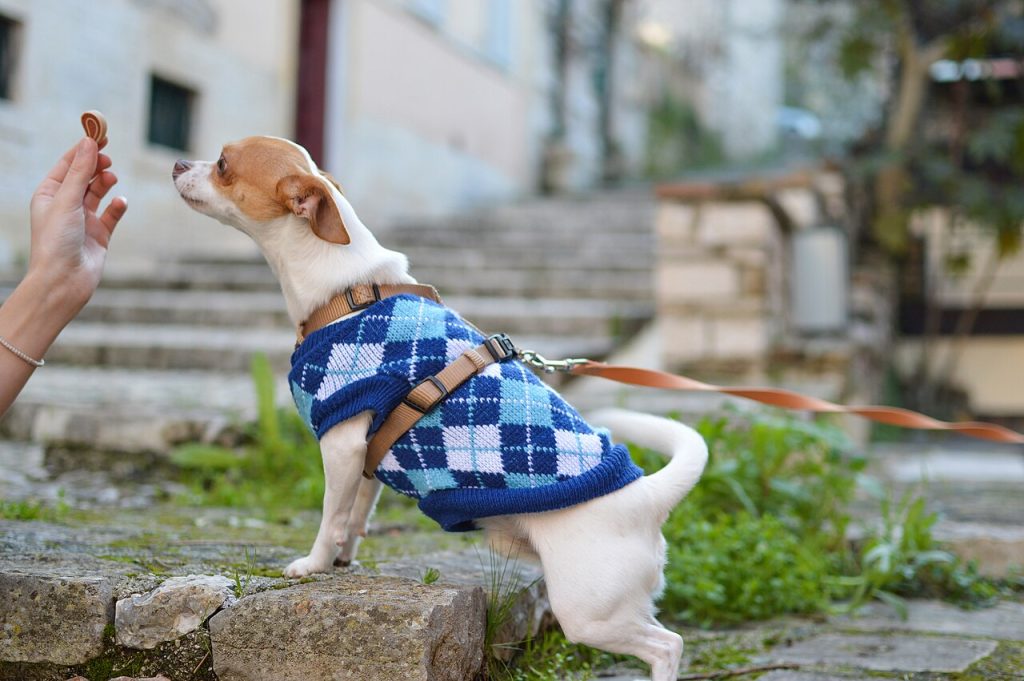
Teaching the basic commands to your dog is not a whim of a trainer: It is the basis of their security and your coexistence. A dog that sits when you ask, that waits quietly at an open door, and that comes right back when you call is a dog that can enjoy more freedom with less risk. And the good news is, you don’t need any prior experience or expensive equipment: Just small prizes, short sessions and a clear method. In this guide, I explain step-by-step and according to guidelines recommended by organizations such as the American Kennel Club (AKC) and behavioral veterinary services, how to teach “sit”, “stand still”, and “come”.
Before we get started: the golden rules of basic commands for your dog
It doesn’t matter if you have a two-month-old puppy or an adopted adult: The modern training method is based on the positive reinforcement. You reward what you want to be repeated (with food, play or caresses) and ignore or redirect what you don’t want. It is the path supported by major associations of veterinary behaviorists, such as the AVSAB (American Veterinary Society of Animal Behavior), because it works, it does not damage the bond, and it does not generate fear or aggression, which can happen with physical punishment or corrective collars.
- Short sessions: between 3 and 5 minutes per session, two or three times a day, perform much more than half an hour in a row.
- If you use your own feed at home, save the “luxury” prizes (cooked chicken, sausage) for tough exercises and the street.
- One collector of orders: decides in the family which word you will use for each command (“sit”, “quiet”, “come”) and do not change them.
- It starts with no distractions: first in the living room, then in the hallway, then in the garden or portal, and only at the end in the park.
- It always ends on a positive note: closes each session with an exercise your dog already masters and a little party.
A previous trick that almost no one teaches and that the AKC recommends before “quiet”: choose a word of release(“okay”, “free”, “already”) that will mean “exercise is over, you can move”. We will use it constantly.
How to Teach “Feel” Step by Step
“Sit” is the easiest command and the gateway to all the others: a sitting dog does not jump over visits, does not shoot out the door and is ready to work the “still”.
- With your dog standing in front of you, you bring a prize up to his nose without him taking it.
- Move your hand slowly up and back, over your head, towards your tail.
- At the exact moment his butt touches the ground, say “OK!” and give him the prize.
- Repeat 5-8 times per session. When you do it fluently, do the same gesture with the empty hand and press from the other hand.
- When you respond reliably to the gesture, add the word: say “sit” just before you signal with your hand.
Importante: Never push your dog’s crotch down to “help” him. In addition to confusing him, it can be intimidating or even physically annoying to him. If your dog backs away instead of sitting, practice with a wall behind him.
Alternative: the method of capture
If your dog is one of those who constantly feels lonely, take advantage of it: every time he sits on his own initiative, mark with a “good!” and reward. In a few days he will offer the “feel” by looking at your face, and then you just have to give him a name. It is a slow but very solid method, ideal for dogs who are suspicious of hands.
How to Teach “Quiet” Step by Step
“Still” is pure self-control and it’s built on “feel”. The key that almost everyone skips: the exercise doesn’t end when you walk away, but when you say the word of release. Work the three difficulties separately – duration, distance and distraction– and go up just one at a time.
- Ask for a “sit”. With the dog seated, show your palm as a stop sign and say “stop”.
- Wait just a second or two, press without him getting up and release with your word (“okay!”) encouraging him to move.
- Repeat, increasing the duration very gradually: 2, 4, 6, 10 seconds… If he gets up early, do not yell at him: there is simply no prize, and in the next repetition make it easier.
- When it lasts about 10-15 seconds, it starts with the distance: say “stop”, it gives just one step . back, back, press and release.
- Only when the duration and distance are solid at home, add distractions: another room, the garden, the quiet street, the park. Each time you change the setting, lower the level of demand and gradually raise it again.
A good, realistic goal for a pet dog: a 30-second “quiet” with you five to six feet away and moderate distractions. That already solves 95 percent of your everyday situations: opening the car door, crossing a portal, picking up something that has fallen to the ground.
How to Teach “Come” Step by Step
The call is the most important command of all because it can save his life.: a dog that goes first can avoid a road, a dog in conflict or a poisoned stray.
- Start at home, in a quiet room. Say his name, and when he looks at you, say “come” in a cheerful voice as you step back a few steps: the movement invites him to follow you.
- When he gets to you, he throws a party… several awards in a row, high-pitched voice, caresses.
- Go increase the distance inside the house: call him from another room, play ping-pong between two people calling him in turns and rewarding each arrival.
- Go outside with a 5 to 10 metres long strap: it gives you security without slowing down the exercise.
- Do not release your dog into open areas until the call is reliable with a long leash and real distractions (other dogs, people, smells).
Two golden rules repeated by both the AKC and behavioural veterinarians: you never scold him when he comes., even if you’re late or you’re just coming to do a stunt – if coming has negative consequences, you’ll stop coming – and don’t burn the word.: if you repeat it ten times without result, “come” becomes “background noise”. If you think he’s not going to respond, don’t say it; approach him yourself or use a funny sound to attract him.
Also, avoid calling him only for “bad” things (leash him out of the park, bathe him, lock him up), call him many times to reward and keep playing, and occasionally to finish.
Summary of the training plan
Each dog has its own rhythm, but this chart serves as a guideline for the first few weeks:
| Order | Main method | Typical time to reliability at home | The Key to Success |
|---|---|---|---|
| Have a seat. | Luring (guided with prize) | 3-7 days | Set the exact time and remove the bait soon. |
| Quietly | Duration → distance → distraction | 2 to 4 weeks | Word of release and climb only one difficulty at a time |
| Come with me. | Play + party on arrival | Weeks to months (external reliability) | Never quarrel on arrival; long strap before releasing |
Remember that “reliable at home” is not “reliable in the park”: each new scenario requires reviewing the exercise from an easier level. That is not going backwards, it is generalizing, and it is part of the normal canine learning process.
Does race influence learning?
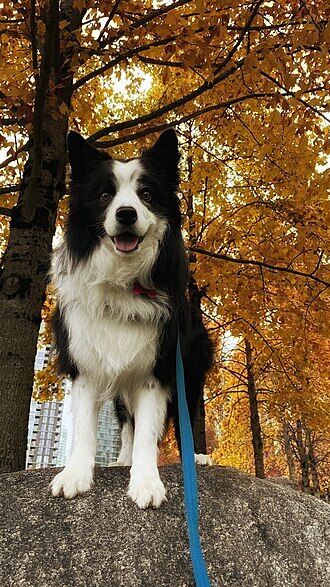
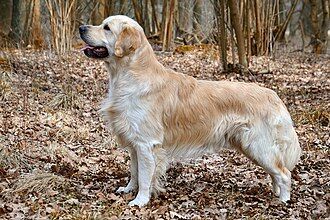
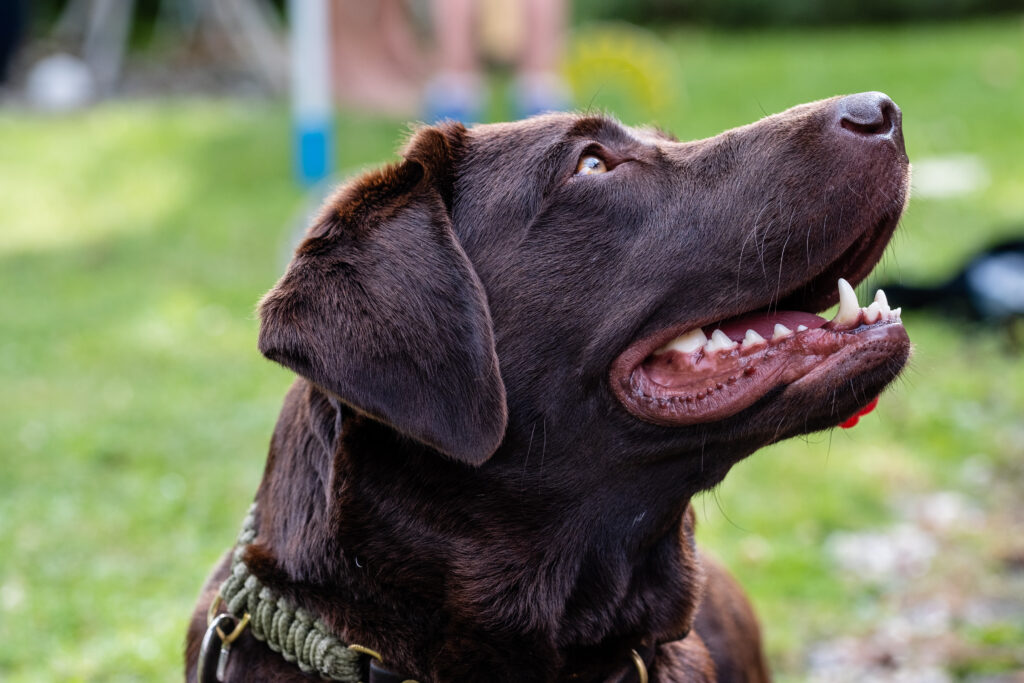
Yes, although less so than is commonly believed: The motivation and perseverance of the guide weighs more heavily than genetics. Still, adjust your expectations. Cooperative working breeds such as the Border Collie, Golden Retriever or Labrador Retriever usually get hooked on training with ease, especially if there is food or play in between. At the other extreme, more independent breeds like the Shiba Inu or highly olfactory hounds like the Beagle need higher value prizes, even shorter sessions and a lot of patience with the call: It’s not that they don’t obey, it’s that their genetics push them to decide for themselves or to follow a trail. And with dogs with strong running or prey instincts, such as the Husky Siberiano, many trainers directly recommend not releasing them into unfenced areas no matter how good their call sounds.
The practical conclusion: all breeds (and half-breeds) learn the three orders. What changes is how much each one will cost you and what rewards you will need. Adapt the plan to your specific dog, not the other way around.
Common Mistakes That Hinder Progress
- Repeat the order in loop:“sit, sit, SIT!” Say the word once; if he doesn’t respond, help him with the gesture or lower the difficulty.
- Better three four-minute sessions than one of 20.
- Punish the faults: screaming and pulling generate stress, and stress blocks learning.
- Asking too much, too soon: Going from living room to dog park with no intermediate steps guarantees failure.
- Late pressing: the prize must arrive in 1-2 seconds to associate which behavior has won it.
- Calling the dog to scold him:, the silent call destroyer.
- Train only when there are problems: orders are kept with brief reviews throughout life, integrated into the routine (sit before eating, still before crossing).
If in spite of all this your dog does not progress, shows fear or aggressive behavior, do not let it pass: consult your veterinarian to rule out pain or other medical problems, and value working with a positive canine educator or a veterinarian who specializes in behavior.
Frequently Asked Questions
At what age can I start teaching my dog basic commands?
From the time they come home, usually around 8 weeks of age, puppies learn to “sit” and start calling without any problems with very short sessions and soft rewards, and there is no age limit: an adult or senior dog also learns, sometimes even faster because it concentrates better than a puppy.
How long does it take to teach “sit”, “quiet” and “come”?
With two or three short sessions a day, most dogs provide a reliable “feel” at home in less than a week. The “quiet” usually takes 2 to 4 weeks to consolidate, and the reliable call outdoors with distractions can take months.
What do I do if my dog doesn’t obey an order?
A failure almost always means that the situation was too difficult (more distraction, more distance, or longer duration than you can handle), lower one or two difficulty levels, get several hits in a row, and gradually climb back up.
Do I need a clicker to train my dog?
The clicker is just a very precise marker, but a short, cheerful word like “good!” said always the same serves the same function: to point out the exact moment of the right behavior before giving the prize.
Are the punishment or discharge collars used to teach these commands?
Behavioral veterinary associations, such as the AVSAB, advise against aversive methods (discharges, choking, screaming) because they can generate fear, anxiety and aggression, and learn no better than with positive reinforcement.
My dog obeys at home but not on the street, why?
Because dogs don’t generalize well: for them, “sit” in the living room and “sit” in the park are different exercises. Also, on the street you compete with smells, dogs and stimuli that are much more interesting than you. Repeat the process in each new environment starting with an easy level and use more valuable rewards outdoors.