Perros en la playa: arena, sal y normas que debes conocer
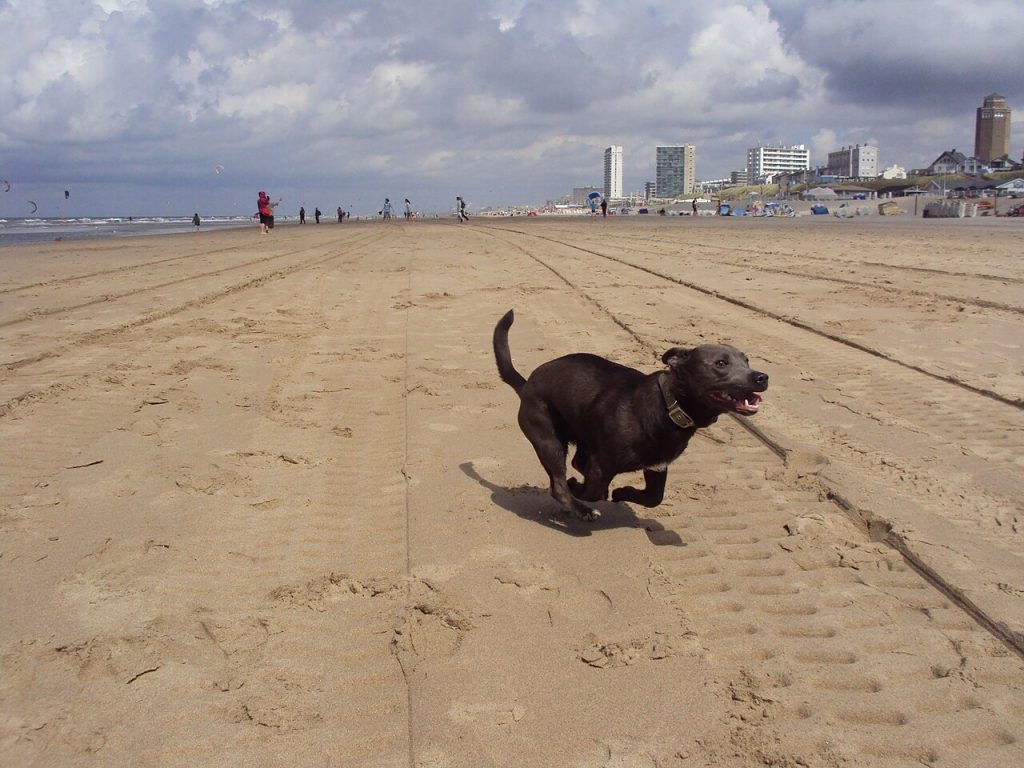
Few things make a dog happier than running along the seashore. But taking your dog on the beach is more crumbly than it looks: salt water that can poison you, burning (and sometimes eaten) sand, municipal regulations that change from town to town, and fines that can make you bitter in the summer. In this guide, we’ll tell you everything you need to know to make a day at the beach a great memory and not an emergency visit to the vet.
Rules and fines: where and when your dog can go to the beach
Let’s start with the most disgusting thing. In Spain there is no national law that regulates the access of dogs to the beaches: each municipality decides by municipal ordinance. What is legal on a beach can cost you a serious penalty five kilometers away, in the next municipality.
Even so, there are patterns that repeat throughout most of the coastline:
- Most municipalities prohibit dogs from entering conventional beaches between June and September, at least during daylight hours.
- Dog beaches: there are more and more officially sanctioned beaches for dogs throughout the year.
- Strap and bags: even on dog beaches it is usually mandatory to wear a leash on hand and collect the excrement always.
- Multas: the usual penalties range from 60 to 500 euros depending on the municipality and the infraction (improper access, not collecting feces, dog loose where not allowed), and in serious cases the ordinances contemplate up to 3,000 euros.
Practical advice: before you go, look up the ordinance on the city council’s website or call the town hall. It’s the only reliable source, because internet listings of dog beaches get outdated easily and the rules change from season to season.
Salt water – the most underestimated danger
Your dog drinking seawater is not an anecdote: it is the most common veterinary problem after a day at the beach. Excess salt drags water into the intestines, and that results first in diarrhoea and vomiting, and then in dehydration. In large quantities it can cause hypernatremia(salt poisoning), a serious condition that in extreme cases causes tremors, convulsions and even brain edema.
The tricky thing is that many dogs do not drink from the sea “on purpose”: they swallow water unintentionally while playing catch-the-ball between the waves, bite the foam, or pick up floating toys.
How to Prevent It
- Take a abundant fresh water and a portable drinker, and offer it every 15-20 minutes even if you don’t ask.
- Do game breaks: the more excited the dog is, the more water it swallows without realizing it.
- Avoid throwing toys into the water repeatedly if you see them swallow water when picked up.
- If after the beach he has mild diarrhea and it’s normal, offer him fresh water and monitor him.
Sand: burns on pads and intestinal impact
Sand has two faces. The first is thermal: dry sand can exceed 50 °C on a sunny day, a temperature capable of damaging pads within a minute. Do the classic test: put your hand on the back of the sand and hold out for 7 seconds. If you can’t, neither can your dog. Walk along the shore, where the wet sand is much cooler, and avoid the middle hours of the day.
The second side is less known and more dangerous: the impact by sand. Dogs swallow sand when digging, biting into bouncy balls, or licking food debris from the ground. If enough is found, the sand compacts in the intestine and forms an obstruction that may require hospitalization and even surgery.
Symptoms usually appear between 12 and 48 hours after a day at the beach.
| Sign behind the beach. | What it may indicate | What to do |
|---|---|---|
| Normal tiredness, sleep more | Intense day of exercise | Rest and Fresh Water |
| Mild diarrhoea occasional | Some salt water ingested | 24-hour watch, hydration |
| Repeated vomiting, marked apathy | Salt intoxication | Same day veterinarian |
| Doesn’t eat, stomach hard or sore, doesn’t defecate | Possible impact by sand | Emergency veterinarian (X-ray) |
| If you have a history of seizures, you should check your doctor for signs of seizures. | Severe hypernatremia or heat stroke | Immediate emergencies |
Simple trick: on dry sand, swaps the tennis ball (a perfect sand sponge) for discs or smooth toys that don’t catch sand, and plays search near the shore.
Sun and heat: yes, dogs get burned too
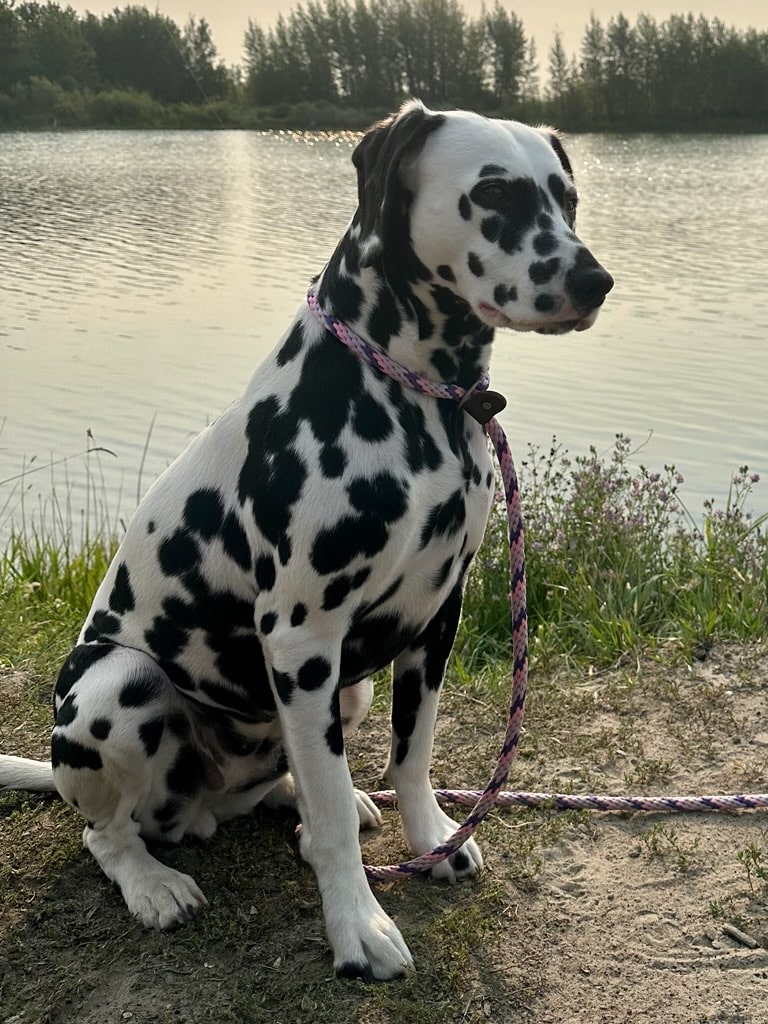
Dogs suffer from sunburn just like us, especially on the truffle, ears, belly and any area with little hair. White, short or thin coat breeds are the most vulnerable: think of a Dálmata or a Whippet lying in the sun without shade.
- Use specific sunscreen for dogs. Never apply human sunscreen on your own: many contain zinc oxide or PABA, toxic if the dog licks.
- Mount a umbrella or tent and make sure the dog has permanent shade.
- Avoid the beach in the central hours (12:00-17:00): less sun, less burning sand and less risk of heat stroke.
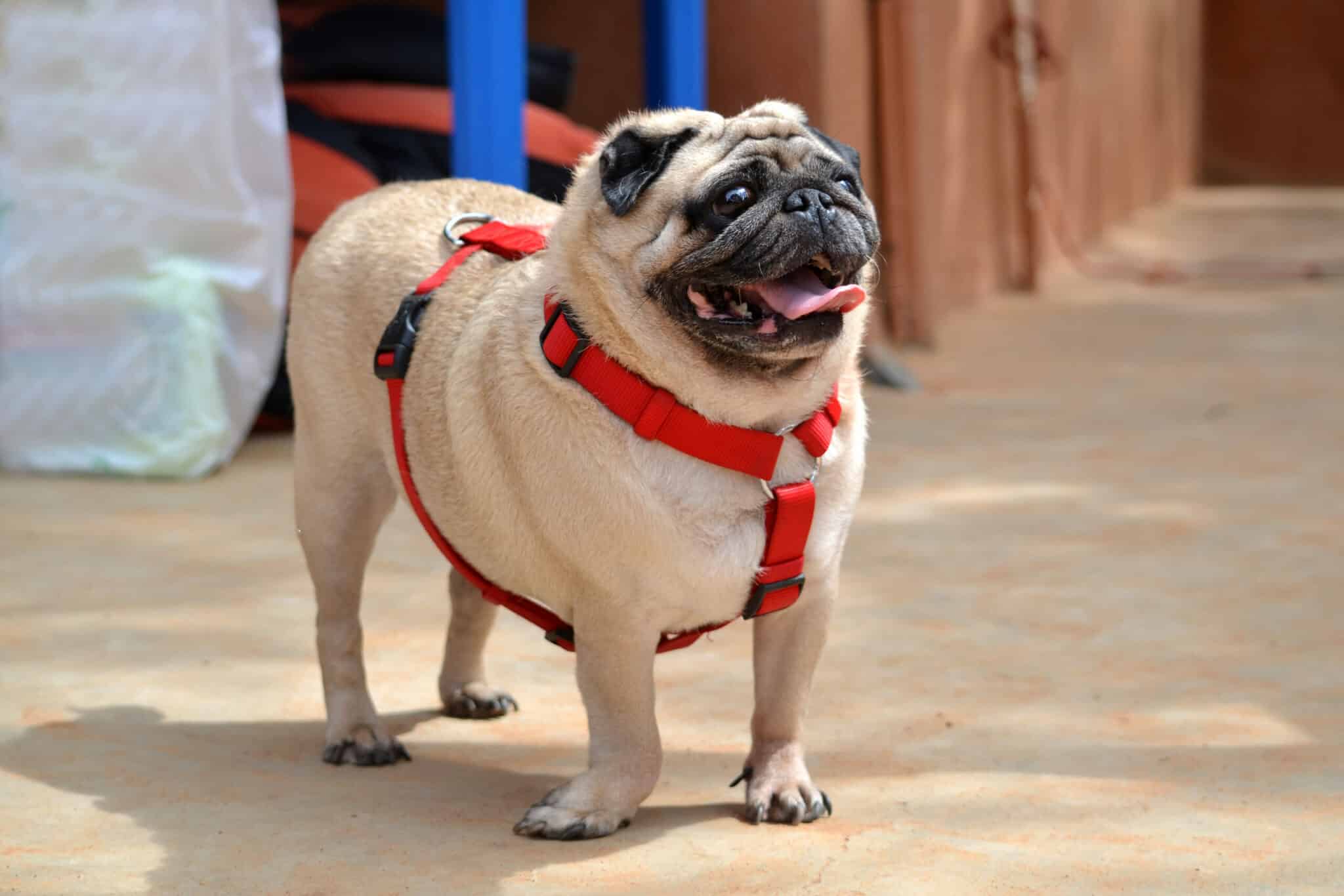
- Watch for excessive panting, very red gums or thick drooling: these are early signs of heat stroke, especially in flat-snouted breeds like the Bulldog Francés or Pug.
Safe bathing: not all dogs swim well
It’s a myth that all dogs can swim. A Labrador Retriever or Golden Retriever moves in the water like a fish, but brachycephalic breeds and those with compact bodies and short legs have it very complicated: Their forward center of gravity and short airways make them quickly exhausted and swallow water easily. A French Bulldog or a Pug can sink in seconds.
- Canine life jacket for breeds that swim poorly, older dogs or rough seas.
- You go in first. and checks currents, depth and bottom (rocks, hedgehogs, jellyfish).
- Continuous supervision: not a minute alone in the water, even if you’re a good swimmer.
- Start with short baths and let the dog decide how far he wants to get wet.
- Keep an eye on what’s on the shore: jellyfish (even stranded ones sting), dead fish, hooks and crystals are classic veterinary emergencies in the summer.
After the beach: the ritual that avoids half the problems
The salt and sand left on the mantle irritate the skin, and moisture in the ears is the perfect breeding ground for otitis, especially in dropped-ear breeds like the Cocker Spaniel.
- Wash your dog with fresh water coming out of the last bathroom and again coming home, insisting on armpits, English and belly.
- Dry your ears well with gauze (no sticks) If in the next few days you shake your head or smell bad in your ear, vet.
- Check the pads. and between the fingers: embedded sand, small cuts or redness.
- Brush the coat after drying to remove the sand that remains in the inner layer, especially in double coated dogs.
- Monitor their behavior for 48 hours: as you have seen, salt and sand problems do not always occur on the same day.
Checklist: What to take to the beach with your dog
- Plenty of fresh water (more than you think) and a portable drinker
- Umbrella or tent for permanent shade
- Dog’s own towel and mat or thick towel to insulate it from the hot sand
- Leash (mandatory on many dog beaches) and excrement bags
- Canine sunscreen if you have a light coat or unpopulated areas
- A life jacket if you’re not a good swimmer.
- Smooth toys that do not catch sand
- Basic first aid kit: physiological serum, gas and emergency veterinarian telephone in the area
Common Mistakes to Avoid
- Going without checking the city ordinance. The average penalty for trespassing is around 100-300 euros.
- No fresh water trusting you’ll have a drink by the time you get home.
- Playing ball nonstop. Excited dog = dog that swallows water and sand uncontrollably, and doesn’t notice that he’s exhausted or burning his paws.
- Letting anything from the shore go: dead fish, fermented algae and stranded jellyfish are potential emergencies.
- Trusting dogs that “know how to swim”. Exhaustion and currents do not understand races.
- Skip the rinse with fresh water. Dermatitis and otitis postplaya are most common in summer visits.
- Taking puppies without the complete vaccination schedule or older dogs in hot hours: consult your veterinarian beforehand.
Frequently Asked Questions
What do I do if my dog drinks seawater?
If it is a small amount, offer fresh fresh water and monitor it: occasional mild diarrhoea is common and usually goes away on its own; if it vomits repeatedly, is apathetic, trembles or becomes disoriented, see the veterinarian the same day: it may be salt poisoning (hypernatremia), which in severe cases is an emergency.
When can dogs go to the beach in Spain?
It depends on each municipality: there is no national law. The most common rule is the ban on conventional beaches during high season (June-September), with more permissiveness the rest of the year, and canine beaches enabled all year round.
Is it dangerous for my dog to eat sand?
Yes. If you swallow enough sand (by scratching, biting bouncing balls or licking leftover food), you may suffer an intestinal impact: the sand compacts and obstructs the intestine. Symptoms (vomiting, apathy, abdominal pain, failure to defecate) appear between 12 and 48 hours later. It is a veterinary emergency that is diagnosed with X-ray.
Do dogs need sunscreen on the beach?
Many do, especially those with a white coat, short or thin and areas with little hair (truffle, ears, belly). Always use sunscreen specifically for dogs: human creams usually contain zinc oxide or PABA, which are toxic if the dog licks.
Can all dogs swim?
No. Brachycephalic breeds (French Bulldog, Pug, English Bulldog) and heavy-bodied breeds with short legs swim poorly and can sink in seconds. For them the life jacket is not optional. Even good swimmers need constant supervision by waves and currents.
Do I have to bathe my dog after the beach?
At the very least, rinse it thoroughly with fresh water to remove salt and sand, which irritate the skin. Dry the ears thoroughly to prevent otitis (key in races of fallen ears) and check pads and spaces between the fingers.