Las 12 mejores razas de perro para dueños primerizos
Having a dog for the first time is a mixture of excitement and vertigo: you want to do it right, but you don’t know where to start. The good news is that the choice of breed makes a huge difference. There are dog breeds for beginners that make it easy for you from day one – stable, sociable and eager to learn – and others that, being wonderful, require an experience you don’t have yet.
In this guide, we’ve cross-referenced the recommendations of the American Kennel Club, the opinions of veterinarians, and the real experience of thousands of first-time owners to come up with the 12 breeds best suited to a first-time dog.
What makes a race good for beginners?
There is no “easy” dog without education, socialization, and realistic expectations. What does exist are breeds that are more forgiving of beginner mistakes. When veterinarians and dog trainers recommend dog breeds for beginners, they look at four things:
- Temperature is stable: sociable dogs, unreactive and tolerant of children, visitors and other dogs.
- You get to like: breeds selected to work with humans learn quickly and respond well to positive reinforcement.
- Reasonable exercise needs: daily walks and play that a normal family can take on, not two hours of intense sports.
- Allowable maintenance: brushing and care that does not require constant professional hairdressing or advanced health knowledge.
With those criteria on the table, let’s go with the list.
The 12 best dog breeds for beginners
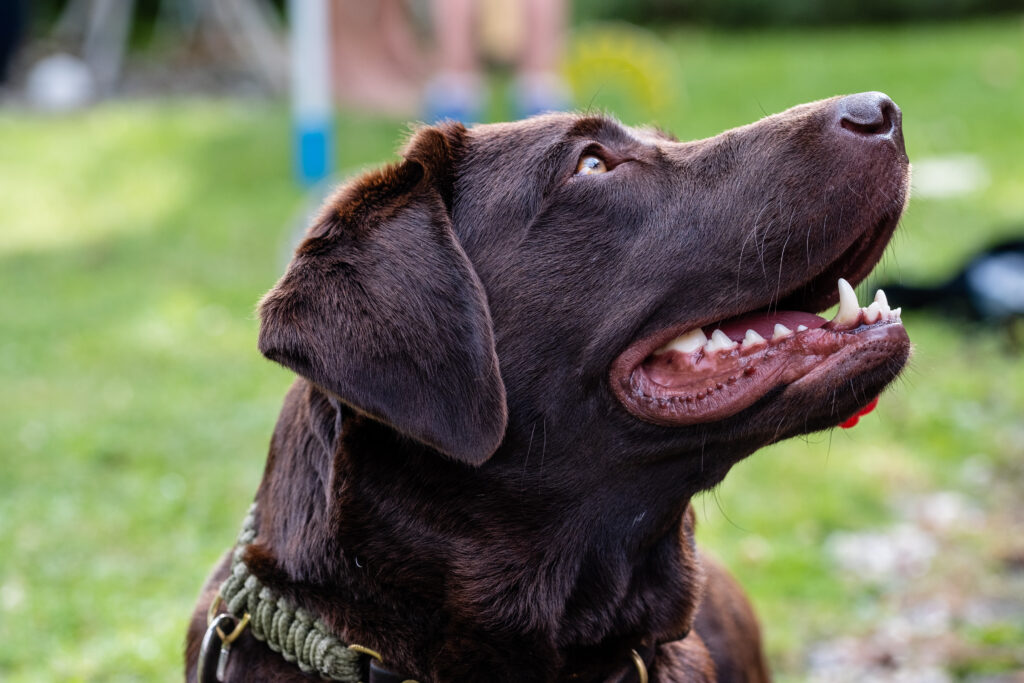
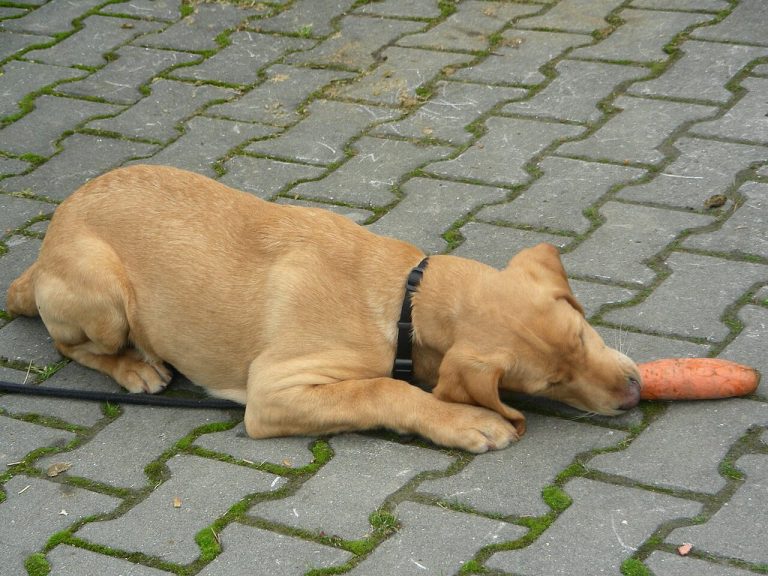
1. Labrador retriever is a breed of dog.
The classic among the classics, and for good reason. The Labrador Retriever is affectionate, patient and tremendously easy to motivate: he loves food, play and please his family, the perfect combo to learn. He needs real daily exercise (at least an hour between walks and play) and watch his weight, because he tends to eat more than the bill. If your house is active, it is almost impossible to go wrong with him.
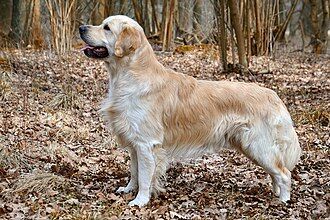
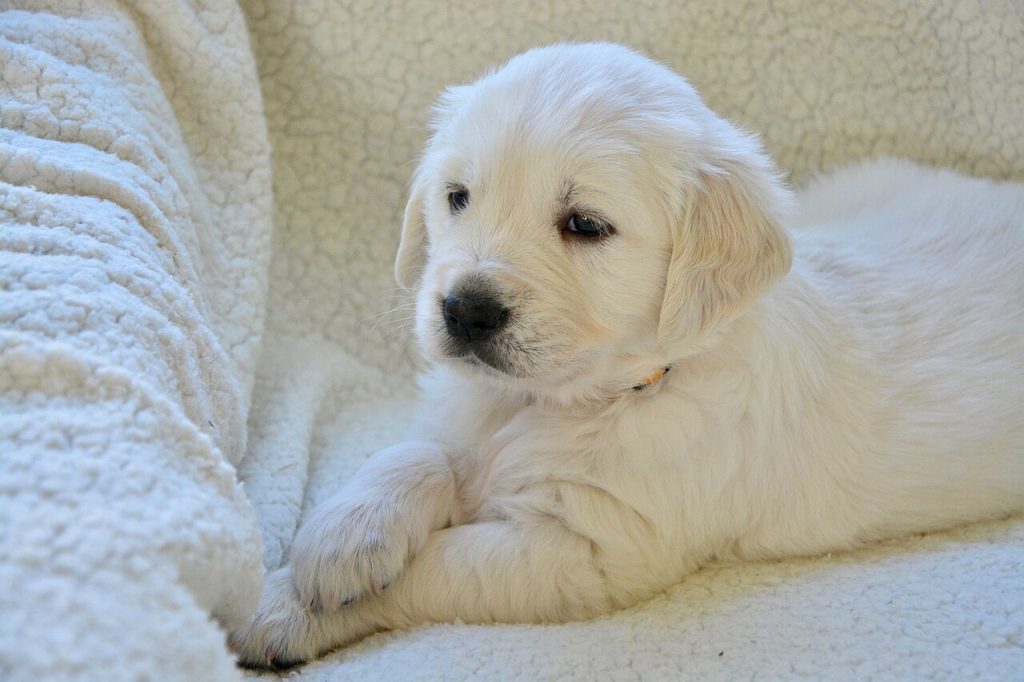
2. The Golden Retriever
If the Labrador is the enthusiastic companion, the Golden Retriever is the sweet companion. Tolerant, predictable and excellent with children, it is one of the most recommended breeds by educators for inexperienced families. In return, it asks you for two things: daily exercise and frequent brushing, because its beautiful golden coat sheds a lot of hair, especially in spring and autumn.
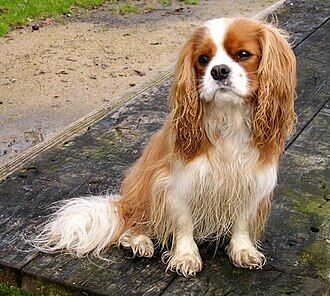
The Cavalier King Charles Spaniel
A companion dog in the most literal sense: The Cavalier King Charles Spaniel is gentle, adaptable and happy both in a small apartment and in a house with a garden. He gets along well with everyone and his walks are moderate. An honest note: the breed has a predisposition to heart problems (mitral valve disease), so choose a breeder who does health checks and don’t skip the annual veterinary checkups.
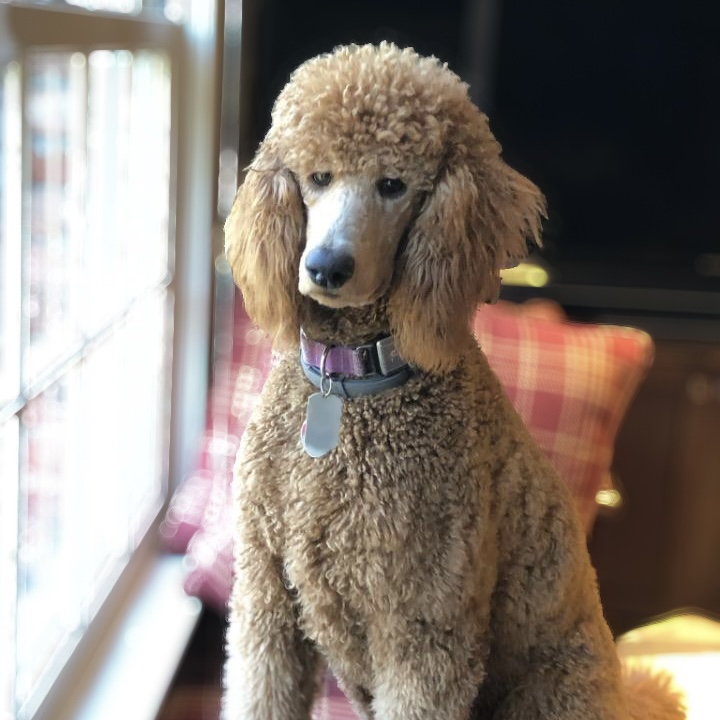
4. Poodle
Forget the topics: The Caniche is one of the most intelligent dogs in existence and learns at a speed that surprises any novice. It comes in three sizes (toy, medium and large), barely loosens hair and usually causes fewer problems for people with mild allergies, although no dog is 100% hypoallergenic. Your curl needs regular brushing and haircuts every few weeks: It’s their only “toll”.
5. The Frisian bison
Small, cheerful and with a stuffed face, the Bichón Frisé appears on almost every veterinary list for first-time owners. It is playful without being hyperactive, very sociable and adapts wonderfully to life in a flat. Like the Poodle, it sheds very little hair but needs frequent brushing and periodic hairdressing so that its white coat does not tangle.
6. Maltese bison
The Maltese is quiet, affectionate and perfectly happy with short walks and plenty of shared sofa, making it ideal for small apartments or older people.
7. Butterfly
Behind those butterfly ears is a little brain: the Butterfly is one of the smartest small dogs and excels in obedience and tricks. It is alert but not aggressive, adapts to almost any home and can burn energy playing indoors on rainy days. If you want a first small dog to train and learn with, few options outweigh it.
8. Shih Tzu
Raised for centuries exclusively for companionship, the Shih Tzu is affable, quiet and needs little exercise: gentle walks and play at home are enough for it.
9. Whippet
The surprise of the list for many. Although a natural sprinter, the Whippet at home is quiet, clean and almost feline: he sleeps most of the day and rarely barks. With a couple of good walks and some controlled sprint in a safe zone he is satisfied. His short hair hardly needs maintenance.
10. Havanese bichon
The national dog of Cuba is pure sunshine: extroverted, adaptable and with a manageable size (4-7 kg). The Habanero tolerates better than other small breeds the moments of chaotic family activity, gets along well with children and other animals, and learns easily.
11th Boxer
For those who are looking for a large, athletic and familiar first dog, the Boxer is a great gateway: patient with children, very attached to his own and with a short hair that hardly gives work. Of course, it is energetic and somewhat clownish until 2-3 years old, so it needs daily exercise and constancy in education. It is also moderate brachycephalic: beware of intense heat.
Spanish Greyhound (adopted)
We close with a very personal and highly recommended choice: adopt a Galgo Español. Thousands of greyhounds seek shelter in Spain each year and are quiet, discreet, and surprisingly lazy companions at home. The guardians know the character of each dog and will help you choose one that fits you, a valuable support when it’s your first dog. Just remember: It always leans in open areas, because its chase instinct is very strong.
Rapid comparison table
| Breed | Size | Energy | Hair care | It’s perfect for… |
|---|---|---|---|---|
| Labrador retriever | Large | High | Under (loose hair) | Active families |
| The Golden Retriever | Large | High | Average | Families with children |
| The Cavalier King Charles | Small | Average | Average | Apartments, quiet homes |
| Poodle | Big toys | Medium to high | High (hairdressing) | Almost any household |
| Frisian bison | Small | Average | High (hairdressing) | Floors, slightly allergic |
| Maltese bison | The Mini | Get down . | Medium to high | Elderly people, flats |
| Butterfly | The Mini | Average | Average | Anyone who wants to train |
| Shih Tzu | Small | Get down . | Medium (with short cut) | Quiet homes |
| Whippet | Average | Average (in bursts) | Very low. | Floors, neat people |
| Habanero bichon | Small | Average | Average | Families, living with pets |
| Boxer | Large | High | Very low. | First time athletes |
| Spanish Greyhound | Large | Get down in the house. | Very low. | Adoption, peaceful homes |
How to Choose Well – Practical Tips
Race is half the equation, the other half is you.
- Be honest with your real time. counts the hours you can spend with the dog on any Tuesday, not an ideal Sunday. If it’s less than two hours a day between walks, food and attention, rule out high-energy breeds.
- Calculate the full annual budget: quality feed, veterinary, vaccines, antiparasitics, insurance, hairdressing if you will… not a small expense, and the veterinary surprises are there.
- Think of your home and your city. A small floor does not rule out a large quiet dog (see greyhound), but it does an athlete who needs to run daily.
- He knows adult specimens of the breed. before you decide: appointments of owners, protectors, serious breeders. Puppies cheat; adults teach you how your life will be.
- He values adoption with support. A serious protector who evaluates the character of her dogs is the best ally of a first-timer: they match you with a compatible dog and accompany you afterwards.
- Sign up for positive education classes from the first month. is not an expense, it is the best investment: it educates the dog and, above all, it educates you.
Common Mistakes of First-time Owners
- Choose for aesthetics. Fall in love with a picture and discover afterwards that that lovely dog needs three hours of exercise or a fortnightly haircut.
- Underestimating the canine adolescence. Between 6 and 18 months, almost all dogs “forget” what they’ve learned.
- Skip the early socialization. The first 12-16 weeks of life mark the adult character gradual and positive exposure to people, dogs, noises and surfaces.
- No rules from day one. What you don’t want a 100-pound dog to do, you don’t laugh at a 10-pound puppy.
- Shopping on impulse and without papers. Cheap puppy houses often hide irresponsible breeding, health problems and animal suffering.
- Ignore signs of stress or pain. In the event of changes in behaviour, apathy or sudden aggression, the first visit is always to the veterinarian.
Breeds to be left for later
They ‘re not the worst dogs: They’re dogs with advanced instruction manuals. The Border Collie, brilliant but tireless, needs daily mental and physical work that outweighs most first-timers. Double-coated Nordic breeds like the Siberian Husky combine independence, flight instinct, and a lot of energy. And powerful guard breeds (Akita, Cane Corso, Rottweiler) require years of training and management experience.
Separate mention deserves very flat-snouted breeds like the French Bulldog or the Pug: They are very affectionate and very popular, but veterinary studies estimate that about half of the animals show clinical signs of brachycephalic syndrome, with respiratory problems that may require surgery and expensive care. If you fall in love with one of these breeds, check with your veterinarian before taking the step.
Frequently Asked Questions
What is the best dog breed for beginners?
There’s no one answer, because it depends on your lifestyle. For active families, the Labrador and Golden Retriever are almost sure bets; for quieter flats and lives, the Cavalier King Charles, the Frisé Bichon or the Shih Tzu are a better fit. The best breed is the one that matches your energy, your time and your space.
Is a puppy better or a full-grown dog for a first-timer?
An adult is usually easier: his character is already defined, he usually comes with learned hygiene habits and does not require constant puppy supervision. Adopting an adult evaluated by a guardian is one of the safest ways to debut as an owner.
Are small dogs always easier?
No. Size does not equate to ease: there are small breeds that are very demanding or delicate, and large dogs that are very quiet, like many greyhounds.
How much does it cost to keep a dog a year?
It depends on the size and health of the dog, but between quality food, veterinary, antiparasitic, insurance and extras, most estimates in Spain move above €1,000 a year.
What if I prefer a half-breed dog?
The key to a first-time adoption is to adopt a protector who knows the dog’s character well and can pair you up with a calm and sociable one, regardless of breed.
When should I take my first dog to the vet?
In the first week after your arrival, even if you seem healthy: general review, vaccination schedule, deworming and microchip identification, then at least an annual review, and whenever you notice changes in appetite, energy or behavior.