Walking the dog in the rain: tricks to make it less of a drama
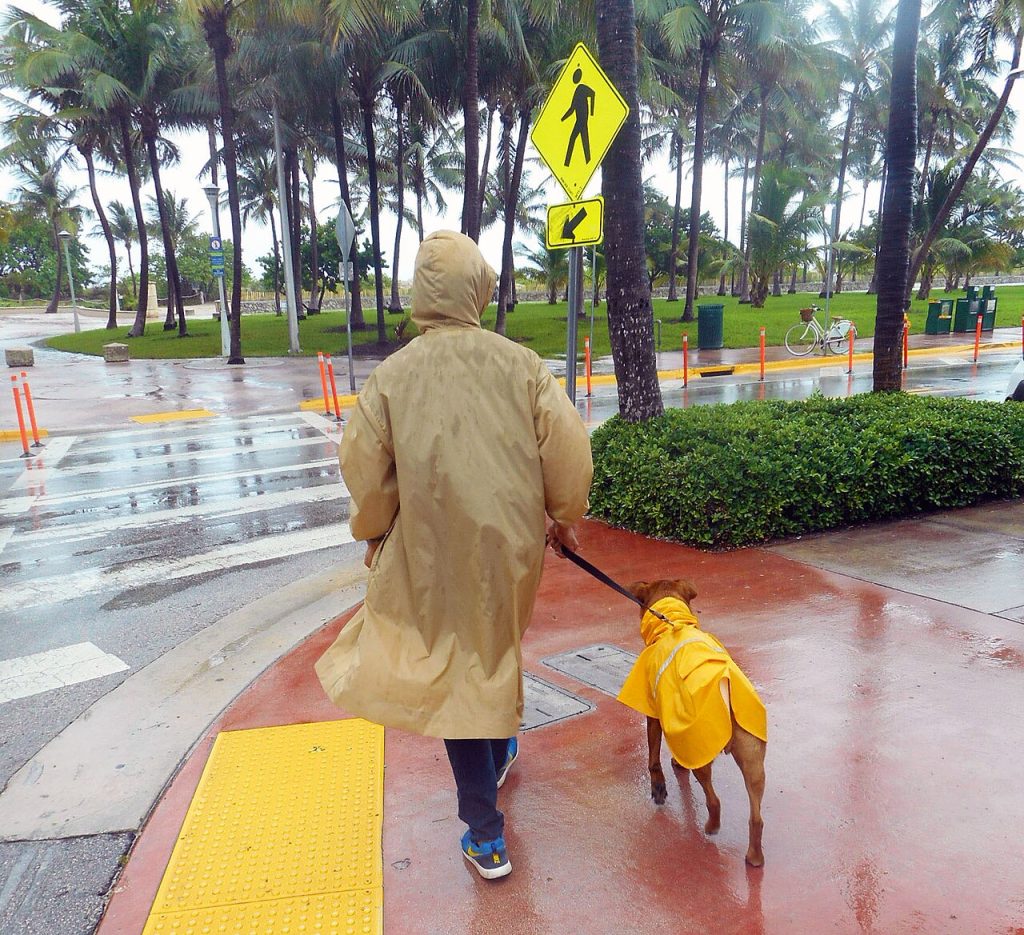
You look out the window, it’s flooding and your dog is watching you with the leash in his mouth. Sounds like you, doesn’t it? Walking the dog in the rain is one of those moments that separates motivated owners from those who fantasize about inventing teleported pee. The good news: With a little preparation, rainy days can go from drama to routine and even a fun ride. Here are some concrete tricks for equipment, safety, drying and managing fear of rain, backed up by serious veterinary sources.
Should we go out or not when it rains?
Generally, yeah. Normal rain is not dangerous for a healthy dog: getting wet doesn’t cause colds by itself. What veterinary organizations like the AVMA (American Veterinary Medical Association) do point out is that wet hair speeds up body heat loss, so a wet dog can cool down much faster than you expect, even in moderate temperatures. The problem is not the rain: It’s the combination of water, cold, wind and exposure time.
Having said that, there are dogs with which it is advisable to be more cautious and shorten or even skip the long walk if the weather is very bad:
- Puppies and older dogs, they regulate their temperature worse.
- Sick, convalescing or arthritic dogs: cold and humidity tend to worsen joint pain.
- Breeds very small or short and fine-haired, with little natural protection.
- Brachycephalic dogs, if it’s also very cold or you have to force the pace.
For the rest, the key is to adapt the walk, not suppress it. A dog not walked endures peeing, accumulates energy, and usually ends up paying for it with the couch.
How to walk the dog in the rain: prepare the walk before going out
The difference between a horrible rainy walk and a portable one is almost always decided before you open the door.
- Look at the rain radar.. Many times there are windows of 20-30 minutes with weak rainfall.
- Better two or three short, functional exits than a long one in the downpour.
- Raincoat for the dog, if it compensates.. Short-haired, small or curly-haired dogs are greatly helped; a double-coated Nordic has plenty. It covers the back and stomach, does not rub on armpits and does not prevent him from doing his toilet.
- You’re equipped too.. If you go wet and in a bad mood, the walk lasts three minutes and the dog notices it.
- Visibilidad. With rain there’s less light and drivers see worse. Necklace or harness with reflectors, and LED light if you walk at night.
- Towels prepared at the entrance. Leave them ready before you leave.
- You’re gonna need them, especially if your dog’s not too keen on the rain.
During the walk: tricks and dangers to avoid
Now the goal is to make the ride as efficient, safe and enjoyable as possible.
Practical Tricks
- Choose routes with shelter: sidewalks, dense woodland or wind sheltered areas make the walk much easier.
- If you treat rain as normal, your dog tends to imitate you.
- Many dogs learn to “solve” quickly on rainy days if they associate pee + reward + homecoming.
- Let me smell it: the rain intensifies the smells and for many dogs a wet walk is an olfactory festival.
Real Dangers to Watch Out for
- Ponds: not to drink. It’s the most cited health risk by veterinarians. Standing water may contain leptospira, a bacterium that is transmitted through the urine of infected animals (especially rodents) and can damage the kidney and liver; it is also transmissible to humans. The AVMA and CDC recommend preventing dogs from drinking or splashing in puddles and stagnant water, and evaluating the leptospirosis vaccine with your veterinarian if you live in a high-risk area.
- Lightning storm: minimum walk or postpone, with an electrical device, you don’t go out in the open, you don’t go under trees.
- Floods, drains and sewers: in heavy rain, do not go near water streams; drag a small dog with very little flow.
- Slippery surfaces: metal lids, painted zebra steps and wet sheets skating, for him and for you.
- Charcos “arcoíris”: remnants of fuel and oil float in the rain. Don’t step on them or muddy them; when you come back, clean the pads.
Homecoming: Drying matters more than you think
A good drying protocol prevents cold, bad smell, skin problems and even domestic quarrels because of the famous “shake in the middle of the living room”.
- Remember: wet hair triggers heat loss, and veterinary sources insist on thoroughly drying dogs after getting wet in rain or snow.
- Pillows and between the fingers: check and dry well; moisture retained there favors irritation and dermatitis.
- Orejas: put a towel on the outside. chronic moisture in the ear canal promotes otitis, especially in dogs with droopy ears such as the Cocker Spaniel or the Basset Hound. if the ear smells bad or scratches a lot, to the vet.
- Tempered single dryer and at a distance, if your dog tolerates it. Never too hot air stuck to the skin: it can burn. And no “bathing in too hot water to get warm”: sudden changes are not a good idea either.
- If the undercoat stays damp for days, knots, bad smell and skin problems appear.
- Turns drying into a pleasant ritual: towel + massage + prize. Many dogs end up loving this part.
Signs that your dog has become really cold: persistent tingling, lethargy, pale gums or apathetic behavior. Dry, warm and consult your veterinarian, because hypothermia in dogs is an emergency.
Not all dogs suffer from the same rain.
It’s not the same as taking a Scandinavian dog out in the rain as a seven-pound miniature companion.
| Type of dog | Examples | How they carry the rain | What they need |
|---|---|---|---|
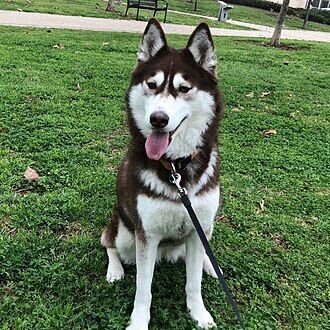
| Double dense layer | Husky Siberiano, Samoyed | Their coat is quite water-repellent and insulates them from the cold. | Thoroughly dried undercoat on return; normally unnecessary raincoat |
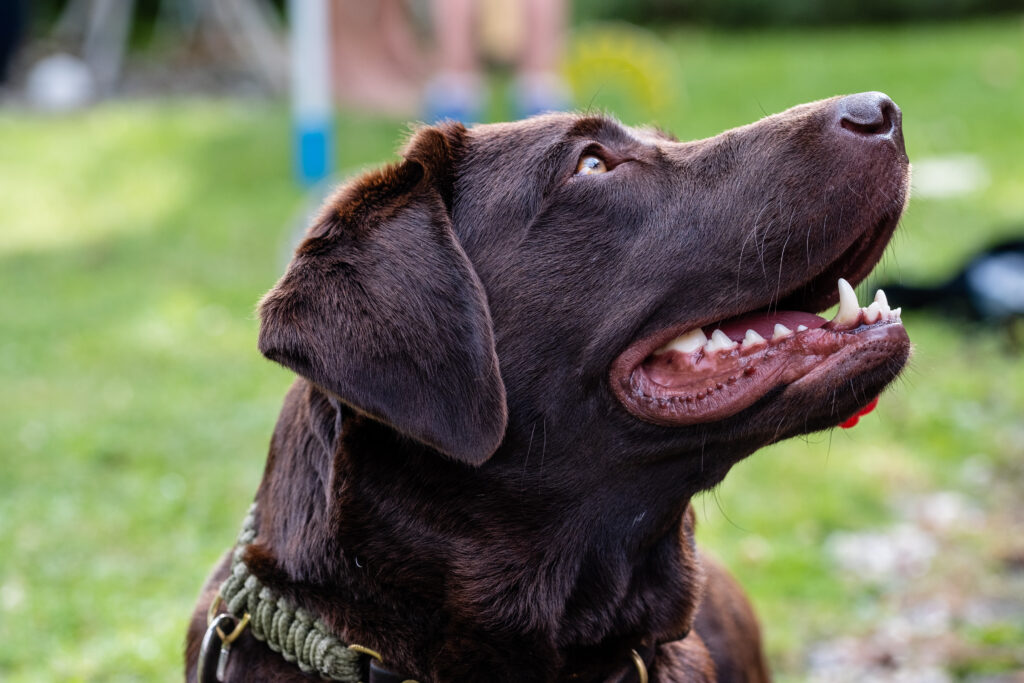
| “Water” hair repellent | Labrador Retriever | Raised to work in water; rain doesn’t matter much | Watch ears and dry well; eye with your fondness for puddles |
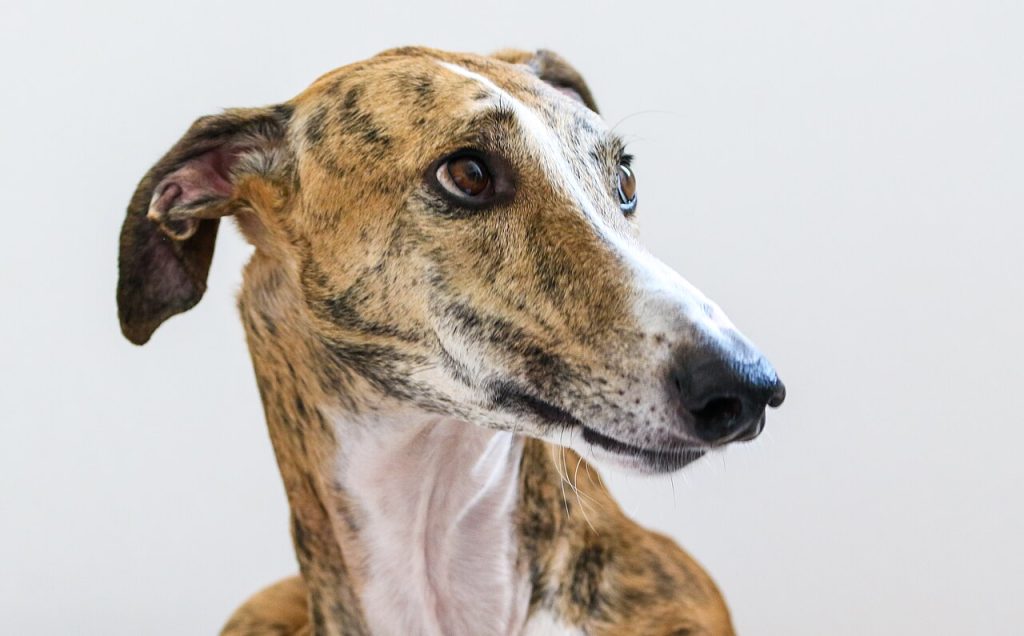
| Short hair and low fat. | Whippet, Galgo Español | They cool quickly: low coat and low body fat | Raincoat or raincoat almost mandatory in cold and rain |
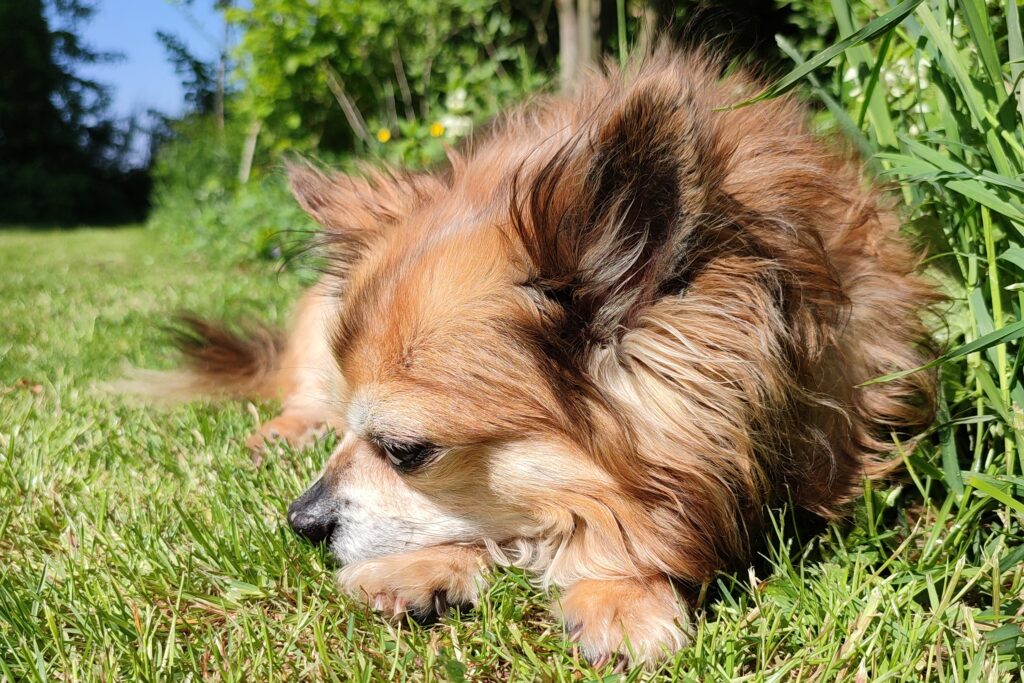
| Mini and toy | Chihuahua, Yorkshire terrier | They lose heat very quickly because of their size; many hate getting wet | Short walks, showers and immediate drying |
| Brachycephalic | Bulldog Francés | They have a poor tolerance for extremes; wet cold can irritate their airways | Short outings, quiet pace, raincoat if it’s cold |
The chart is not a list of excuses: all dogs need to go out. Use it to adjust duration, equipment and expectations.
If your dog hates the rain: step by step plan
There are dogs that stand in the gate as if the water were lava. Sometimes it is simple discomfort; others, sensitivity to noise (heavy rain, thunder) or a bad previous experience.
- A flood of stimuli tends to make fear worse.
- It starts with showers.: 5-minute exits, high-value prizes (chicken, cheese) for every quiet step underwater.
- Give him control.: if you want to stick to the sheltered facades, perfect.
- Associate the team with good things: raincoat worn at home + prize + game, a few days before its release on the street.
- With intense fear of thunder(shivering, gasping, hiding, shattering), don’t leave it at “it will pass”: noise phobia tends to get worse over time. A vet or ethologist can help with desensitization and even medication if needed.
Impossible days: alternatives at home
When the universal deluge falls and only express urination is feasible, he compensates for the lack of exercise with mental work at home:
- Olfato: hide prizes around the house or use a scented carpet.
- Interactive toys kind of Kong stuffing or food puzzles.
- Trick training: 10 minutes of “turn”, “play” or “to your place” mentally exhaust any dog.
- Structured play: pull and loosen with rules, charges for the hallway.
For high-energy dogs like a Border Collie, mental work on rainy days is not optional: it’s survival.
Common Mistakes to Avoid
- Skipping all the rides because it’s raining: the dog still needs to defecate and move.
- Let him drink from the puddles“because it has always done so”: leptospirosis exists and is serious.
- Keep it wet. in your bed or in your car: cold, bad smell, fungus and dermatitis.
- Using the dryer on high heat stuck to the skin: risk of burns.
- To shelter a double-layered Nordic because you’re too cold to look at it: too much in most cases.
- Put on a raincoat you’ve never tasted right on the day of the storm: double stress.
- Scolding him for shaking: shaking is a natural and effective mechanism for eliminating water.
- Ignore limping or footsteps after rainy days: may indicate irritation of pads or fungus between the fingers.
Frequently Asked Questions
Is it bad to walk the dog in the rain?
No, for a healthy dog the rain itself is not dangerous. The real risk is in the rapid heat loss when the hair gets wet, in stagnant water from ponds and in long exposures to cold and moisture. With suitable walks, good equipment and complete drying on return, walking in the rain is perfectly safe.
Do dogs get colds from getting wet?
Wetness alone does not cause a “cold”, but prolonged exposure to cold and moisture can cause irritation of the respiratory tract and lower local defenses, especially in puppies, older dogs, or sick dogs.
Why is it dangerous for my dog to drink from the ponds?
Because stagnant water can contain leptospirosis, a bacterium that spreads through the urine of infected animals and can cause serious damage to the kidneys and liver. There may also be residues of oil, fuel, or chemicals washed away by the rain. Take clean water with you if the walk is long and ask your veterinarian for the leptospirosis vaccine.
Does my dog need a raincoat?
It depends on the dog. Small, short-haired, thin breeds (such as greyhounds and whippets), puppies and older dogs help a lot. Dogs with dense double coats, such as huskies or Samoyeds, usually don’t need it.
How do I dry my dog after a walk in the rain?
With a towel and as soon as possible: back, chest, belly, legs (including between the fingers) and the outer part of the ears. If you use a dryer, only warm air and at a distance. In double-coated dogs make sure that the undercoat remains dry. Avoid very hot water or direct strong heat: they can burn or cause sudden temperature changes.
What do I do if my dog refuses to come out when it rains?
Do not force it to get wet. Start with very short outings in the rain, reward each advance with high-value food, choose protected routes, and let it resolve its needs quickly. If the fear is intense or associated with thunder, consult your veterinarian or an ethologist: noise phobias tend to worsen if left untreated.