Tipos de cepillos para perros: cuál necesita tu peludo
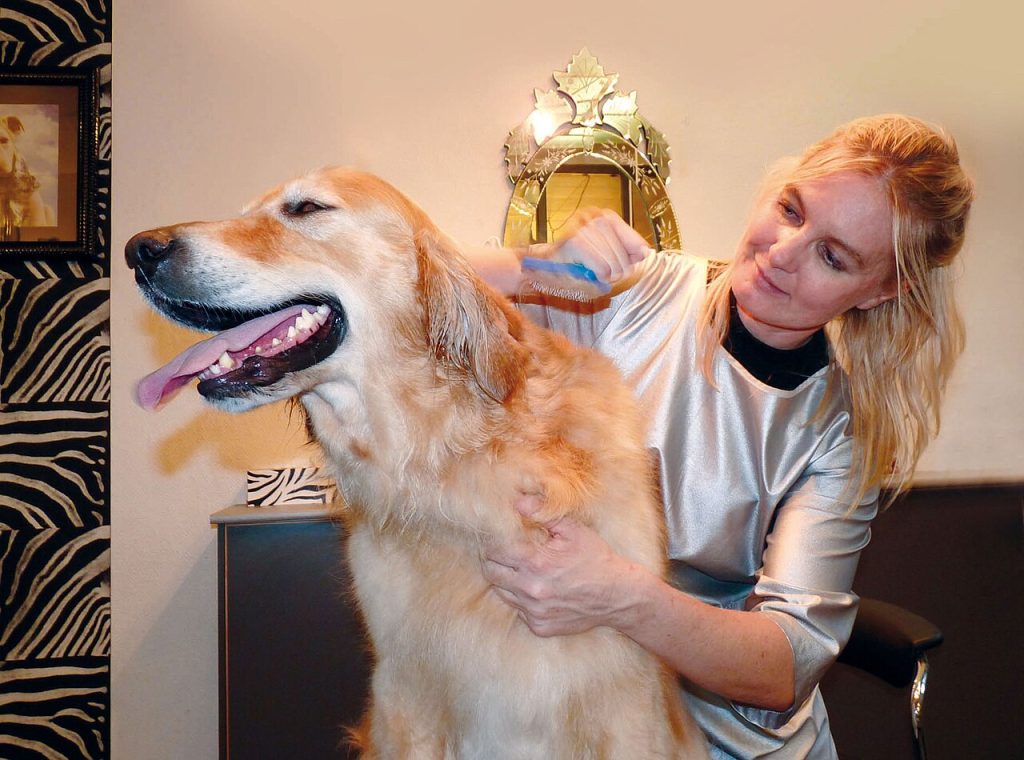
You walk into a pet store for a brush and you find a whole wall: cards, rakes, cuffs, combs, “magic” tools against the mole… And they all promise the same thing. The reality is both simpler and more uncomfortable: There’s no such thing as a universal brush. brushes for dogs s are chosen based on your furry pet’s coat type, and wearing the wrong one can irritate his skin, break his hair, or simply be useless. In this guide, we explain the types that exist, which one your dog needs depending on its coat, and how to use it without harming it.
Types of dog brushes and what each is for
Before you buy anything, it’s a good idea to understand what each tool does.
Card or slicker brush
According to the American Kennel Club (AKC), it is the most versatile tool: it works on medium, long, hard and curly coats, undoes small knots and removes a lot of dead hair, also from the undercoat.
Key of use: minimal pressure. The spines are thin and, if you squeeze, you scratch the skin (the dreaded “slicker burn” of canine hair salons). Let the weight of the brush do the work. If you can, choose a self-cleaning card: with a button retract the spines and release the accumulated hair, a detail you will appreciate in moulting season.
Manufacture in which all the materials used are classified within a heading other than that of the product
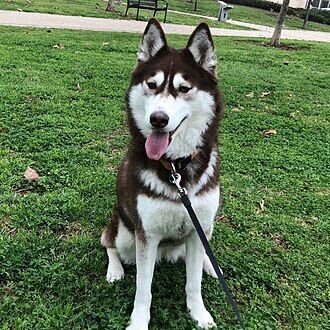
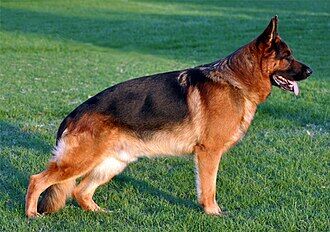
It looks like a small garden rake with long, separate metal teeth. It is designed to reach up to the inner layer of double coated breeds like the Husky Siberiano or Pastor Alemán, and drag the dead undercoat without damaging the outer layer.
Key of use: the length of the teeth must match the length of the mantle. Too short teeth do not reach the subcoat; too long can scratch the skin.
Other, of circular cross-section, of circular cross-section
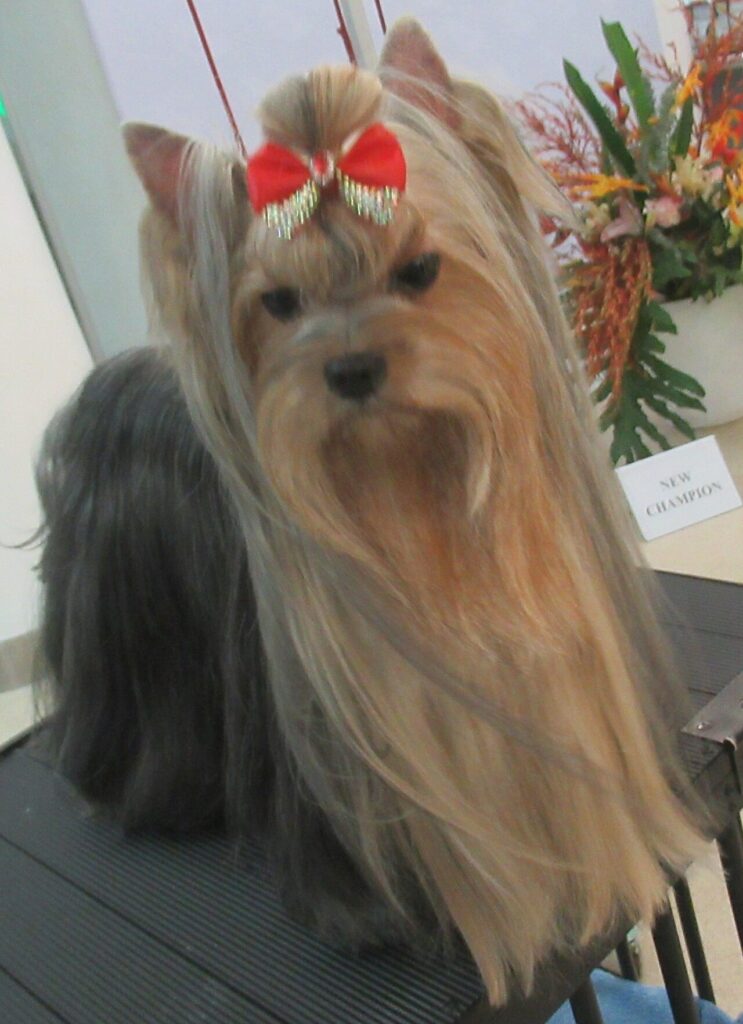
It resembles a human brush: spaced metal spikes, usually with rounded plastic or rubber tips so as not to scratch. It is the finishing brush par excellence for long, silky mantles such as the Yorkshire Terrier: it smooths, hollows and removes surface dirt.
Bristle brush
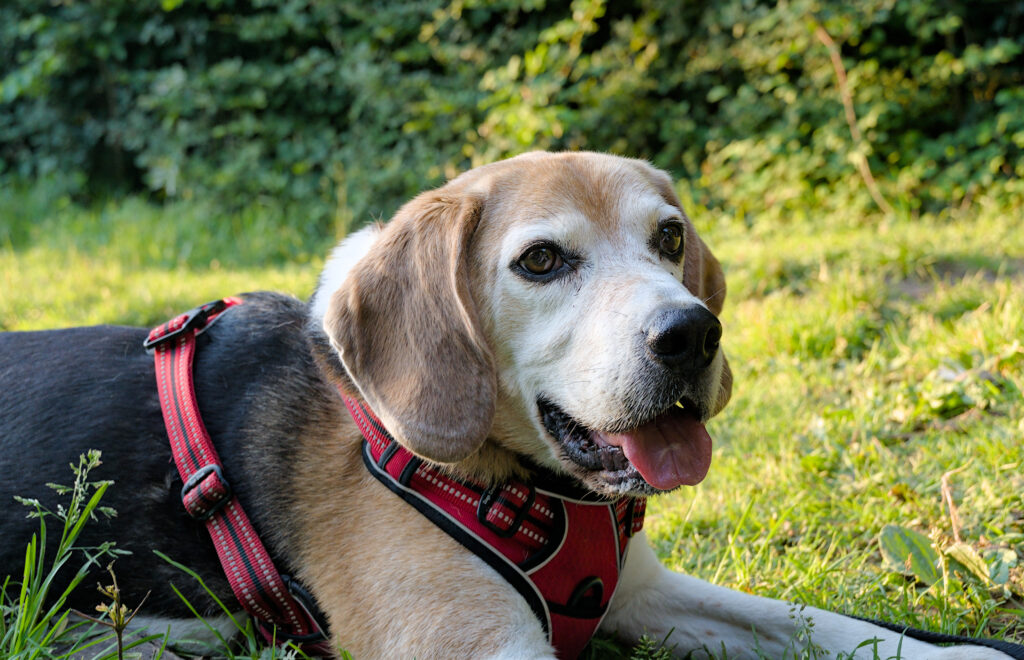
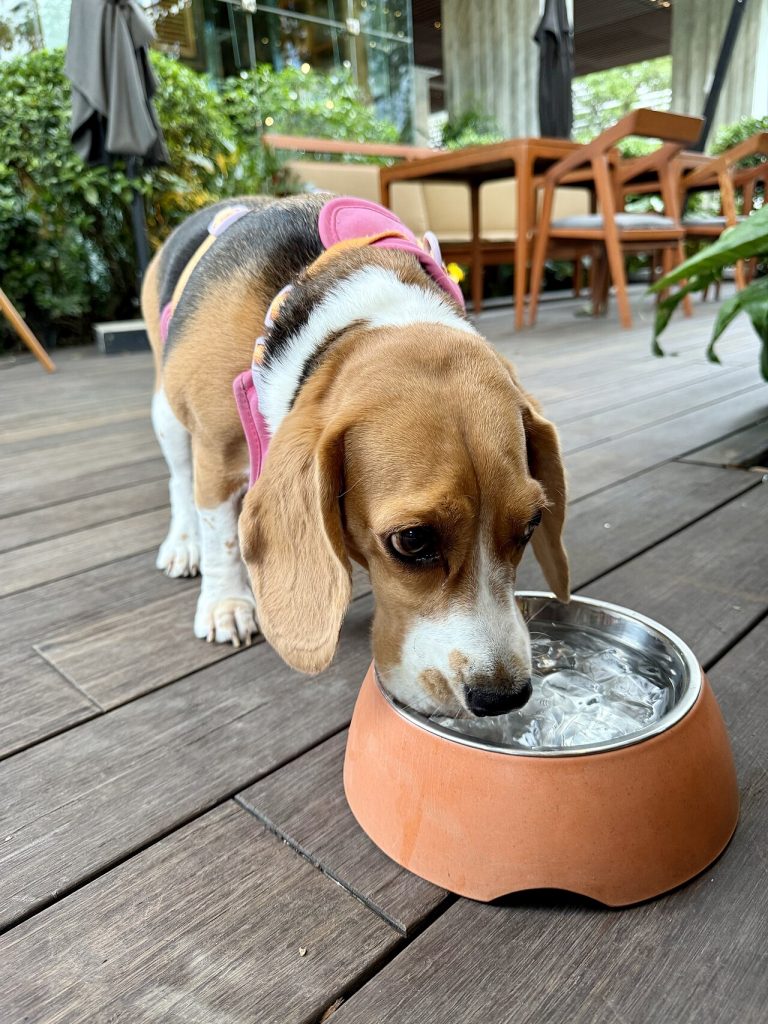
Natural or synthetic ropes, soft and very tight together. It is suitable for dogs with short hair and attached to the body, such as the Beagle: it removes loose hair and dandruff, stimulates the skin and distributes natural oils throughout the mantle, leaving it shiny. It is also used as the final step in double-layer breeds to polish the finish.
Rubber glove or brush
They massage the skin while dragging dead hair to the surface, and can be worn wet during bathing to help the shampoo penetrate. They are the friendliest choice for very short-haired dogs and for furry ones who hate brushing: many experience it as a caressing session.
Machinery for making pulp of fibrous cellulosic material or of cellulose fibres
Furminator-type deburring tools carry a thin blade that catches and cuts the dead undercoat. They’re effective against mold, but there’s debate among hairdressers and veterinarians: Excessive use or pressure can also cut healthy hair from the outer layer and alter the texture of the coat. If you do use it, do so in moderation (once or twice a week on soft, soft patches) and never on irritated skin. In double-layer breeds, many professionals prefer the classic rake.
The metal comb, on the other hand, is the great undervalued: it is not a brush for daily use, but the control tool. If the comb passes from the root to the tip without getting hooked, the work is well done. With a comb of fine teeth (lendrera type) you can also detect fleas.
What brush your dog needs according to his coat
Locate your dog’s coat type and you’ll have your winning combination:
| Type of coat | Examples | Main brush | Supplement |
|---|---|---|---|
| Cut and smooth | Beagle, Boxer | Bristle brush | Manufacture from materials of any heading, except that of the product |
| Cut with dense undercoat | Labrador Retriever | Rubber glove or short rake | Bristle brush |
| Mixed medium/long layer | Husky Siberiano, Pastor Alemán | Other, of circular cross-section, of iron or steel | Containing 85% or more by weight of wool or fine animal hair |
| Long and silky | Yorkshire Terrier | Brushes with spikes | Other, not further worked than hot-rolled |
| Curly or woolly | Caniche | Carda (slicker) | Other, not further worked than hot-rolled |
| Hard or wire | Schnauzer, terrier with hard hair | Soft card | Brushes with spikes |
Notice one detail: Curly coats like the Poodle’s barely let hair loose around the house, but they are precisely the ones that need the most brushing.
Every once in a while brush your dog
These guidelines are the ones handled by professional groomers and organizations like the AKC:
- Short and straight hair: once or twice a week is enough to remove dead hair and maintain the shine.
- It ‘s a double layer . at least two or three times a week; daily during heavy spring and autumn mowing, when the undercoat is released in industrial quantities.
- Long and silky hair: every day or almost every day, because the knots form quickly behind the ears, in the armpits and the English.
- Curly or woolly: three or four times a week with carda, plus appointments with the canine barber every 6-8 weeks.
Beyond aesthetics, regular brushing has a benefit that often goes unnoticed: it’s your weekly health check-up. As you brush, you detect fleas and ticks, lumps, sores, hairless areas or red skin that would otherwise be hidden under the coat. If you find something strange, don’t let it pass: consult your veterinarian.
How to Brush Your Dog Step by Step
A good brushing isn’t just brushing your dog, it’s a routine your dog should enjoy.
- Choose a quiet time. After the walk, with the dog relaxed, the first few times, short 5-minute sessions and lots of prizes.
- Start with the easy areas.(lobe and sides) and leaves for the end the sensitive ones: belly, legs, tail and behind the ears.
- Brush in favor of hair with long and smooth passages. In double layer, it works by sections lifting the mantle with one hand to reach the undercoat (line brushing technique).
- Untie the knots with your fingers. or with a little untangling spray before attacking them with the charade.
- Finish passing the metal comb., if it slips without getting hooked, you’re done.
- Always push when you’re done. The goal is for him to associate the brush with something good; he will thank you for it all his life.
Common Brushing Mistakes (and How to Avoid Them)
- Brush only the outer layer. In double-coated breeds, if you don’t reach the undercoat you’re smoothing out while the inside forms a compacted carpet.
- Squeezing too hard with the string. causes irritation and makes the dog afraid of the brush.
- Cut the knots with scissors. An unexpected pull from the dog and you end up at the vet with a cut.
- Brush the dry and dirty coat in long coats. A conditioning or untangling spray reduces hair breakage by friction.
- Bathing the dog in knots. Water tightens and “squeezes” the mats, turning a manageable knot into an impossible felt.
- Shave a double coat so it doesn’t fall out. The AKC advises against it: the double coat insulates from heat and cold and protects from the sun; shaving can permanently alter its re-growth.
- Buy the “viral” brush without looking at the coat. The world’s best ramming tool is useless (or harmful) on a Yorkshire, and a rubber gauntlet will do nothing on a full-grown Husky.
With the right brush, ten minutes a week can make the difference between a healthy, shiny coat and an urgent trip to the hairdresser to shave a mat. Your couch, your black clothes, and most of all your furry face will notice.
Frequently Asked Questions
What’s the best brush for a short-haired dog?
A soft bristle brush or rubber cuff removes dead hair, spreads out natural oils and gives a glow without irritating the skin.
How often should I brush my dog?
Depending on the coat: once or twice a week in short hair, two or three times in double layer (daily in moult season) and daily in long, silky or curly coats, which tangle easily.
Can I use my own hairbrush with my dog?
It’s not a good idea. Human brushes are not designed to penetrate the canine mantle or remove undercoat, and their spines can scratch the dog’s skin. Dog brushes have the density, length and tips designed for each coat type.
Do furminator-type hair removal tools damage your hair?
They can do this if they are used incorrectly: they carry a blade that, with excess passes or pressure, also cuts healthy hair from the outer layer.
How do I untie a knot without hurting my dog?
Apply a disentangling spray, separate the knot with your fingers from the tips to the root, and hold the lock by the base to avoid pulling on the skin. Never use scissors. If the knot is stuck to the skin or the mantle has extensive mats, go to a dog barber.
Is it better to brush the dog before or after bathing?
Water compacts existing knots and makes them very difficult to untie mats. Brush thoroughly, bathe, dry well (especially the undercoat in double-layer breeds) and give a final pass when dry.