Puppy-proof house: security checklist room by room
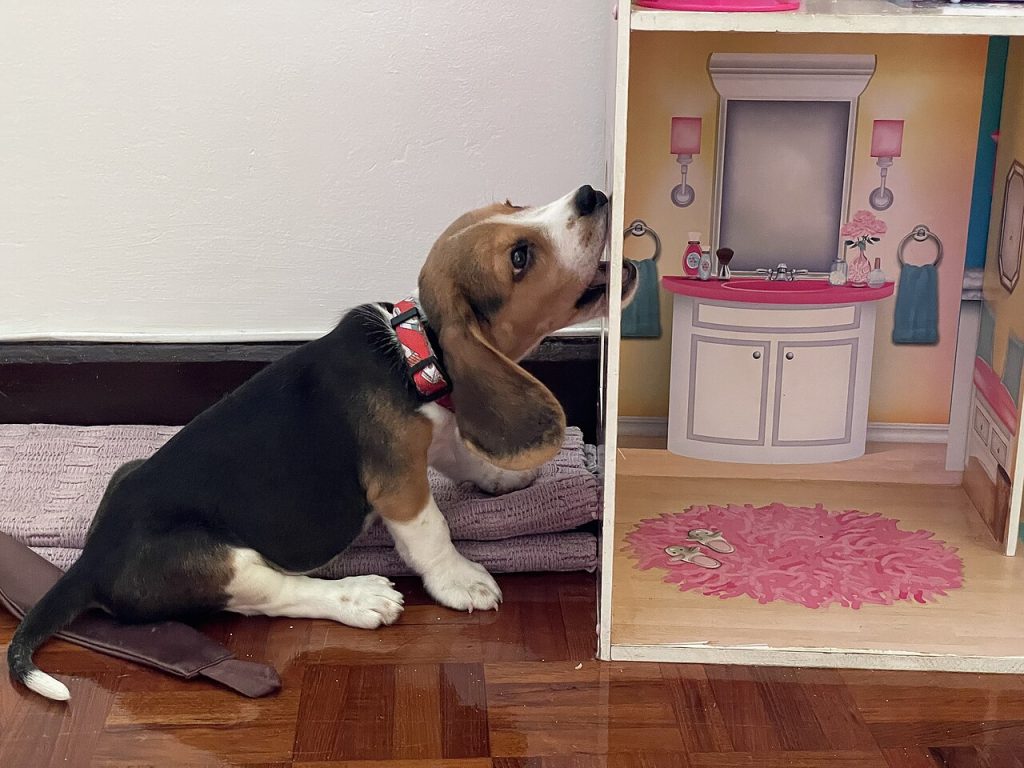
There are only a few days left before he arrives and you can imagine the scene: A hairball exploring the living room. What you may not imagine is that same ball biting the charger wire, swallowing a piece of rubber from her hair, or licking the dishwasher. Prepare the house for your puppy before you walk through the door is the difference between an exciting first few weeks and an emergency vet visit. And let’s not exaggerate: According to annual data from the ASPCA Poison Control Center, medications for human use and human food are the leading causes of poisoning in pets year after year.
A puppy explores the world with its mouth. It doesn’t distinguish between its toy and your ibuprofen, between its biter and the lamp wire. This guide takes you room by room, with actionable checklists, a table of dangerous foods and plants, and the mistakes most of us make the first time.
The golden rule: Stand up to her
The most repeated advice by trainers and by the American Kennel Club is also the most effective: get on all fours and walk around your house at the height of a puppy. From down there you’ll see things that don’t exist standing up: cables hanging behind TV furniture, coins under the sofa, the gap between the washing machine and the wall, the fringes on the carpet, the shopping bag leaning on the floor.
Do it with a notebook or cell phone in your hand and write down everything that a curious two- or three-pound animal could bite, swallow, spill or use to escape. That ten-minute walk is your personalized checklist. The rest of the article gives you the standard per room so you don’t miss anything.
Kitchen: The most critical area when preparing the house for your puppy
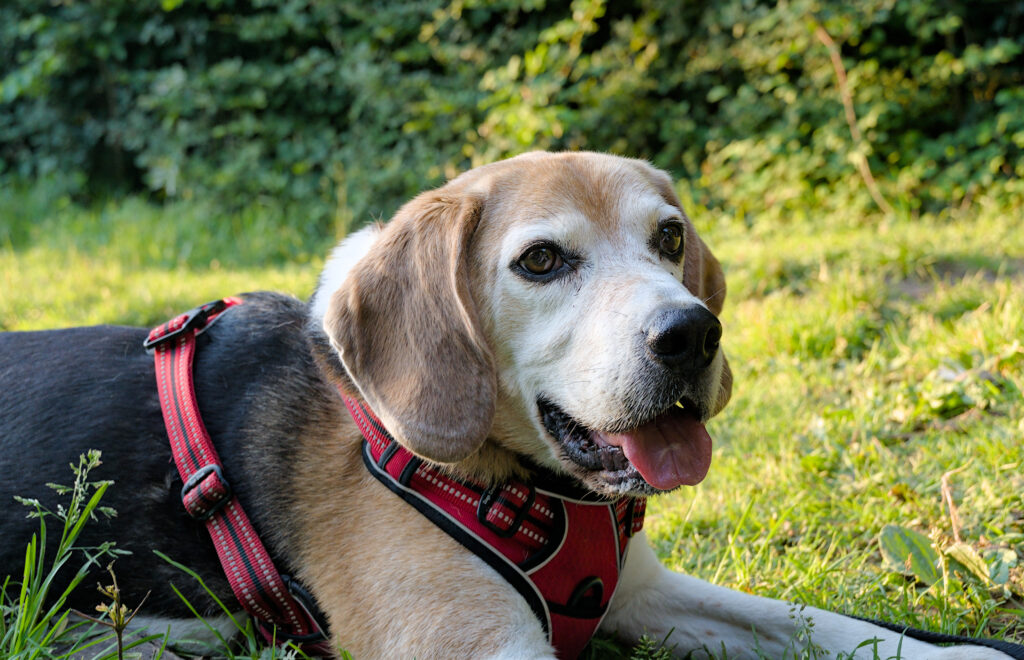
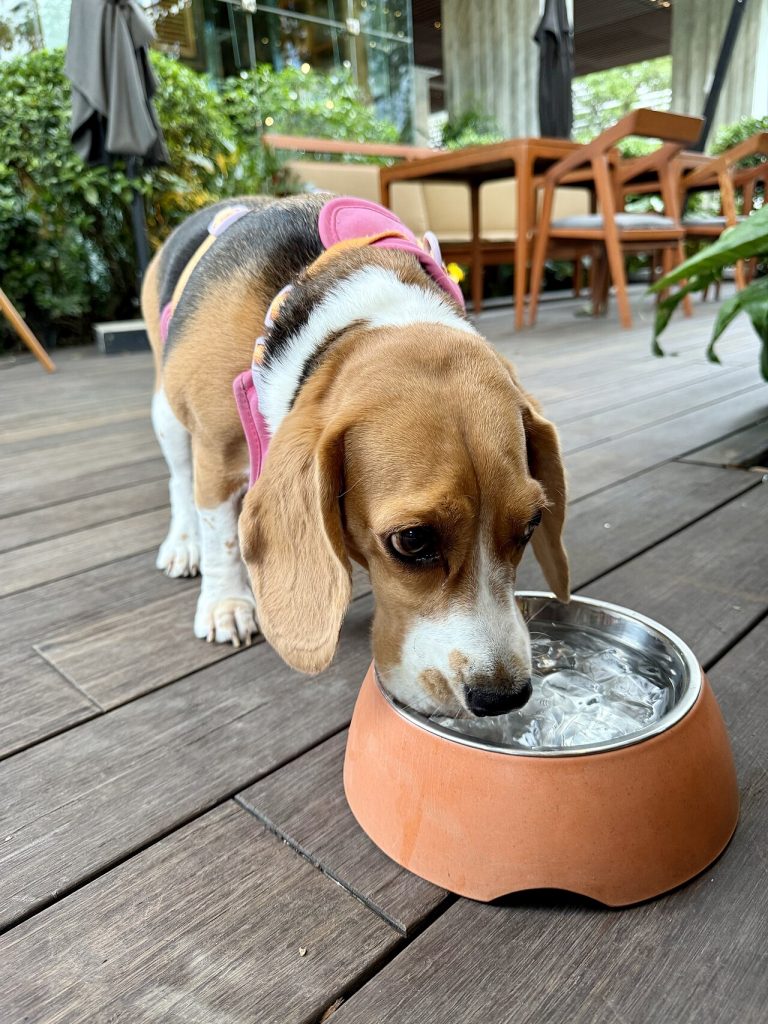
The kitchen concentrates food, chemicals, heat and garbage cans, and for a smell like the Beagle or the Labrador Retriever it’s an amusement park.
- Cooked bones, greasy remains, wrappings and meat webs are typical causes of intestinal obstruction.
- Toxic food out of reach: chocolate, grapes and raisins, onions, garlic, avocados and macadamia nuts must not be left on low fruit stands or accessible countertops.
- Watch out for the xylitol: this sweetener in gum, sugar-free candy and some peanut butter creams causes severe hypoglycemia and liver damage in dogs.
- Cleaning products in high cabinets or with child safety lock, never in the hole under the sink unlocked.
- Wire for small household appliances(toaster, kettle) collected: when pulling the cable the apparatus may fall on it.
- While you’re cooking, puppy out.: a baby barrier on the door prevents burns from splashing and tripping with the oven open.
Practical advice: From day one, get your child accustomed to a mat or bed in a corner of the kitchen that is “his place”.
Living room and dining room: cables, plants and small objects
It’s the room where the puppy will spend the most hours with you, so the goal here is not to ban, but eliminate risks and offer alternatives.
- Electrical cables: unplug the ones you don’t use, lift the others out of reach or pass them through gutters and protective covers.
- Small objects at ground level: coins, clips, hair gums, button batteries (very dangerous), pieces of children’s toys, jewelry.
- Indoor plants: pot, dieffenbachia, aloe or ficus are irritants or toxic to dogs.
- Carpets and other textile floor coverings: watch the first few weeks; swallowed threads and fillers are frequent surgeries on puppies.
- Fireplaces and stoves with protective screen.
- Curtains with laces: pick them up high, there’s a risk of strangulation when playing.
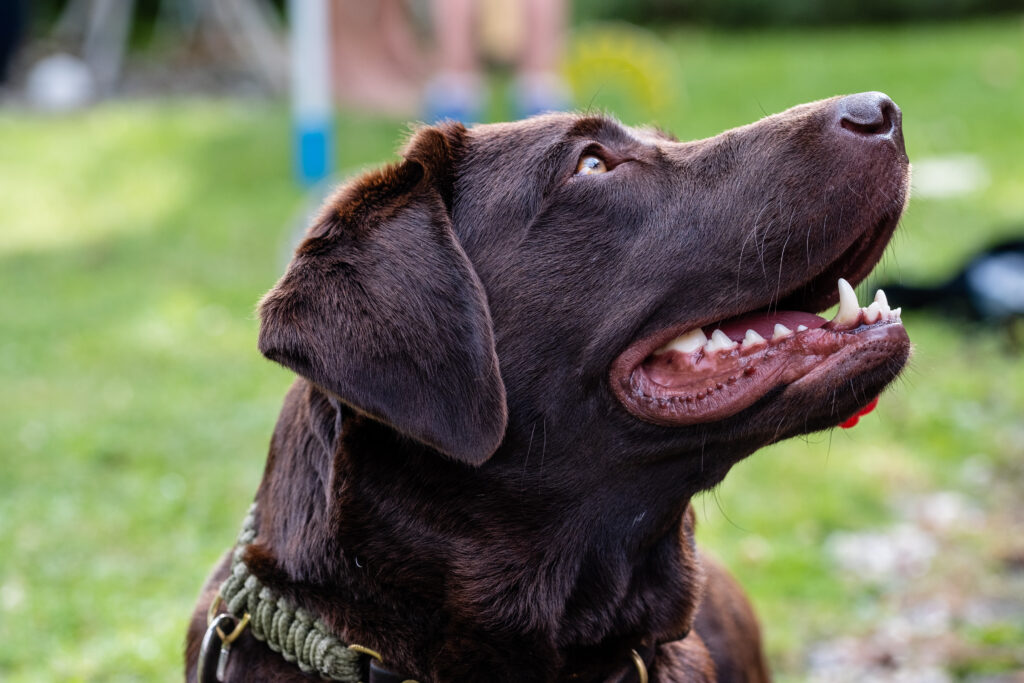
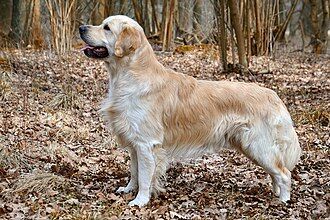
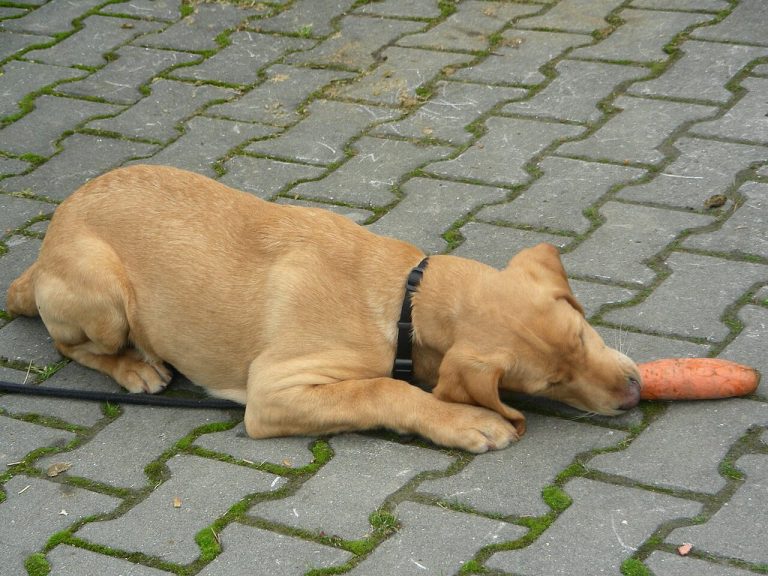
Always have two or three age-appropriate biters on hand. When caught biting the leg off the table, a “no” is not enough: switch the furniture for the toy and reward it for accepting it. With breeds with a strong need to bite puppies, such as the Golden Retriever, managing biters is half the battle.
Bedrooms and office: medicines, chargers and socks
They look like quiet rooms, but they concentrate three classic ERs:
- Medicamentos: paracetamol, ibuprofen, antidepressants, vitamins. Human painkillers are among the top causes of poisoning in dogs according to the ASPCA. No pills on low tables; everything in high or closed drawers.
- Small clothing: socks, underwear and stockings smell like you and swallow whole.
- Machinery for making pulp of fibrous cellulosic material under the desk: gutters or cable organizer boxes. In the office add off paper shredders and empty trash cans.
Decide from day one whether the puppy can enter the bedroom and be consistent. If the answer is no, a closed door or a barrier is more fair than changing the rules every week.
Bathroom and laundry: chemicals and water
- The toilet seat ‘s always down .: in addition to the risk of falling for small puppies, the water may contain residues of chemical cleaners.
- Human toothpaste may contain xylitol.
- Detergents and washing machine capsules: single-dose capsules are flashy, soft and highly toxic.
- Washer and dryer doors closed and quick check before you turn them on: it looks like a joke until a puppy curls up inside.
- Buckets with water and mops: Empty them after use; water with bleach or ammonia is a dangerous cocktail.
Garage, storeroom and stairs
The garage should be directly prohibited area for the puppy.
- Anticongelante: its sweet taste attracts dogs and ethylene glycol is lethal in minimal doses.
- Raticides, insecticides and baits for snails: out of reach or better off out of the house.
- Tools, screws, nails and paint in locked boxes and high shelves.
- Fertilizers and swimming pool products in locked cabinets.
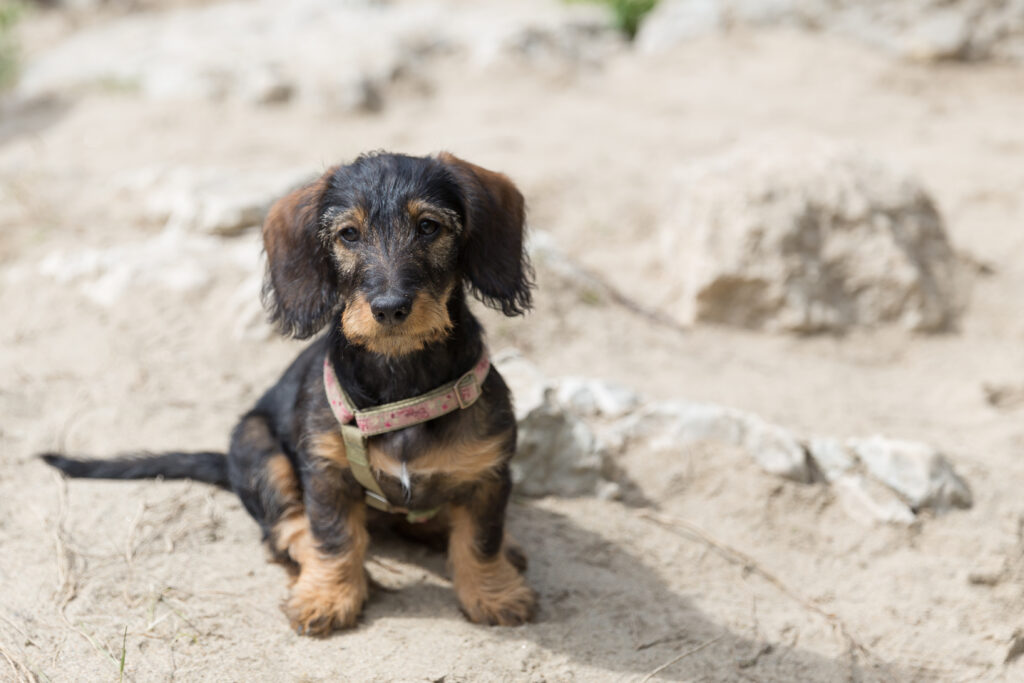
The stairs deserves its own mention: a two-month-old puppy does not yet control its body and falls are frequent. It installs baby barriers up and down until it grows up and learns to climb them calmly. Teckel
Terrace, balcony and garden
Before you let him go out alone for even a minute, check:
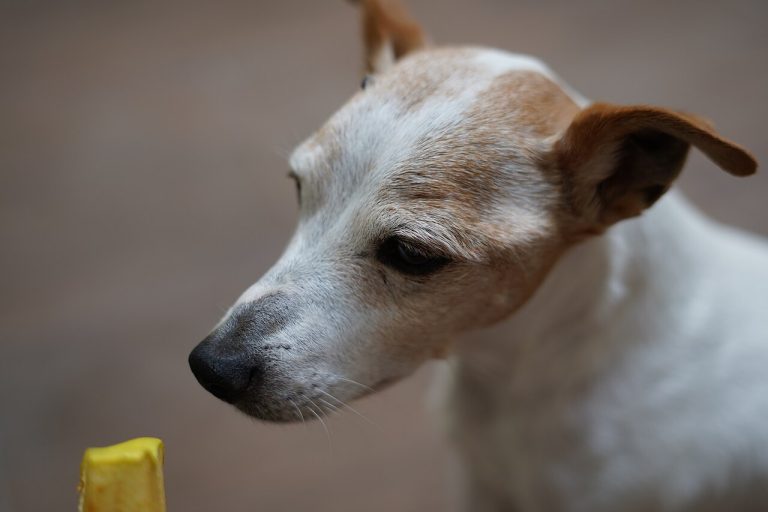
- Full fence: without holes for its head to fit through (if the head fits, the body fits) and with sufficient height. Jack Russell Terrier
- Balconies and railings: if the puppy passes between the bars, close the gap with mesh or methacrylate.
- Plants of the garden: Edelphas, azaleas, cycads, hydrangeas, castor beans and tulip or daffodil bulbs are toxic.
- Swimming pools and ponds: fence or rigid blanket. A puppy can swim, but it doesn’t always know how to find its way out.
- Chemistry of the garden: after applying herbicides, fertilisers or insecticides, respect the manufacturer’s safety limits before letting it on the lawn.
- Supervision always: a puppy of a few months should not be alone in the garden, for safety and because boredom in solitude makes professional excavators and barkers, especially in such active breeds as the Border Collie.
Quick chart: dangerous food and plants
It’s not an exhaustive list, but it covers what we see most in normal homes.
| Dangerous | Where he usually is. | Primary risk |
|---|---|---|
| Chocolate and cocoa | The kitchen, the backpacks, the presents. | Theobromine: vomiting, arrhythmias, convulsions (the purer the worse) |
| Xylitol and its salts | Chewing gum, sugar-free candy, toothpaste | Severe hypoglycaemia and liver damage |
| Grapes and raisins | Fruit shop, pastry shop | Renal failure (even small amounts) |
| Onions and garlic | Kitchen, leftovers | Anemia due to destruction of red blood cells |
| Human medicinal products | Napkins, bags, what you need. | First cause of poisoning according to the ASPCA. |
| It’s antifreeze. | Garage | Ethylene glycol: renal failure, lethal at minimum doses |
| Adelpha and Sage | Gardens and terraces | Cardiotoxicity/ hepatic failure, potentially fatal |
| Pot and dieffenbachia | The interior | Severe irritation of the mouth and esophagus |
| Fruit of the genus Agaricus | Garden, pots and pans | Vomiting, weakness, heart problems |
| Other, not further worked than hot-rolled | Controls, toys and scales | Severe chemical internal burns |
Common Mistakes in Preparing the House
- Doing it all day before. Start one or two weeks before arrival: it will give you time to order barriers, gutters and closures, and to live a few days with the house “in puppy mode” to detect faults.
- Puppies grow up and learn to jump and stand in weeks, what’s safe today on the bottom table won’t be safe in a month.
- With a puppy, supervision or safe space are not optional.
- Not creating a safe zone. A puppy park or a clean room with your bed, water and toys is where you should stay when you can’t watch.
- Leave the floor door or fence “just a moment”, the leaks happen at those times, microchipped and plated with a phone from day one.
- Put it all in the bitter spray. Bite repellents help on concrete furniture, but they are not a substitute for environmental management or proper biters.
Frequently Asked Questions
When should I start preparing the house for the puppy?
Ideally, you should start a week or two before your puppy arrives, which is usually around 8 weeks of age, so you have room to buy fences, cable protectors, and security locks, and to go through the house calmly instead of improvising on the last day.
What do I do if my puppy has eaten something toxic?
Call your veterinarian or a veterinary emergency service immediately, even if you do not yet have symptoms.Have the container or a photo of what you have ingested and the approximate amount on hand.Do not cause vomiting on your own: some products (caustics, sharp objects) may worsen the situation.
Until what age does a puppy bite his whole body?
The most intense phase coincides with teething, approximately between 3 and 6-7 months, when the baby teeth change. Many dogs continue to nibble enthusiastically for up to a year or more, especially retriever breeds.
What indoor plants are safe if there’s a puppy in the house?
Common plants considered nontoxic to dogs include calathea, maranta, Boston fern, areca palm, and peppermint. However, any plant bitten in quantity can cause digestive discomfort, and the lists change: check the ASPCA plant database or your veterinarian if in doubt.
When can I let the puppy loose around the house unattended?
There is no set age: it depends on their maturity and what you have worked on. The usual pattern is to expand the freedom gradually from 6-12 months, starting with short periods in an already “approved” area. If you come back and find debris, you have gone too fast: reduce space and time and gradually expand again.
Is it advisable to use a park or shuttle inside the house?
Yes, well used is one of the best safety tools. A puppy park or a carrier that is presented in a positive way gives you a safe place to stay when you can’t supervise, and helps with home education. It should never be used as punishment or for whole days.
Last thought: The puppy-proof house is not forever. In a few months, with the dentition over and the basic education in place, you’ll be putting things back in place. But those first few weeks of prevention prevent scares, emergency bills, and bad habits that are much harder to correct later. If you have questions about specific risks to your home or your breed, your veterinarian is always the best first call.