Artrosis en perros mayores: cómo aliviar el dolor y mejorar su vida
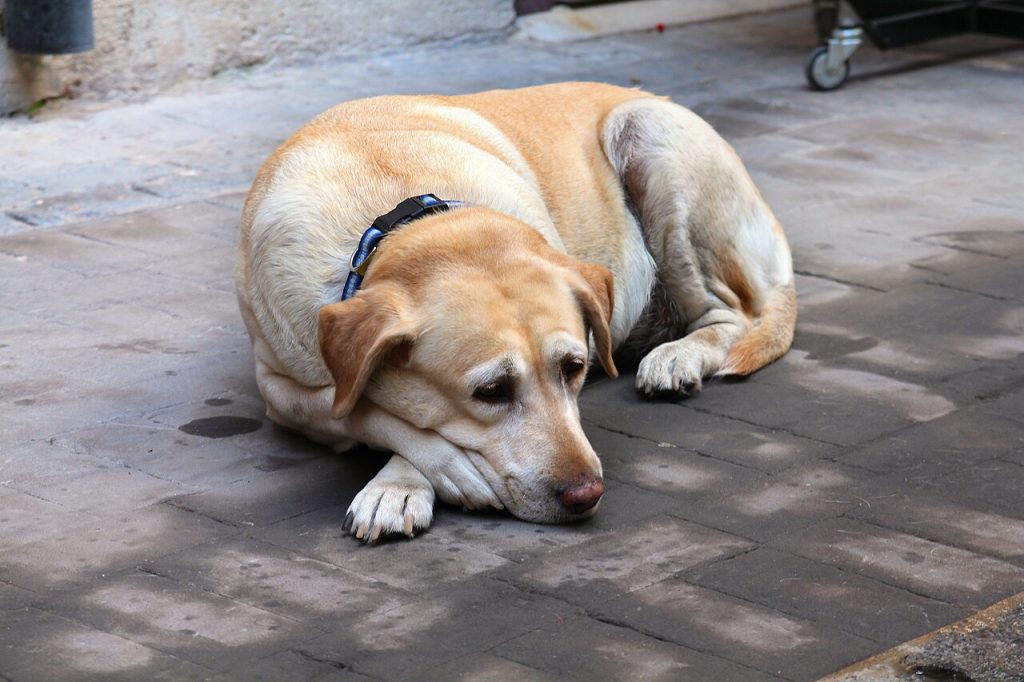
One day you realize: your dog no longer jumps on the couch, gets up slowly in the morning and walks a step behind. It’s not just “growing older”. A lot of times behind those small changes is arthrosis, and the good news is that today you can do a lot with it. Osteoarthritis in an older dog has no cure, but it does have management: With the right approach, most dogs regain the desire to move, to play and to live. In this guide, we’ll tell you, with verified veterinary data, how to recognize it and what really works to relieve pain.
What is osteoarthritis in dogs and why does it occur
Arthrosis (osteoarthritis) is a degenerative disease of the joints: the cartilage that cushions the friction between the bones wears out, the joint becomes inflamed and pain, stiffness and loss of mobility appear.
It’s not a rare disease, far from it. The largest study to date, with data on more than 455,000 dogs treated in clinics in the UK (Royal Veterinary College’s VetCompass programme), found that around 2.5% of dogs are diagnosed with osteoarthritis each year, with estimates for the general population reaching 20% of dogs over one year old. In dogs over 8 years of age, X-ray studies detect osteoarthritis in more than a third of the hips and knees, and in more than half of the elbows examined. == sync, corrected by elderman == If your dog is a senior, there are plenty of clues that some joint is hurting, even if he’s not complaining.
And here’s the key: dogs don’t complain like we do.. Chronic pain rarely causes crying or moaning; it manifests in subtle changes in behavior that are easily mistaken for “age-related things”.
Symptoms: How to tell if your dog has osteoarthritis
Look out for these signs, especially if your dog is older than 7-8 years old:
- Stiffness when lifting, especially after sleeping or after a long walk.
- Intermittent coughing, which sometimes appears with cold or humidity.
- It costs him climbing stairs, jumping in the car or on the couch, or he just stops trying.
- Shorter walks: stopping, sitting or falling behind.
- Licking or biting insists on a joint (carp, elbow, knee).
- Loss of muscle mass in the hind legs (hip bones are marked more).
- Character changes: less desire to play, irritability if you touch certain areas, more sleep.
- Abnormal posture: arched back, weight shifted to the front legs.
None of these signs alone confirm osteoarthritis (some also appear in other diseases), so the diagnosis always goes through the veterinarian: orthopaedic examination and, usually, X-rays.
Breeds and risk factors: Does your dog have more ballots?
Any dog can develop osteoarthritis, but not all start with the same cards. The best-documented risk factors are age (from 8 years the risk spikes), overweight, genetics and previous joint injuries or diseases, such as hip or elbow dysplasia and cruciate ligament rupture.
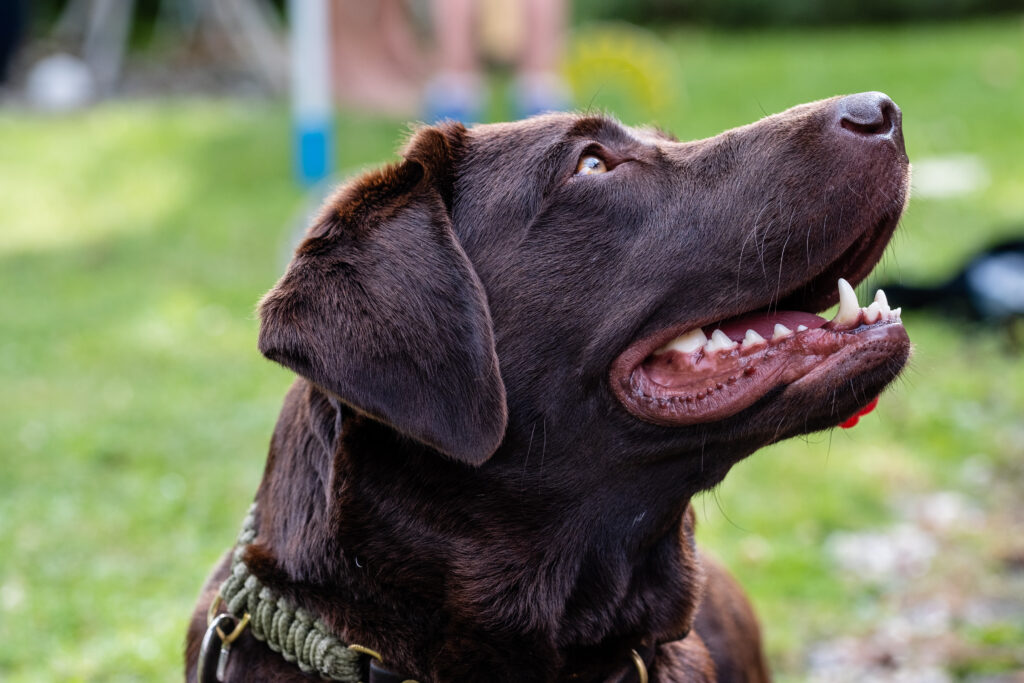
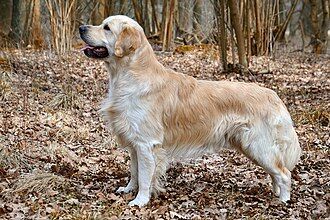
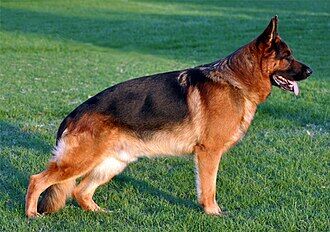
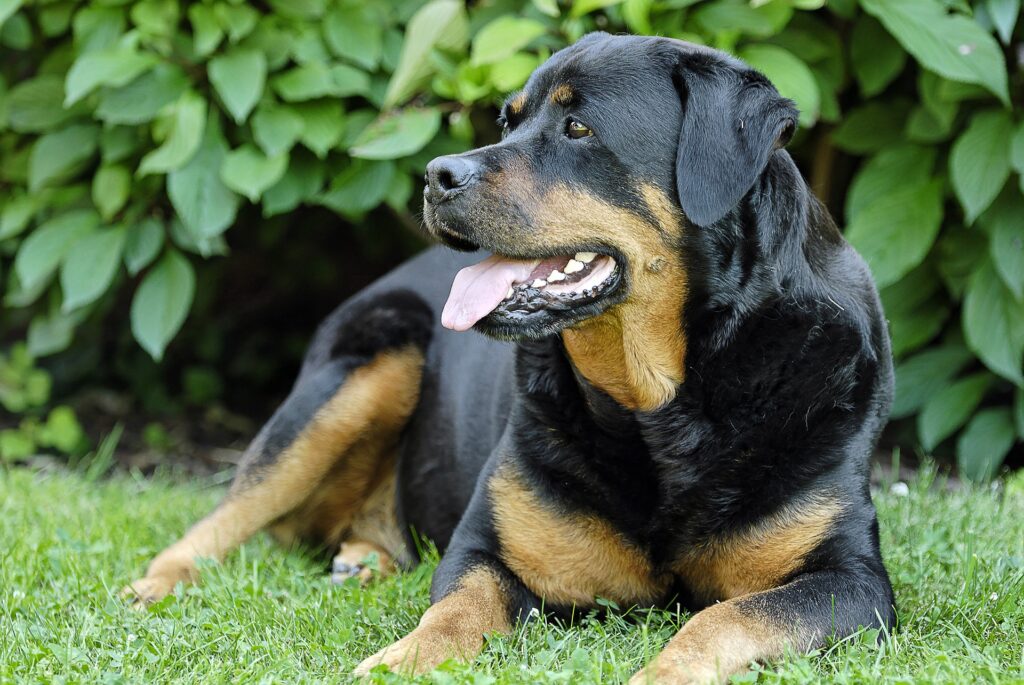
Large and giant breeds are the most affected. Studies especially point to Labrador Retriever and Golden Retriever, two breeds with predisposition to dysplasia that years later degenerate into osteoarthritis. Pastor Alemán(hip and elbow dysplasia), Rottweiler and large moles such as Boyer of Bern also appear frequently, whose weight subjects the joints to a huge load throughout life.
At the other extreme, long-bodied, short-legged breeds like the Teckel suffer more from spinal problems and also arthrosis associated with their conformation.
How to ease the pain of osteoarthritis in your dog – treatments that work
The modern management of osteoarthritis is multi-modal: there is no magic pill, but a combination of measures that add up.
1. Weight control: the cheapest and most effective treatment
If your dog is overweight, this is point number one, ahead of any drug. Each extra pound multiplies the load on already damaged joints and maintains an inflammatory state that accelerates wear. In dogs with osteoarthritis and overweight, slimming improves limp visibly. Ask your veterinarian to evaluate your condition and, if you are overweight, to recommend a specific diet with measurable goals.
Anti-inflammatory and analgesic veterinary medicinal products
In the case of veterinary medicinal products:(carprofen, meloxicam, firocoxib, grapiprant…) are the classic pharmacological pillar and the one that accumulates the most evidence of effectiveness against osteoarthritis pain.
3. monoclonal antibodies (bedinvetmab) are used for the detection of
The most important innovation in recent years: a monthly injection of anti-NGF monoclonal antibodies (bedinvetmab, marketed as Librela) which blocks one of the main pathways of osteoarthritis pain. In clinical trials it has shown comparable efficacy to NSAIDs and many dogs who were intolerant of anti-inflammatories have gained quality of life with it. Let ‘s be honest . Since it is a relatively new drug, it is still under surveillance and there have been reports of possible adverse effects in some dogs, something that the veterinary community is studying. It is your veterinarian who should evaluate whether it is a good choice for your particular case.
4. Chondroprotectors and omega-3s: with realistic expectations
Glucosamine and chondroitin supplements are very popular, but you should know that the scientific evidence for their effectiveness is limited and contradictory: some studies show slight improvements and others no difference compared to placebo. They usually don’t hurt, but don’t expect miracles or substitute them for real treatment. omega-3 fatty acids(fish oil EPA/DHA, or fortified joint veterinary diets) do have some more consistent evidence of modest improvement. Check with your veterinarian before supplementing on your own.
5. Physical therapy and rehabilitation
Veterinary physiotherapy (therapeutic exercises, massage, hydrotherapy on an underwater treadmill) helps maintain muscle mass, which is the natural “skeleton” that protects the joint. In older dogs with advanced osteoarthritis it can make a huge difference in mobility.
A quick summary of options:
| Measure | What it brings | Evidence |
|---|---|---|
| Weight loss | Less load and inflammation | High |
| In the case of veterinary medicinal products: | Control of pain and inflammation | High |
| Antibodies against NGF | Pain control (monthly injection) | High, in pursuit. |
| Omega-3s (EPA/DHA) and their derivatives | Modest improvement in limping | Moderate |
| Physiotherapy and hydrotherapy | Muscle, mobility, pain | Moderate |
| Glucosamine/chondroitin | Possible mild effect | Low or contradictory |
Changes at Home That Make a Difference
The environment matters as much as the medication.
- Orthopaedic bed of viscoelastic foam, away from currents: sleeping on a hard surface punishes the joints.
- Carpets and other textile floor coverings on parquet or tile floors: slips are painful and undermine your confidence when walking.
- Ramps or steps for the car and the couch, instead of jumps.
- Dining and drinking slightly elevated if your neck or elbows hurt when bending over.
- Short nails and hair between the pads trimmed: improve support and traction.
- In winter, coat for short-haired dogs and blanket in their bed: cold makes stiffness worse.
- If there are stairs in the house, value restrict access with a barrier and living on one floor.
Exercise yes, but the good
A classic mistake is to stop walking the dog “so it doesn’t hurt”. Total rest is counterproductive: it loses muscle, gains weight and increases stiffness.
- Regularity is the key: Saturday’s exercise binge pays off on Sunday.
- Mild heating: the first few minutes at a leisurely pace, no running, just getting out of the house.
- Soft ground: compact grass, earth or sand better than asphalt.
- Swimming or walking in shallow water if you like: they work the muscle without impact.
- Avoid jumping, braking, and turning sharply – better sniffing and walking than throwing the ball 20 times.
- Notice how that night and the next day is: if it ends up more lame or stiff, the session was excessive; cut and adjust.
Common Mistakes That Worsen Osteoarthritis
- Assuming “it’s age” and doing nothing. Old age does not hurt; osteoarthritis does, and it can be treated.
- Self-medicate with human anti-inflammatories: ibuprofen or paracetamol can be fatal to a dog.
- Trust everything to a supplement while the dog remains overweight and without a veterinary diagnosis.
- Stopping the medication as it improves: improvement means that the treatment works, not that it’s no longer needed.
- The weekend exercise binge after six days on the couch.
- Not checking the weight: in an osteoarthritis dog, every pound counts, in a good and bad way.
- Skip the reviews: osteoarthritis is progressive and the management plan needs to be adjusted every few months.
With timely diagnosis, weight control, proper treatment, and some home adjustments, a dog with osteoarthritis can live years with a great quality of life. It’s not about giving him back his five years, it’s about making his senior years comfortable, active, and happy. Your veterinarian is your best ally on this journey: don’t wait until the limp is obvious to make an appointment.
Frequently Asked Questions
Is osteoarthritis in dogs curable?
No, osteoarthritis is a chronic degenerative disease, and damaged cartilage does not regenerate, but you can control pain and slow its progression with multimodal management: weight control, veterinary medication, proper exercise and home adaptations.
What can I give my dog for osteoarthritis pain?
Only medicines prescribed by your veterinarian: veterinary NSAIDs (carprofen, meloxicam, firocoxib…) or injectable monoclonal antibodies, among others.
Should a dog with osteoarthritis keep walking?
Yes. Moderate, regular, low-impact exercise is part of the treatment: it maintains the musculature that protects the joints and prevents overweight. Ideally, several short walks daily on soft ground, avoiding jumping and strenuous exertion. Absolute rest worsens stiffness.
Does glucosamine and chondroitin work?
The scientific evidence is limited and contradictory: some studies show slight improvements and others find no difference compared to placebo. They are not usually harmful, but should not replace veterinary treatment. Omega-3s (EPA/DHA) have somewhat more solid evidence of modest improvement.
At what age do dogs develop osteoarthritis?
It is more common from the age of 8 but can start much earlier, especially in dogs with dysplasia, joint injuries or overweight. It is estimated to affect about 20% of dogs over one year of age, and in older dogs X-rays detect osteoarthritis in a much higher percentage.
What races are most at risk for osteoarthritis?
Large and giant breeds: Labrador Retriever, Golden Retriever, German Shepherd, Rottweiler or Bernese Boyero, among others, for their weight and predisposition to dysplasia.