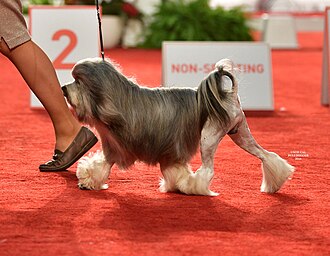
The Löwchen, whose name means “little lion” in German, is one of the most unique and rare companion dogs in the world: A small, cheerful and very sociable dog that for centuries accompanied the European aristocracy. Its hallmark is the traditional “lion’s tail” cut, which leaves hair on the front train and scratches the back. If you’re looking for a companion who’s manageable in size, well-balanced and deeply attached to his family, the Löwchen deserves a thorough introduction.
Is the Löwchen for you?
The Löwchen is a manual companion dog: it lives to be close to its people and adapts well to indoor life, but that same emotional dependence makes it unsuitable for those who spend many hours outside.
In favour .
- Small and manageable, ideal for flooring.
- Friendly character, cheerful and very sociable with the family.
- Very intelligent and responsive to training.
- Coat that barely sheds hair, considered low allergenic load.
- Good companion for families with children.
- Long life expectancy for a dog: often exceeds 13-14 years.
To be taken into account
- He doesn’t do well in prolonged solitude. He needs company.
- He may bark when he’s aroused or demanding attention.
- The long coat requires frequent brushing and periodic hairdressing.
- It’s a rare breed: finding responsible breeders can be expensive.
- Its price is usually high because of the scarcity of specimens.
Character and temperament

Beyond its striking appearance, what defines the Löwchen is its temperament. We are talking about a friendly, balanced and remarkably cheerful dog, which combines the vivacity of a terrier with the docility of a good lap dog. It is active and playful, but without falling into nervousness: it enjoys both a game session in the living room and lying on its owner’s lap at the end of the day.
His intelligence is one of his most quoted traits. He learns quickly, reads his family’s emotions very well, and is attentive to what is going on around him. That sensitivity makes it a great companion, but also a dog that needs mental stimulation and human presence to feel full. The Löwchen was bred for generations to live attached to people, and that bond remains central to its character: He wants to participate in the life of the home, not observe it from afar.
With strangers it is usually confident and open, although some specimens warn with barking of any novelty, which makes it a discreet alarm dog.
Coexistence: children, other pets, flat and loneliness
- With children: is one of its strengths. Its friendly and playful temperament fits very well with families with small children, always with the supervision and respect that any small dog deserves.
- With other pets: is sociable and non-conflict-prone, so it usually gets along well with other dogs and even cats, especially if it starts socializing as a puppy.
- On the floor:‘s small size and quiet character inside the house make it perfect for apartments, as long as it covers your walks and your daily dose of attention.
- In the face of loneliness: here is its Achilles heel. The Löwchen is not happy if left alone for long hours; it can become demanding or overly vocal.
Education and training
Training a Löwchen is usually a thankful task. Its intelligence and desire to please make it quickly assimilate basic routines, home manners, and little tricks. It responds wonderfully to positive reinforcement: rewards, a kind voice, and play motivate it far more than any harsh correction, which is counterproductive for such a sensitive dog.
It’s good to work two fronts from a puppy. The first is the socializing: gradually and positively expose it to people, other animals, noise and environments so that it grows safely. The second is the coping with loneliness: gradually getting him used to being alone for short periods of time prevents separation anxiety and excessive barking, his two possible weaknesses. Short, frequent, and fun sessions yield better results than long, monotonous ones.
Exercise and activity
The Löwchen is active but not tireless: its exercise needs are moderate and easy to cover. A couple of daily walks, some playing time and a little mental stimulation are enough to keep it balanced and in shape. It enjoys search games, olfactory challenges and activities such as small-scale agility, where its agility and intelligence shine through.
Because of its size, it does not require great distances or strenuous effort, making it suitable for older people or for those who are not looking for a sporting dog.
Care: fur and hygiene
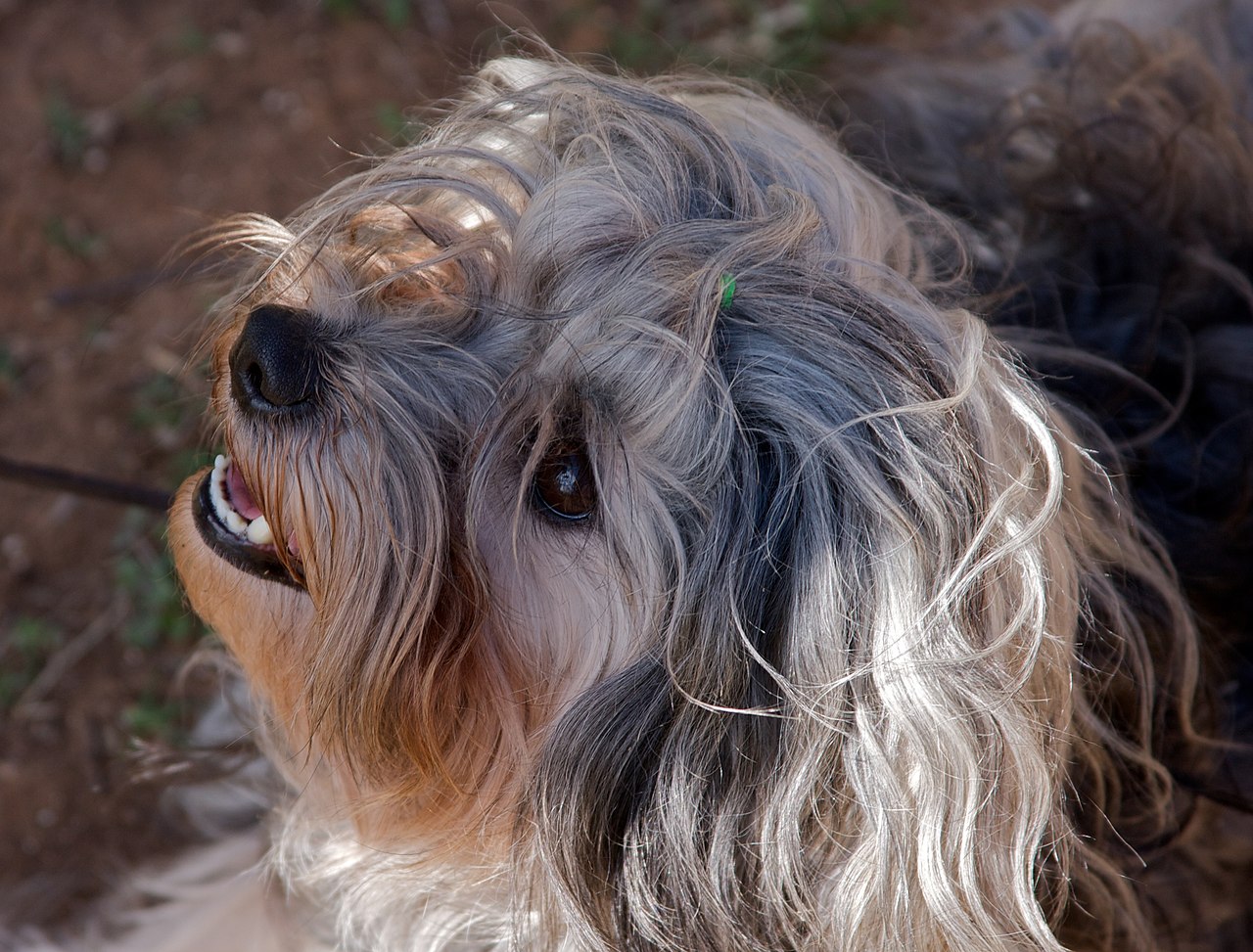
The Löwchen’s coat is long, wavy and double-textured, with a balanced mixture of silkier and thicker hairs and softer ones. Unlike the cotton coat of the Bichon Frise, his falls more straight and is silky to the touch. A great advantage: i barely let go of my hair and is considered to have a low allergenic load, although it should be remembered that no dog is totally hypoallergenic, as saliva and dandruff can also trigger reactions in sensitive people.
Just because it sheds little hair doesn’t mean it’s poorly maintained. Your mane needs frequent brushing, ideally several times a week, to avoid knots and tangles, especially in areas of friction. Most owners also resort to dog grooming every few weeks, either to maintain the length or for the characteristic lion’s cut. Complete the routine with basic hygiene: ear checks and cleanings, nail trimming and regular dental care.
Foodstuffs
As a small dog, the Löwchen needs a quality diet tailored to its size, age and activity level.The easiest way is to offer it a complete and balanced feed, formulated for small breeds, divided into two daily servings for adults and more frequent rations during puppyhood.
For its small size, control the quantity and weight is important: overweight overloads the joints and reduces quality of life. Measures rations, moderates rewards and always has fresh water available.
Health and life expectancy
The Löwchen has a reputation for being a healthy and long-lived dog. A British study in 2024 placed its life expectancy at around 13.9 years, above the average of both purebred and half-breed dogs, and it is not uncommon for many specimens to reach and even exceed fourteen years with good quality of life.
Since they are a small breed, their genetic stock is limited, so health is largely dependent on serious breeding work. Going to responsible breeders who do the recommended health tests on their breeders is the best guarantee. As with many small dogs, keep up-to-date with veterinary checkups and pay attention to dental hygiene. With proper care, proper nutrition, and moderate exercise, the Löwchen usually enjoys a long, active life.
Physical appearance

The Löwchen is a small, compact dog of almost square proportions, with a balanced silhouette and moderate angulations. Males measure about 30 to 36 cm at the withers and females about 28 to 33 cm, with a weight of around 4.5 to 8 kg depending on sex and specimen. The head is one of its most important features: wide skull, relatively wide snout, round, lively eyes and dangling ears, all with a gentle expression and, at the same time, that regal air reminiscent of a little lion.
Its long, wavy coat can come in many colors. Sabre, silver, cream, white, chocolate and red or gold are common, in addition to the particolor and Irish pied patterns; atigrade is less common. Interestingly, color can change throughout life: Many puppies are born dark and lighten towards cream or silver tones. The standards don’t give preference to any color. The tail, inserted at the height of the upper line, is carried over the back in the shape of a cup handle when the dog moves.
Origin and history
The story of the Löwchen is as old as it is elusive. Small dogs cut “like lions” appear in European artwork as early as the 16th century, although it is not always clear whether they were specimens of this breed or simply bichon-type dogs styled that way. What does seem firm is his role: For centuries it was a companion dog of the wealthy and elite, portrayed in paintings and tapestries alongside its owners.
Its origins lie in Europe, with France often referred to as its cradle, and its modern history can be traced back to late 19th-century amateurs in what is now Belgium, Germany and the Netherlands. It is related to the Bichon Frise and shares roots with the bichon family. In 1944, Madame Bennert launched a decisive breeding program, later with the help of veterinarian Dr. Rickert, who helped save the race.
The Löwchen arrived in Britain in 1968 and gained recognition from the British Kennel Club in 1971. That same year he crossed to the United States, where the Löwchen Club of America was founded and the German name of the breed was officially fixed. The American Kennel Club admitted it to its Miscellaneous class in 1996 and fully recognized it within the Non-Sporting group in 1999. On an international scale it is classified by the FCI in Group 9 (pet dogs), bichon section, with standard number 233.
Curiosities
- The strangest dog in the world: in 1973 there were only 65 registered specimens, and the Löwchen came to hold the title of the rarest canine breed on the planet, just like at the time the Portuguese Water Dog or the Bichón Habanero.
- It’s still scarce: still registers a few hundred puppies a year worldwide, and the breed is on lists of endangered breeds.
- His name says it all:“Löwchen” means “little lion” in German, and in French it is called little chien lion, “little lion dog”.
- The lion cut is not just aesthetic: is speculated that the shaved areas gave heat to their owners while the long mane trapped parasites, in addition to its obvious decorative value in the court.
- Small layers: usually give birth to two to five pups per litter.
If you are attracted to the Löwchen for its manageable size and companionable nature, you may want to compare it to other breeds in the same family of biches. We recommend you to take a look at the Bichón Frisé, its closest relative, the cheerful Bichón Habanero, the sleek Bichón Maltés and the spongy Cotton of Tulear.
Frequently asked questions about Löwchen
Is the Löwchen hypoallergenic?
However, no dog is 100% hypoallergenic: saliva and dandruff can also cause reactions, so it is advisable to live with one before deciding whether it is suitable for you.
How long does a Löwchen live?
It is a long-lived breed. A British study from 2024 estimated its life expectancy at around 13.9 years, and many specimens exceed 14 with good quality of life if given proper care.
Is it hard to educate?
On the contrary, it is very intelligent and eager to please, so it learns quickly with positive reinforcement. The important thing is to socialize it well from puppyhood and teach it to stay alone for short periods to prevent anxiety and excessive barking.
Does he bark a lot?
It can be vocal when aroused or demanding attention, and some warn of anything new like discreet alarm dogs.
Does he adapt to living in a flat?
Its small size and quiet character inside the house make it ideal for apartments, as long as it covers your daily walks and, above all, your need for company.
How much does it cost to take care of your fur?
Although they shed little hair, their mane needs to be brushed several times a week to avoid knots, and they usually visit the canine hairdresser every few weeks, either to maintain the length or for a haircut.
Is he good with kids and other pets?
His friendly, playful temperament suits families with children, and he usually gets along well with other dogs and cats, especially if he is socialized from an early age.
Why is it such a strange breed?
It was on the brink of extinction and in 1973 there were only 65 registered specimens. Thanks to breeding programs such as Madame Bennert’s it recovered, but even today a few hundred puppies a year are registered worldwide, which keeps it as one of the least common breeds.