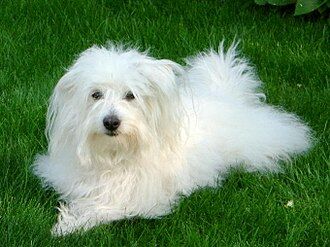
The Manufacture in which all the materials used are classified within a heading other than that of the product is a small, cheerful, cotton fur companion dog native to Madagascar, where it is recognized as the national dog. It belongs to the bichon family and is loved for its sociable nature, its unconditional attachment to the family and a white coat so soft it reminds one of cotton, hence its name. If you’re looking for a well-balanced, low-barking, hip mate, perfect for floor living, the Tular Coton is one of the most grateful breeds out there. In this comprehensive guide we review their character, their care, their health, their origin and everything you need to know before sharing your life with one.
Is that Coton de Tuléar for you?
Before you get carried away by its plush face, you should know what it means to live with this breed in everyday life. The Coton de Tuléar is a dog designed to be with its people: it shines in homes where it does not spend many hours alone and where someone is willing to devote a few minutes a day to brushing. In return, it offers one of the most balanced and caring personalities in the canine world.
In favour .
- Exceptional lap mate, very close to the family.
- It barely loosens hair and produces little dandruff (considered almost hypoallergenic).
- Sociable with children, adults and other animals.
- Small size, ideal for apartment and city.
- Smart, cheerful and easy to motivate.
- Slightly barking and stable temperament.
To be taken into account
- The cotton coat becomes tangled and requires brushing almost daily.
- Long-term loneliness is bad for him: risk of separation anxiety.
- Needs regular dog grooming (time and cost).
- Long back and short legs: beware of jumps and stairs.
- Responsible breeders are few and far between.
Character and temperament

If we had to sum up the Tuileries Coton in one word, it would be comrade. It is a cheerful, sociable dog and deeply attached to the people with whom it lives. Tradition describes him with an awakened, lively and intelligent expression, and whoever lives with one confirms it immediately: He follows you from room to room, searches for contact and earns the nickname Velcro Dog for his habit of sticking to his family.
It is not a nervous or domineering dog. Its prey drive is very low, which is perfectly understandable if we remember that for centuries it was a companion dog and not a hunting dog. This heritage makes it a balanced animal, which adapts to the rhythm of the house and enjoys both a time of play and a long nap at your feet.
Another mark of their identity is their clownish and communicative side. Many Coton make small growls and sounds when they are happy, almost as if they were talking, and are fond of singing songs to get your attention. That mixture of intelligence, sensitivity, and good humor is what has made this breed such a prized family companion.
Coexistence: children, other pets, flat and loneliness
The Coton de Tuléar is one of the dogs that fits best into almost any home, as long as certain guidelines are followed:
- With children: is patient, playful and affectionate, a great companion for the little ones.
- With other pets:‘s friendly nature and low prey drive facilitate coexistence with other dogs and even cats, especially if socialized as a puppy.
- On the floor: is an indoor dog par excellence. Its small size and tendency to bark little make it ideal for apartments and urban life, without giving up its daily walks.
- In the face of loneliness: is his weak point. As attached as he is, he has trouble staying alone for long hours and can develop separation anxiety. If you work outside all day, he will need routines of adaptation, enrichment toys and, if possible, company.
Education and training
Training a Coton de Tuléar is usually a thankful task. It is an intelligent dog and eager to please, so it learns quickly when positive methods are used: rewards, play and a lot of reinforcement. Because of its sensitivity, it responds fatally to harsh methods or shouts; a firm but gentle tone gives much better results.
The early socialization is key: the sooner you get to know people, other dogs, noises and different environments, the safer and more balanced you will be as an adult.
Because of its affectionate nature, it is easy to fall into over-consent, which can lead to a somewhat capricious or demanding dog. Establishing clear routines, consistent rules and short sessions of basic obedience will give you a polite and happy companion.
Exercise and activity

The Coton de Tuléar has moderate exercise needs, perfectly compatible with city life. One or two daily walks, plus some playing time at home, are usually enough to keep him fit and in good spirits.
That said, he appreciates and enjoys activity: he loves running in safe spaces, chasing toys, and participating in obedience games or tricks. Soft disciplines such as recreational agility or olfactory work are a great way to combine physical and mental exercise, something this highly intelligent breed especially values.
It is a good idea to avoid jumping from sofas or high beds and to watch the climbs and descents, especially as a puppy and an adult, to take care of your spine and joints.
Care: fur and hygiene

The great protagonist of the care of the Coton de Tuléar is, without a doubt, his cotton cloth. It is long, soft and bulky hair (not of fur), which hardly falls off but which entangles itself very easily.
Bathing can be done every three to four weeks with a suitable shampoo, drying the hair well to prevent moisture on the skin. Many families also resort to dog hair every month or two, either to keep the coat long and clean or to opt for a shorter and more practical cut in day-to-day life. As it is a mostly white dog, it is advisable to pay attention to the tear stains around the eyes.
The rest of the hygiene follows the usual guidelines of a small dog: checking and cleaning the ears regularly (hairy ears retain moisture and favor otitis), brushing the teeth several times a week to prevent tartar, trimming the nails when they grow and monitoring the eyes, large and expressive, for any abnormal secretions.
Foodstuffs
Like any small-breed dog, the Coton de Tuléar benefits from a complete, high-quality feed, formulated for small breeds and tailored to their age and activity level.
Weight control is especially important in this breed. Its structure, with its long back and short legs, suffers more when there are extra kilos, so it is advisable to measure the rations, avoid excess rewards and monitor the scale regularly. Rewards are a magnificent tool for training, but should be discounted from the daily ration so as not to end up overfeeding the dog.
Fresh water is always available and, if you have any doubts about quantities, food allergies or dietary changes, it is best to consult your veterinarian, who will be able to tailor the regimen to your Coton’s specific needs.
Health and life expectancy
A British study published in 2024 estimated its average life expectancy at around 14.2 years, above the average for purebred dogs, and it is not uncommon for many specimens to outgrow it with a good care routine.
The most protective anatomical point is your column: the combination of a somewhat long back with short legs increases stress in activities such as jumping, climbing stairs or making sharp turns. Limiting jumps from heights and maintaining an adequate weight are the two most effective measures to care for your back and joints throughout life.
As with all breeds, the best guarantee of health is to go to a responsible breeder who carries out the relevant genetic and veterinary tests on the breeders, especially on the eyes and joints, which are common in small bichon type dogs. Regular veterinary checks, vaccination, deworming and good dental hygiene complete the picture of a healthy, long-lived dog.
Physical appearance
The Coton de Tuléar is a small, rustic looking and endearing dog, dominated by its characteristic cotton coat. According to the International Canine Federation (FCI) standard, males measure between 25 and 30 cm to the cross and weigh 6 to 8 kg, while females are slightly smaller, with 22 to 27 cm in height and 3.5 to 5 kg in weight.
Its hair is medium to long in length, smooth, plentiful and cotton-like in texture, considered hair rather than fur and very low-pitched. The predominant colour is white, with slight lemon or lemon markings on ears and body allowed according to the FCI standard; other registers also accept white and black and tricolor varieties. It is common for the color to change throughout the puppy stage: Many individuals are born with dark tones that lighten over time thanks to a lightening gene.
The head wears a black nose(brown is tolerated in the FCI standard), a lively-looking round eyes, dark and well separated, often semi-hidden by the bangs, and a high insertion triangular ears. The body is of moderate length, with a well-developed chest, and the tail, of low insertion, is worn curved over the back when the dog is in motion or animated.
Origin and history
The Coton de Tuléar was developed on the island of Madagascar, of which it is the national dog, and takes its name from the port city of Tuléar(today’s Toliara).
Their ancestors are thought to have arrived in Madagascar between the 16th and 17th centuries, possibly by ship. The island was a haven for pirates, and it is believed that these dogs traveled on the boats, either as rodent control, as companions on long voyages or as loot. Once on the island, the Coton became the favorite companion dog of the merina, the ruling tribe, and was linked to Malagasy royalty, who for a long time were the only ones authorized to own it.
From that time comes its most famous nickname, King dog of Madagascar, popularized by Dr. Robert Jay Russell, who met the breed on the island in 1973 and brought the first specimens to the United States. In 1974, Madagascar even dedicated a postage stamp to him confirming his status as the national dog. The breed was officially recognized by the French Société Centrale Canine in 1970, and the FCI published its standard in 1972; already in the 21st century, the American Kennel Club fully recognized it in 2014.
Curiosities
- Its name says it all: cotton means cotton in French, alluding to the unique texture of its mantle.
- It is known as the Royal Dog of Madagascar because of its historical association with the island’s royalty.
- In 1974, Madagascar issued a postage stamp with his image, recognizing him as the national dog.
- There is a quaint legend that their ancestors swam to the shores of Madagascar after a shipwreck.
- It is famous for being a very communicative dog, with many making growls and noises as if they were talking to their family.
- Many puppies are born with dark spots that lighten with age thanks to a lightening gene.
- Barely loose hair, a highly prized rarity that places it among the breeds best tolerated by people with mild sensitivities.
If you are attracted to the sociable nature and small size of the Coton de Tuléar, you may be interested in other breeds in the same family, the bichon, or companion dogs with a similar profile. Bichón Frisé Bichón Maltés Bichón Habanero Löwchen
Frequently Asked Questions on Tular Cotton
Is the Tular cotton hypoallergenic?
No dog is 100% hypoallergenic, but the Coton de Tuléar is quite close: its coat is hairy (not furry), barely moldy and produces little dandruff, so many people with mild sensitivities tolerate it better than other breeds.
How long does a Tular cotton live?
It is a long-lived breed. A British study from 2024 calculated an average life expectancy of about 14.2 years, above the average for purebred dogs. With good nutrition, controlled weight and veterinary checkups, many Coton easily exceed that figure.
Does the Coton de Toulouse loosen his hair?
Very little. It is considered a low-mute breed: old hair tends to get entangled in the mantle rather than fall to the ground. The disadvantage is that that same hair is easily shed, so it needs brushing almost daily to avoid knots.
Is it a good dog for apartments and families with children?
Yes. Its small size, quiet nature, and low barking tendency make it ideal for living on the floor. It is very sociable and affectionate with children, although, as with any dog, it is advisable to teach the younger ones to respect their rest times.
How much exercise does a Coton de Toulouse need?
Moderate needs: one or two daily walks and playtime are usually sufficient. He enjoys playing and learning tricks, so combining walking with mental stimulation keeps him balanced.
How often do you have to brush it and take it to the hairdresser?
The ideal is to brush it daily, or almost daily, to prevent the hair from becoming tangled. The bath can be done every three to four weeks, and many families go to the canine hairdresser every month or two to keep the coat in good condition or wear a more practical cut.
Can you stay alone for many hours?
The Coton de Tuléar is a very family-friendly dog (sometimes called a velcro dog) and has a hard time with prolonged loneliness, possibly developing separation anxiety.
Where does Tular Cotton come from?
From the island of Madagascar, where it is the national dog. It takes its name from the port city of Tuléar (now Toliara). It belongs to the bichon family and was for a long time the companion dog of the Malagasy royalty, which earned it the nickname of the Royal Dog of Madagascar.