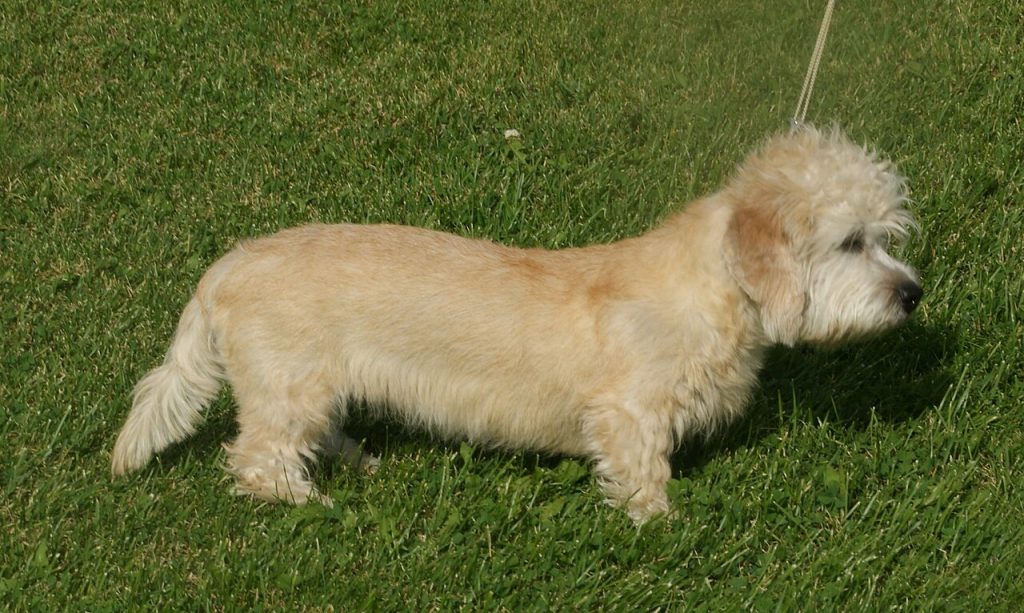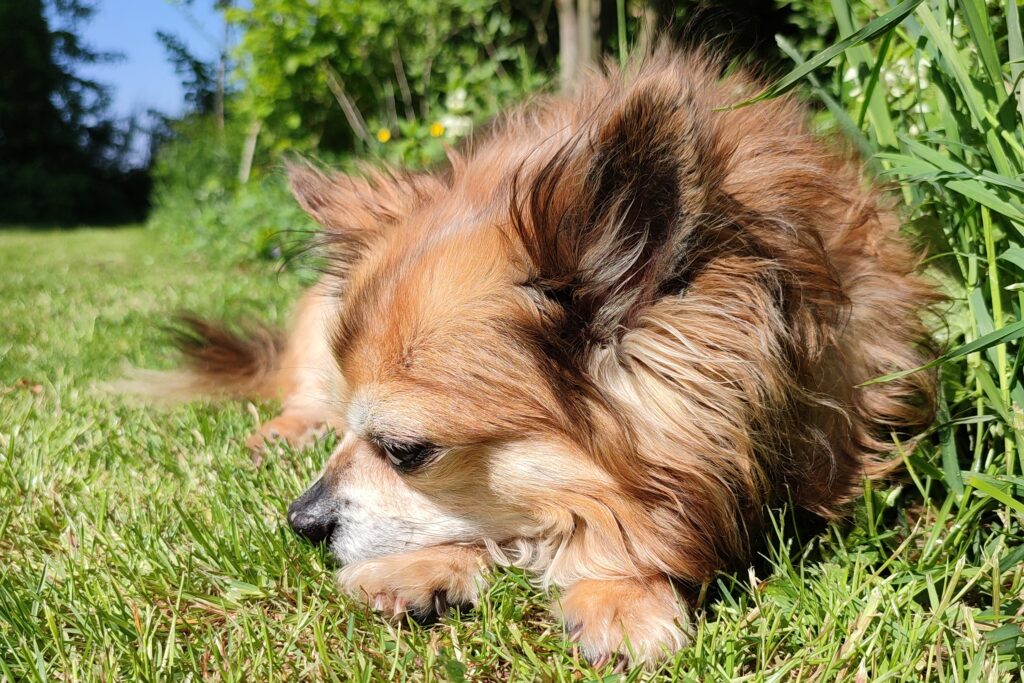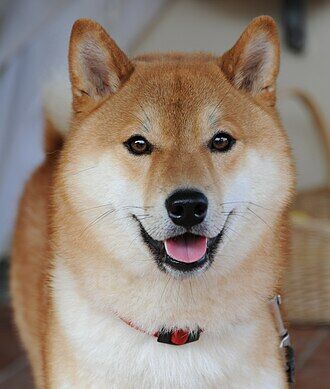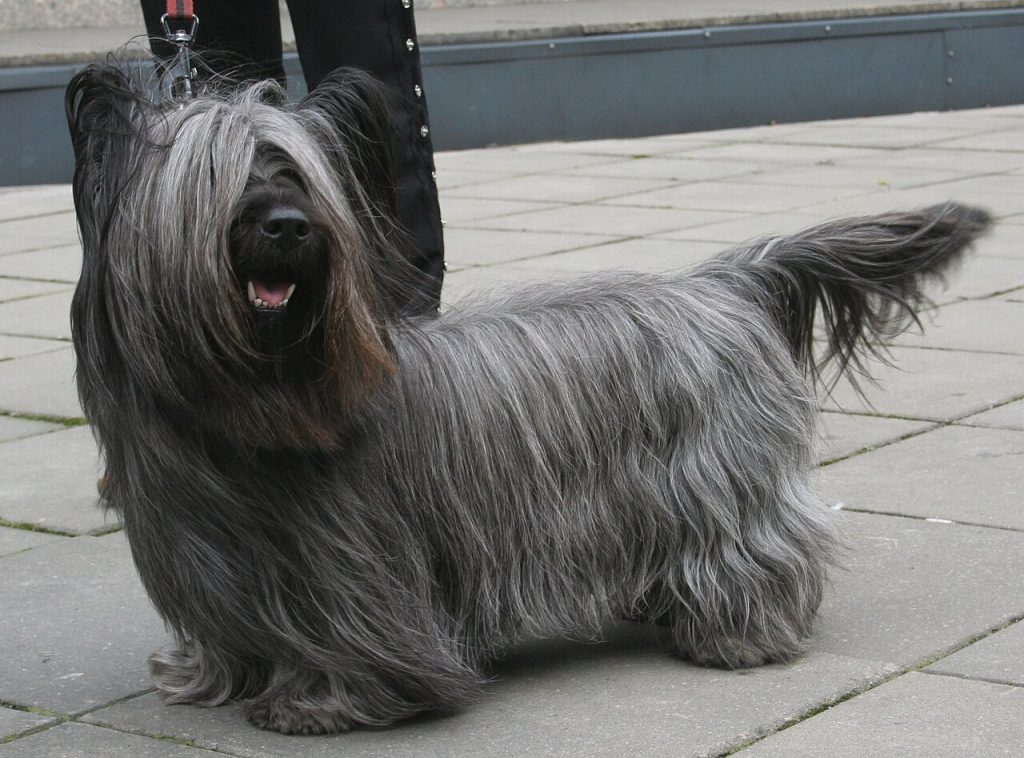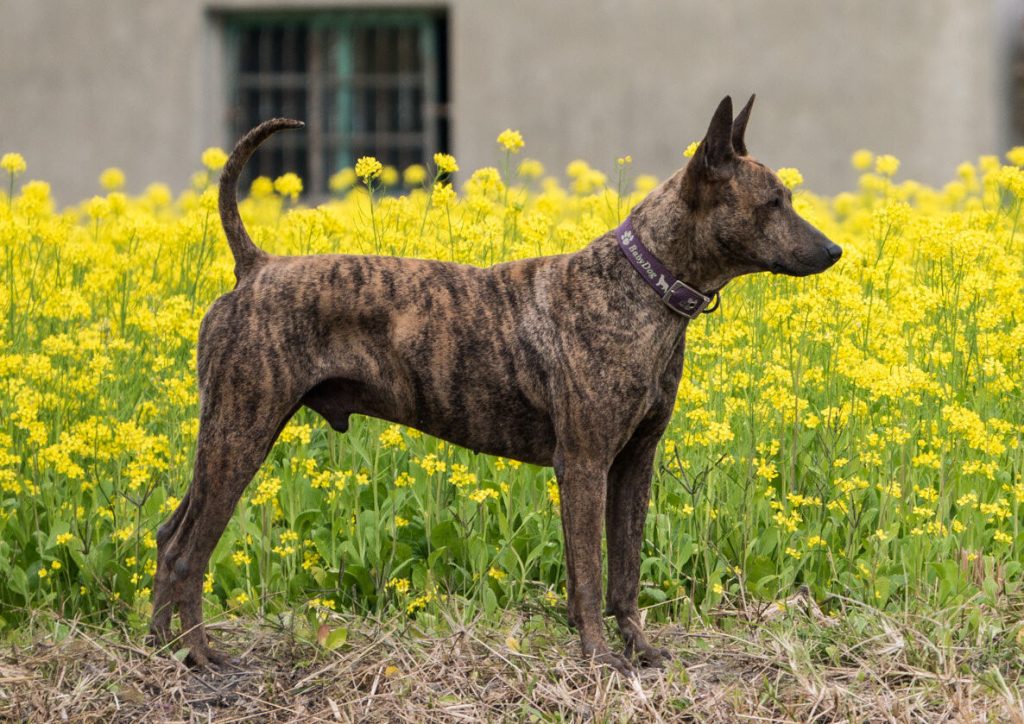
The Taiwanese dog– also known as the Formosa Mountain Dog – is one of the oldest and most primitive dog breeds in the world, with an origin dating back between 10,000 and 20,000 years. Agile, loyal and deeply attached to the island from which it takes its name, this medium-sized, natural-looking dog combines the instinct of a mountain hunter with the devotion of a one-person companion. In this guide you will find everything you need to know about the Taiwanese Dog: character, coexistence, care, health, origin and more.
Is the Taiwanese Dog for you?

The Taiwanese Dog is not a breed for any household. Its loyalty and intelligence make it an exceptional companion for whom it can give activity, consistency and presence; but its energy, its reserved character and its hunting instinct make it demanding for first-time or sedentary owners.
In favour .
- Extremely loyal and affectionate to his family.
- Very smart and quick to learn.
- Agile, athletic and resistant: ideal for active life.
- Excellent watchdog and guard dog.
- Short hair, easy to maintain.
- Healthy, rustic breed with good longevity.
To be taken into account
- Distrustful of strangers; needs early socialization.
- High energy: not suitable for sedentary homes.
- Strong hunting instinct with small animals.
- Independent and responsive; requires patient handling.
- It tends to be “one-person dog”.
- Rare outside Taiwan; hard to find.
Character and temperament
The Taiwanese Dog is a high-energy, loyal, affectionate and intelligent dog that learns extremely quickly. That liveliness is its great virtue and, at the same time, what obliges to educate it well: such a smart dog needs stimuli or seeks its own entertainment, not always desirable.
In unfamiliar situations or people, it tends to be cautious, alert to noises and movements, and may react with fear if it has not been socialized. In a new environment, a fearful specimen may take several days to relax. However, when it feels safe and has received good training, it is kind to people and other animals.
A very characteristic trait is its bond: it usually develops a very intense relationship with a particular member of the family, showing itself more distant from the rest.
Coexistence: children, other pets, flat and loneliness

With children: The well-socialized Taiwanese Dog lives in a balanced way with the children in his family, with whom he can be very affectionate.
With other pets:, raised as a puppy with other dogs and cats, learns to share the home without problems, but retains a marked hunting instinct inherited from his mountain past, so small and unknown animals (rodents, birds) must be kept under supervision.
On the floor: can adapt to living in an apartment if it compensates for the lack of space with frequent outings and intense exercise, although its ideal environment includes access to a safe outside.
In the face of loneliness: is a very attached dog that does not like to spend too many hours alone. Lack of companionship and stimulation can lead to anxiety and destructive behaviors.
Education and training
Its intelligence and willingness to learn make the Taiwanese Dog very responsive to training, provided it is approached in the right way. It is a sensitive breed: harsh or coercive methods block it and increase its distrust, while positive reinforcement – rewards, play, kind voice – brings out the best in it.
The early socialization is the cornerstone of its education. Exposing it from puppyhood, gradually and positively, to people, dogs, noises and varied environments prevents the fear and reactivity that characterize poorly socialized specimens.
It’s an independent dog, so the key is consistency and consistency rather than mechanical repetition.
Exercise and activity
We’re talking about an athletic, high-energy dog, bred for millennia to move through the steep, forested terrain of Taiwan. It needs plenty of daily exercise: long walks, runs, play and activities that test its body and mind. Between one and two hours of actual activity a day is a reasonable reference.
It stands out for its agility: is a born jumper, able to turn 180 degrees at high speed and famous for his ability to jump when chasing small prey. These qualities make him brilliant in dog sports such as agility, canicross or search and rescue work, disciplines that also channel his energy in a healthy way. Without a proper exhaust valve, it tends to anxiety and destructiveness.
Care: fur and hygiene
The coat of the Taiwanese Dog is short and hard, attached to the body, with a length of between 1.5 and 3 centimeters.
It does not need frequent baths; washing it sporadically, when it is really dirty, is enough not to damage the natural protection of your skin.
Foodstuffs
As an active and muscular dog, the Taiwanese Dog benefits from a complete and quality diet, with a good contribution of animal protein that supports its muscle mass and activity level.
Interestingly, it is a rustic breed that originally sought a good part of its food, so it is not usually a dog with a problematic appetite or especially prone to getting fat if it remains active.
Health and life expectancy

As one of the most primitive breeds and least manipulated by humans, the Taiwanese Dog generally enjoys robust health and remarkable rusticality. Its genetic makeup, forged by thousands of years of natural selection on the island, gives it a resistant constitution and few of the hereditary pathologies that affect highly modified breeds.
As with any breed, the best prevention is to maintain a healthy weight, regular exercise, proper nutrition, and regular veterinary checkups, including a schedule of vaccination and deworming.
Physical appearance
The Taiwanese Dog is a medium-sized dog (there are also smaller types), with almost square silhouette, firm and muscular body, stylized waist and broad chest.
Its head features a triangular face with dark brown almond-shaped eyes, erect, thin ears inclined 45 degrees, and a strong jaw with scissor bite.[1] A very distinctive feature is the black patch or cover on the tongue.[2] The tail, inserted high, is sickle-shaped and is carried upright and curved forward.
The coat, short and hard, supports a wide range of colours according to the standard: black, tiger, lion, white, and combinations of white with black, lion or tiger.
Origin and history
The Taiwanese Dog is a dog native to the island of Taiwan, genetically traced back to between 10,000 and 20,000 years ago, which places it among the oldest and most primitive canine breeds in existence. Descended from the dogs of the island’s aboriginal peoples, it adapts to the mountainous and densely forested terrain until it becomes a semi-wild animal, a hunting companion of the local tribes.
Their history is marked by what Dr. Sung Yung-yi described as four great catastrophes that almost wiped out the pure race. The first was the dutch colonization(from 1624), which introduced European hunting dogs – possibly greyhounds or English pointers – which were crossed with the native dogs, in addition to prohibiting tribes from having dogs. It was followed by the japanese occupation(from 1895), with intensive crosses with Japanese breeds, and the Segunda Guerra Mundial, during which road building brought in military German shepherds who re-mixed with the Formosa.
These successive crosses greatly diluted the population of purebred dogs, which was relegated to the most remote areas of the mountain. Thanks to the work of researchers such as Dr. Sung of National Taiwan University and breeders dedicated to recovering the purest specimens, the breed has managed to survive. Today, in addition to being a companion, the Taiwanese Dog is used as a hunting, guarding, rescue, and even stunt dog.
Curiosities
- It is one of the oldest dogs in the world: its lineage goes back to 20,000 years ago.
- The black spot on their tongue is one of their most recognizable marks of identity.
- Its tail, covered with thick hair, serves to keep its little furry belly warm and even to protect its snout from insects when it sleeps.
- Unlike breeds like the Rottweiler or the German Shepherd, it does not keep the bite on the prey: it bites and lets go, a tactic inherited from the group hunting of the wild boar.
- When he’s scared or wants to intimidate, he jumps sideways forward and backwards, a very peculiar movement.
- The Japanese came to call it the “barbarian dog” because of its indomitable nature and its habit of seeking life in the mountains.
If you are attracted to the Taiwanese Dog for its primitive, loyal and athletic nature, you may be interested in other breeds with a similar profile in energy, instinct or versatility of work. You can meet the Akita, another Asian dog with a strong personality; the versatile and hardworking Pastor Alemán; the energetic and extremely intelligent Border Collie; or the resistant Husky Siberiano, also of primitive root and great need of exercise.
Frequently Asked Questions About the Taiwanese Dog
Is the Taiwanese Dog a good family dog?
Yes, as long as it receives early socialization and a present owner. It is loyal, affectionate, and intelligent, and tends to flirt especially with a household person. With children who respect their space it coexists well, but its alert and reserved character with strangers calls for an active and consistent family, not a home where it spends many hours alone.
Is it an aggressive breed?
Not innately. The Taiwanese Dog is distrustful of the unknown and can become fearful or defensive if not socialized, but with good handling is balanced and stable. The “aggressiveness” sometimes attributed to it is born of fear or a poorly managed protective bond, not a hostile temperament.
How much exercise do you need a day?
It is a high-energy dog. It needs at least one to two hours a day of real activity: long walks, running, play and, above all, mental stimulation. A bored or under-exercised Taiwanese dog develops anxiety and destructive behaviors.
Can he live in a flat?
It may, but it is not its ideal environment. It adapts to a floor if it goes out several times a day and exercises intensely, although it is very grateful for a garden or access to the outdoors.
Do you lose a lot of hair?
Its hair is short and hard, easy to maintain. It loosens moderately throughout the year, with peaks in the changing seasons. A weekly brushing (two or three in the mud) and sporadic baths are enough to keep it in good condition.
Is it easy to train?
He is very intelligent and learns quickly, which makes it easy to train, but he is also independent and sensitive. He responds very well to positive reinforcement and very poorly to harsh methods. With patience, perseverance and from a puppy, he is a brilliant student.
How long does a Taiwanese dog live?
As a primitive and rustic breed, it enjoys good general health and usually lives between 12 and 15 years.
Can you have it with other dogs or cats?
With socialization from puppyhood, it can get along well with other dogs and house cats. It retains a strong hunting instinct, so with small and unfamiliar animals supervision is appropriate. Gradual introductions and mutual respect are key.