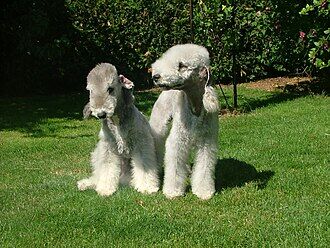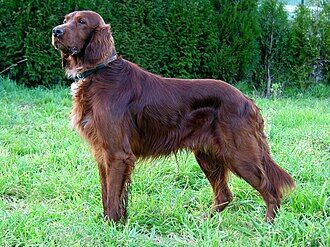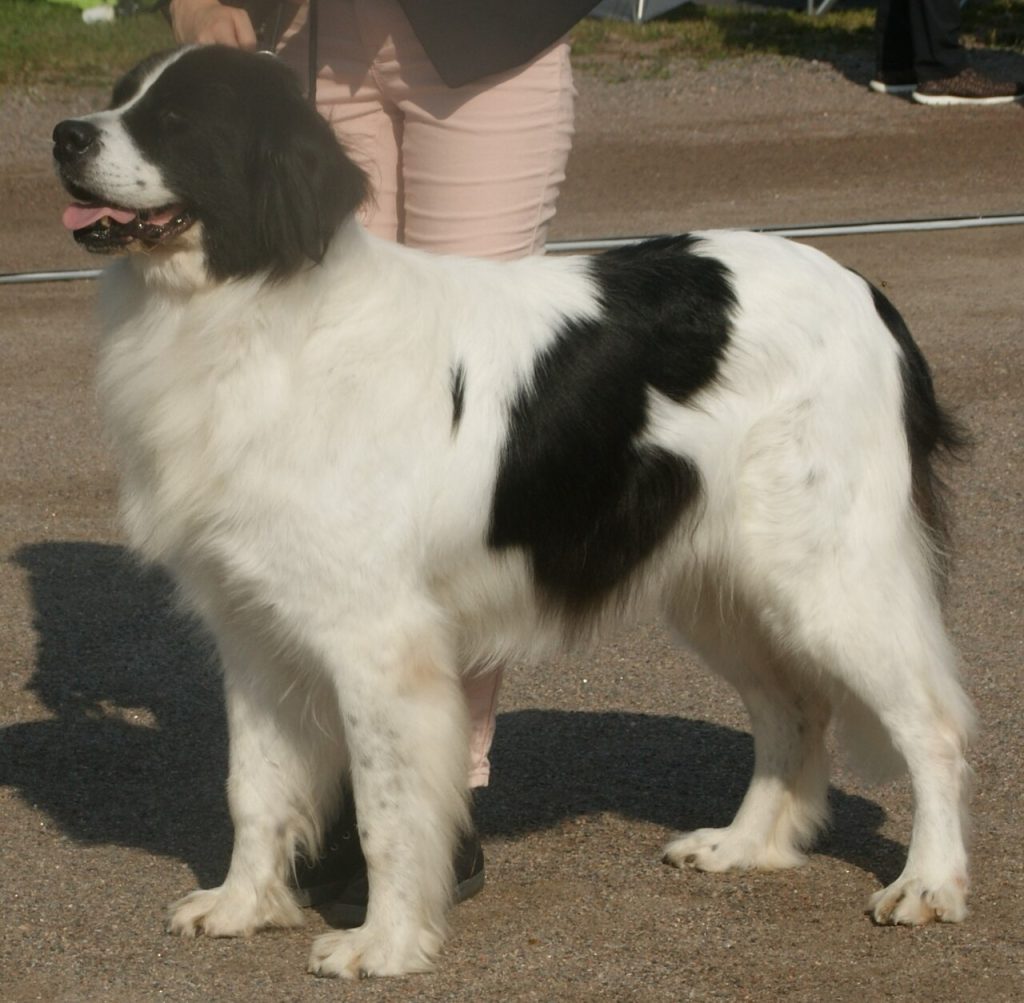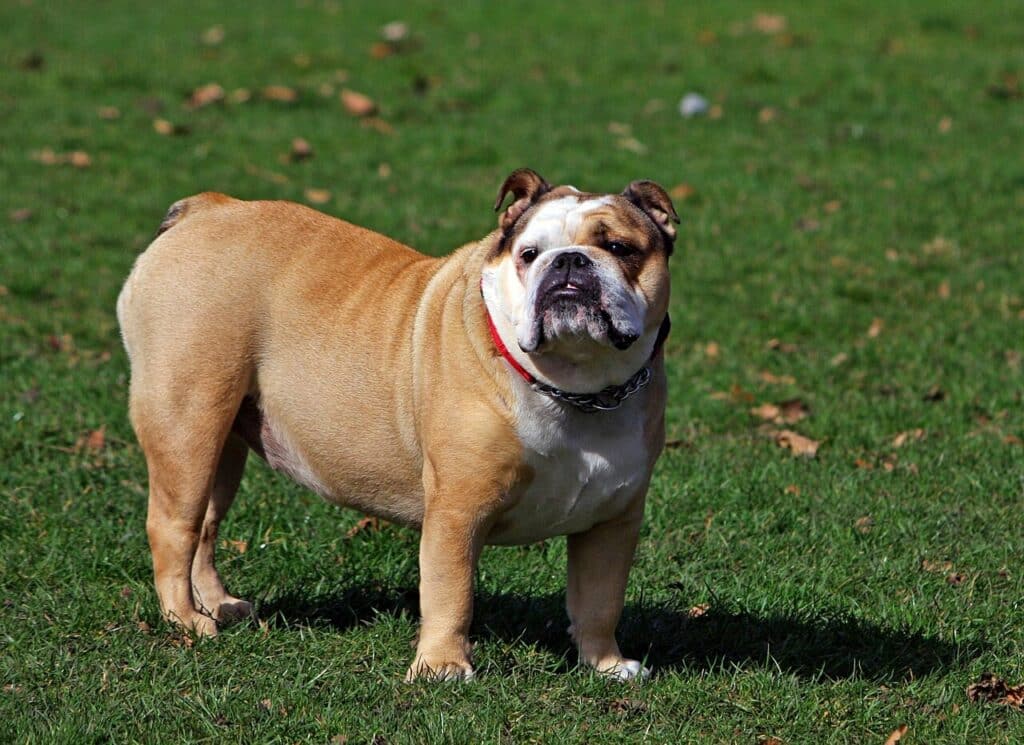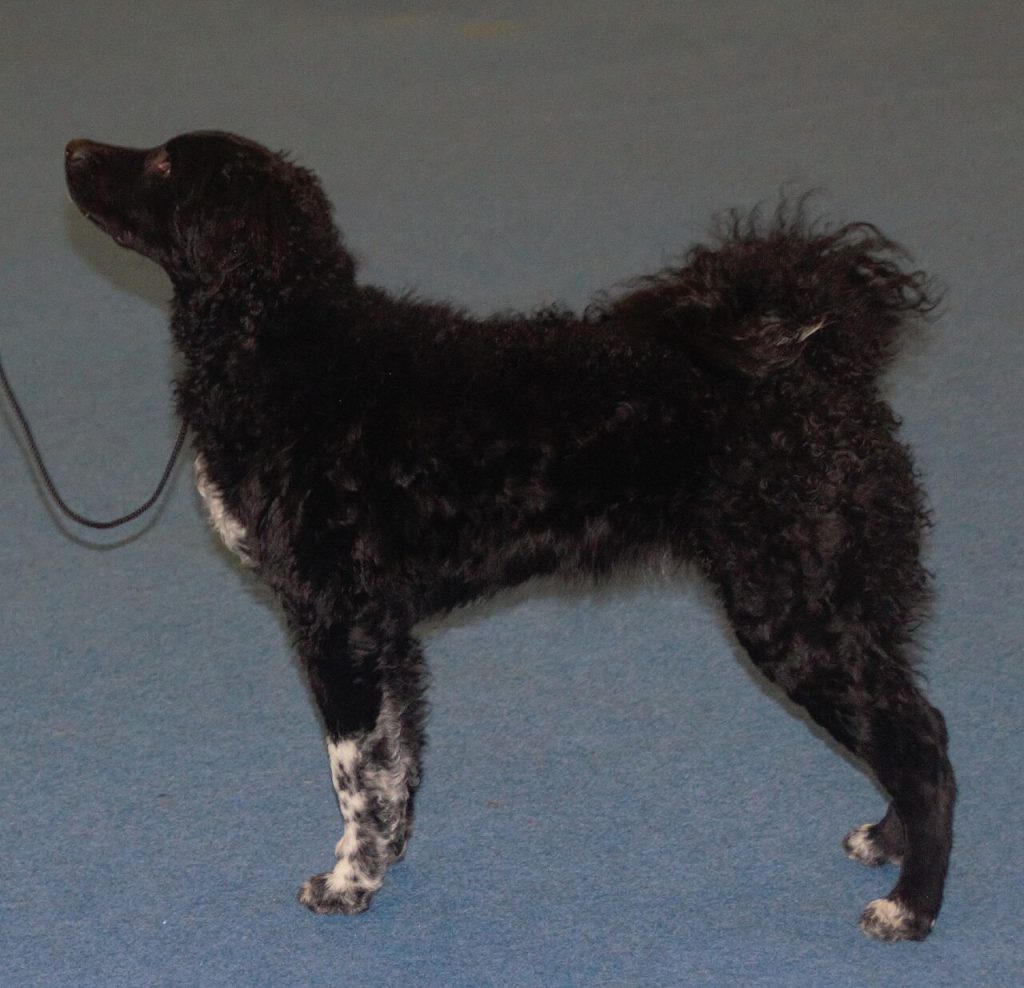
The Frisian water dog(Wetterhoun) is a hardy, rugged hunting dog from the canals, lakes and marshes of Friesland in the north of the Netherlands. For centuries he made his living retrieving waterfowl and chasing turtles and otters in cold water, and that’s where his character comes from: strong, independent, reserved with strangers and deeply loyal to his family. It’s not the easiest or most well-known dog, but for those looking for a serene guard, a tireless field mate and a rare breed with a true history, the Frisian Water Dog has a lot to offer.
Is the Frisian Water Dog for you?
The Frisian Water Dog is a niche breed, originally designed for a very specific job. That makes it wonderful for the right home and complicated for the wrong one. Before you fall in love with its curly coat, look in this mirror of pros and cons.
It suits you if…
- You want a natural guardian who warns without being aggressive.
- You live near the countryside or the water and you like outdoor exercise.
- You have experience with strong, independent dogs.
- You’re looking for a loyal partner, quiet at home and very attached to his family.
- You can make time for early and consistent socialization.
- You’re attracted to a rare, rustic, real working breed.
Think twice about it if…
- It’s your first dog or you’re looking for immediate, submissive obedience.
- You live in a small apartment with no access to space and daily activity.
- You can’t stand the humidity, the mud or the wet hair with the smell of water dog.
- You get a lot of visitors and you don’t want a dog that’s suspicious of strangers.
- You’re gonna leave him alone for hours every day.
- You prefer a docile dog to training with harsh methods: this breed does not tolerate it.

Character and temperament
The standard describes the Frisian Water Dog as reserved and calls it, bluntly, “the ideal watchdog”. And yet it is never aggressive: it enjoys the company of its own and with them is affectionate and serene.
It ‘s a strong will dog , but it ‘s good to understand the nuance: Strong doesn’t mean stubborn or disobedient on a whim. The Frisian Water Dog shows tenacity and a genuine desire to finish what he begins, no matter the challenge; he concentrates on what he considers his task and does not let it go. That determination, channeled, becomes an exceptional coworker; ignored, a dog that decides for itself.
It is also a sensitive dog. It should not be treated harshly or educated through punishments: it responds much better to trust, patience and consistency.
Coexistence: children, other pets, flat and loneliness
With children: well socialized from puppyhood and exposed to people, animals and different environments in its first months, the Frisian Water Dog is extremely tolerant. So much so, that the standard warns adults of the opposite of usual: you have to watch that children do not abuse their patient nature. It is a dog that endures a lot, and precisely because of that it deserves to be respected.
With other pets: is a hunting dog with instinct for small mammals and waterfowl, so coexistence with small pets (rodents, birds) requires caution.
On the floor: is not its natural environment. It can live indoors if it gets enough outings and exercise, but it is a rustic breed, made for the outdoors, which appreciates a garden and contact with water and the countryside.
Soledad: is very attached to his family, does not like to spend long days alone. His guardian abilities are based precisely on that attachment; a dog who is bored and feels abandoned can become barking or develop undesirable behaviors.

Education and training
With the Frisian Water Dog, it’s not optional training: its strong will and natural guardian instinct make early education essential. Starting early, with clear and consistent boundaries, prevents a lovely puppy from becoming an adult who imposes his own rules.
The key lies in the method. It is a sensitive breed that should never be trained with punishment or harsh hand; doing so blocks it and erodes confidence. Positive reinforcement works much better, short and varied sessions, and taking advantage of its natural desire to complete tasks. As a born collector, the games of bringing objects – on land and, especially, in water – are pure gold to motivate it.
The socializing is the other half of the job. A well-socialized Frisian Water Dog becomes tolerant and balanced; one who has not seen the world can prove overly suspicious. It is not a dog for first-time owners who seek easy obedience, but in patient and consistent hands it responds with remarkable reliability.
Exercise and activity
We are dealing with a medium-sized hunting dog with good endurance, bred to work for hours on rough terrain and in water. It needs abundant daily exercise: long walks, races, games of chance and, if possible, swimming, its element par excellence.
In addition to physical wear and tear, it appreciates the mental stimulation: tracking, charging tests, scent games, and work that gives it purpose. A Frisian Water Dog that works its body and head is a quiet, contented dog at home; a bored one will seek its own entertainment, and it will rarely be the one you would choose.
Care: fur and hygiene
The coat of the Frisian Water Dog is its most characteristic feature: thick and curly on the body, smoother and softer on the head, ears and legs. To the touch it is slightly greasy, and that greasiness is not dirt, but its natural system for repel the water. The texture should not be woolly, because woolly hair loses that waterproof ability.
Maintenance is relatively simple for a working dog: A regular brushing to untie the knots in the curls and remove the dead hair is enough on a daily basis. do not over bathe is suitable even with aggressive shampoos, so as not to drag the protective fat layer that serves it so well in the water. Check and dry your ears – dropped and stuck to your head – after each bath in lakes or rivers, as retained moisture promotes infections. Complete hygiene with regular nail trimming and dental cleaning.
Foodstuffs
As a medium-sized, active and muscular dog (25 – 35 kg), the Frisian Water Dog needs a complete and balanced diet, adjusted to its actual activity level.
He divides his food into two portions a day, controls his weight to prevent overweight – an enemy of his joints – and adjusts the amounts according to age, activity, and body condition. Puppies of this size should grow in a controlled manner, without excessive calories that force too rapid development.
Health and life expectancy
The Frisian Water Dog is a rustic and resistant breed, forged by generations of real work and not by fashion. Since they are few in number, their young are cared for carefully: the Dutch Breed Club (Nederlandse Vereniging voor Stabij- en Wetterhounen) maintains databases for evaluating pedigrees and calculating inbreeding coefficients, precisely to preserve health and genetic diversity in a small population.
As with all medium and large dogs, it is advisable to monitor the joints (hips and elbows) and, because of their droopy ears and their fondness for water, the ear infections. Regular veterinary checkups, a healthy weight, and choosing serious breeders who do the recommended testing are the best policy. With such care, it is a dog that usually enjoys a long and active life for its size.

Physical appearance
The Frisian Water Dog is a medium size, solid and rugged looking dog. It measures between 55 and 59 cm to the cross and weighs, as an adult, between 25 and 35 kg. Its construction transmits strength without heaviness, that of a water hunter able to withstand hard work.
The cloak is its hallmark: Curly and thick in the trunk, smoother on the head, ears and legs. It can be solid black, brown, or combinations of black and white or brown and white, with or without ticking or interlocking . The ears is low-insert and hangs flat and glued to the head; the tail is characteristically screwed over the back. A detail that distinguishes it from other breeds is its expression, somewhat severe or dark, due to the particular shape of its eyes: A serious look that’s part of her charm.
Origin and history
The first Frisian Water Dogs lived at least 400 years years ago in the Dutch province of Friesland. The breed is believed to have emerged from crossing dogs of Romani origin with an indigenous Frisian dog, perhaps the now extinct “Old Water Dog”.
They were dogs for hard and dangerous work: hunting in the water of turtles and otters, in addition to collecting waterfowl. They also served as guard dogs, a role that their character retains intact today.
The breed was on the brink of extinction during World War II, but a group of enthusiasts managed to recover it with a careful breeding, and since then it has been gaining fans. Today it is internationally recognized by the International Kennel Federation (FCI, no. 221), within the group 8 water dogs section; the United Kennel Club includes it among the sample and collection dogs. It’s still a rare breed, promoted as a rare pet for those looking for something different.
Curiosities
- Its name is pure Frisian geography: Wetterhûn= “water dog” in West Frisian.
- He hunted otters and turtles in the water., a job as difficult as it was dangerous that forged his stamina and spirit.
- Her greasy hair is not sloppy: that greasy layer is a natural raincoat that allows you to work in cold water without getting wet to the skin.
- “The perfect watchdog”: is defined as such by its own standard, despite not being an aggressive dog.
- Shares club with the Stabijhoun, another Frisian rarity; both breeds are managed together in the Netherlands to care for their small population.
- Almost lost in the war: survives thanks to the stubbornness of a handful of postwar breeders.
If the hardworking, water-loving nature of the Frisian Water Dog has won you over, you may be interested in other similarly-minded water and poultry breeds. Check out the Labrador Retriever, undisputed king of charging in water; the Golden Retriever, friendly and versatile charger; the versatile Caniche, whose origin is also linked to water; or the energetic Vizsla, another sensitive hunting dog that needs company and activity.
Frequently Asked Questions about the Frisian Water Dog
Is the Frisian Water Dog aggressive?
No. He is reserved with strangers and a natural guardian, but never aggressive. With his family he is affectionate and balanced. His guardian instinct is based on distrust, not hostility, and good socialization makes him very tolerant.
Is he a good dog for families with children?
Yes, if he’s been well socialized since puppyhood he’s extremely tolerant of children. In fact, his standard recommends watching that little ones don’t abuse his patience, precisely because he can take a lot.
How much exercise do you need?
It is a hardy hunting dog that requires long walks, runs, charging games and, if possible, daily swimming. It also needs mental stimulation.
Is it hard to train?
It has a strong will, so it requires early and consistent training and socialization. It is not stubborn on a whim, but it is sensitive: you have to avoid harshness and punishment, and use positive reinforcement. It is not the ideal breed for a first-time owner.
How tall and how much does a Frisian Water Dog weigh?
It measures between 55 and 59 cm at the withers and, as an adult, weighs between 25 and 35 kg.
Does your hair require a lot of care?
A regular brushing of the curls is all that is needed, not too much bathing to remove the greasy layer that makes the coat waterproof, and thorough drying of the ears after bathing in water to prevent infection.
Can he live in a flat?
It may, but it’s not their ideal environment. It’s a rustic breed designed for the outdoors. If it lives in a flat, it needs frequent outings, plenty of exercise and companionship, as it doesn’t take long solitude well.
Where did the Frisian Water Dog come from?
From the province of Friesland, in the north of the Netherlands, where it has lived for at least 400 years. It was used to hunt otters and turtles in the water and to collect waterfowl.