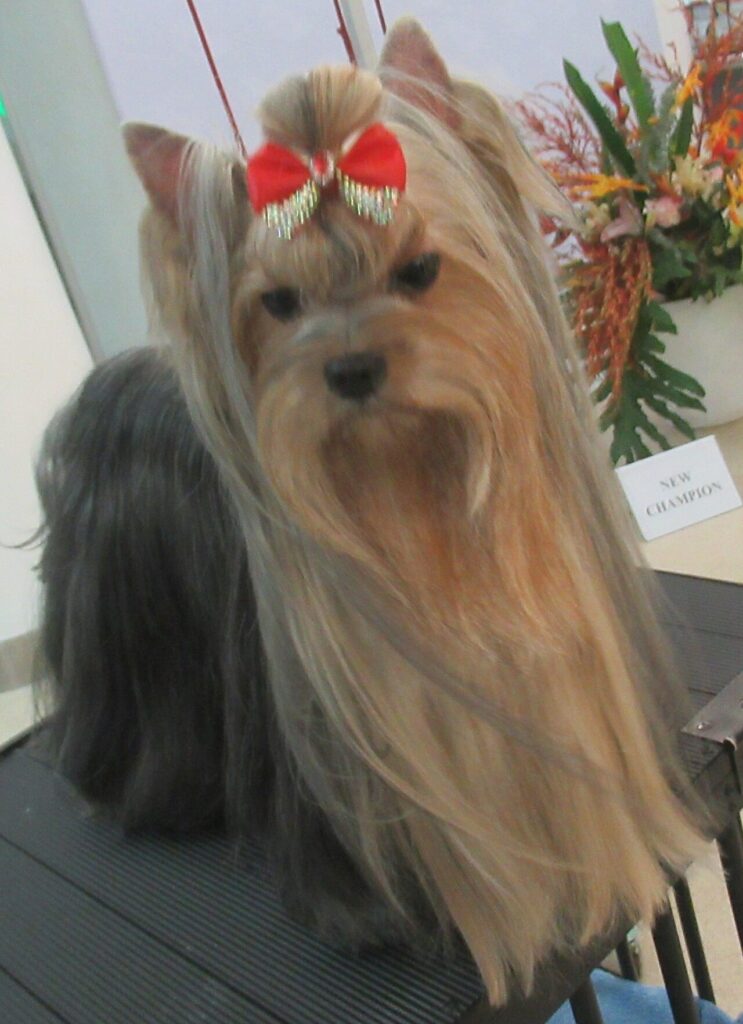
The Yorkshire Terrier is one of the most recognizable companion dogs in the world: Tiny, long-haired and silky in shades of steel and fire blue, but with a terrier character that surprises the first-time viewer. Behind that picture of a purse-dog is a rat-hunter born in the factories of northern England, brave, sober and very close to his family. In this guide, we take a closer look at what the real Yorkshire Terrier looks like: their character, their care, their health and everything you need to know before you share your life with one.
Is the Yorkshire Terrier for you?
The Yorkshire Terrier fits into many homes because of its tiny size and its devotion to family, but it is not the “easy” dog that some imagine. It is a small-bodied terrier: barking, determined and with a strong personality.
In favour .
- Minimum size: ideal for flats and for living in the city.
- Very close to his family and excellent company.
- Wise, brave and a perfect alarm dog.
- It sheds very little hair and is considered hypoallergenic.
- Smart and quick learner with a steady owner.
- Long life expectancy for a dog.
To be taken into account
- It tends to bark and warn of anything that moves.
- Long hair requires brushing almost daily.
- Fragile: A fall or a rough play can injure you.
- He is stubborn; he needs early and firm training.
- Digestive system and delicate teeth.
- Watch out for the teacup or mini fashions, full of problems.
Character and temperament
The Yorkshire Terrier is proof that size does not define character. Despite weighing just over ten pounds [3 kg], it retains intact the courage and tenacity of the terrier, the family of dogs for whom hard work was never a problem. He’s active, curious and loves to be the center of attention. Don’t expect him to have the placid, dependent temperament of a classic lap dog: The Yorkshire was bred to hunt rodents on its own, without human help, and that has left it an independent and resolute vein.
With his people he is affectionate, sociable and very sociable with all kinds of people. He likes to participate in what the family does and demands his share of pampering and play. That same self-confidence sometimes makes him act like a much bigger dog than he is: The plant faces large dogs without measuring the danger, something the owner must control to avoid scares. On Stanley Coren’s IQ scale, he ranks 27th, which puts him at a remarkable learning level when he’s well educated.
The most important trait to keep in mind is its tendency to bark. The Yorkshire warns of any noise or visitor, which makes it an attentive keeper despite its size.
Coexistence: children, other pets, flat and loneliness
- With children: enjoys family, but its fragility requires caution. It is a dog that is easily injured if it is caught wrongly, squeezed or falls to the ground. It fits better with older children who understand how to treat such a small dog than with babies or very mobile children.
- With other dogs: usually gets along well if socialized, although its brave nature leads it to challenge much older dogs.
- With other pets: remembers that it is a rat hunter; with small rodents it can awaken its prey instinct.
- On the floor: is one of the most adapted dogs to apartment life for its size. The only thing to watch out for are the barks, which can disturb the neighbors if not worked on.
- In the face of loneliness: is very attached and it is not good to be alone for too many hours. If you spend the day without company you may develop separation anxiety and barking. It is not the best choice for someone who is away from home all day.
Education and training
The Yorkshire Terrier is intelligent and capable of learning a lot, but it drags the independent and somewhat stubborn character of the terrier. The key is consistency: If the owner is firm and consistent, he responds very well; if he lets him do what he wants “because he is small”, he will take advantage of every gap. The most common mistake with this breed is the so-called small dog syndrome, which means tolerating behaviors (jumping at people, growling, barking wildly, ordering around the house) that would never be allowed to a large dog.
Positive reinforcement, with rewards and play, works wonderfully. Short, entertaining sessions feel better than long, repetitive ones. There are two fronts to prioritize from a puppy: early socialization with people, dogs, noises and varied environments, and barking control, teaching him to be quiet to order. Learning to defecate sometimes requires patience, in part because your bladder is tiny; it helps to establish clear routines and, if you use a soak, to keep it in the same place.
Exercise and activity
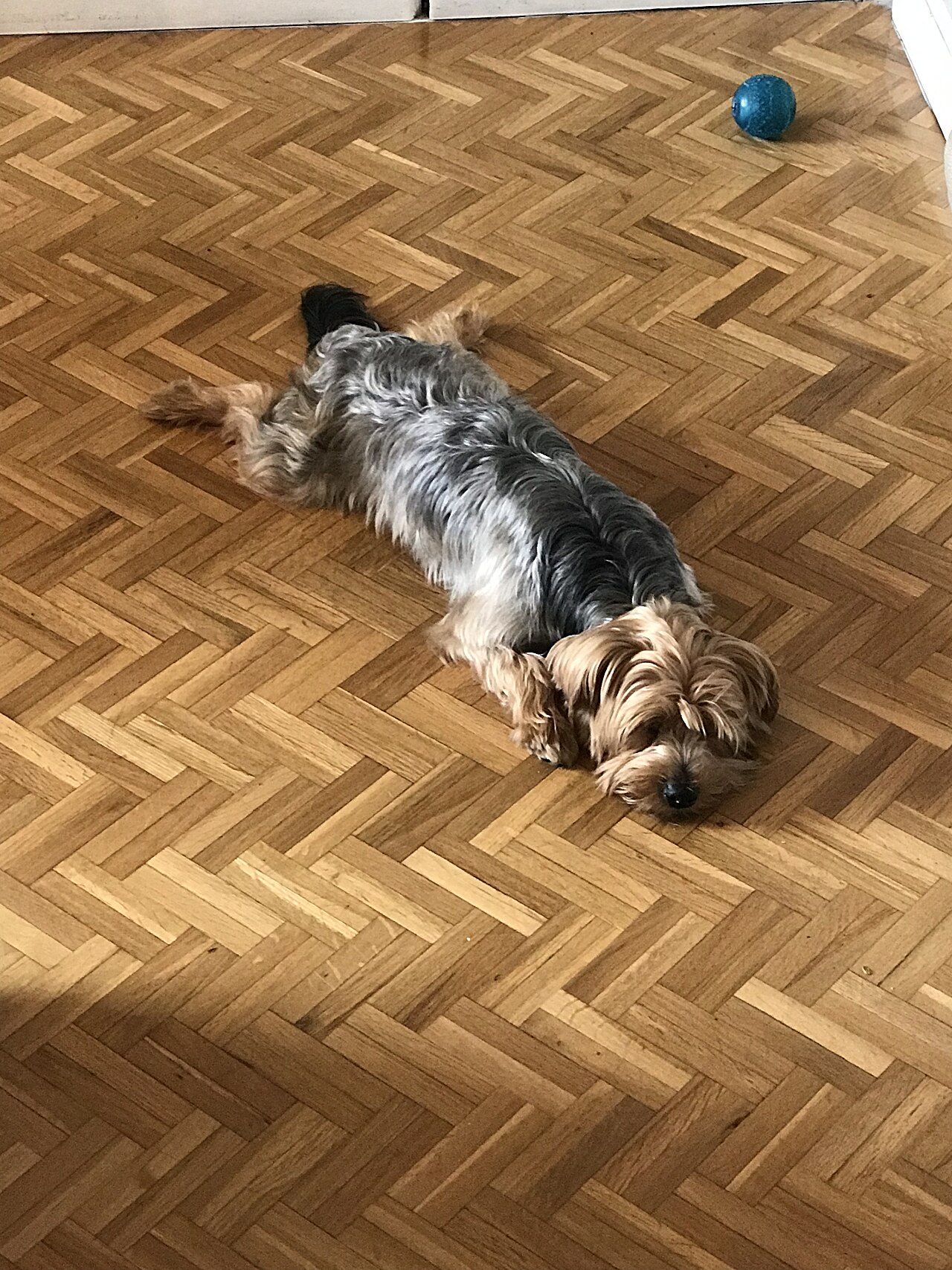
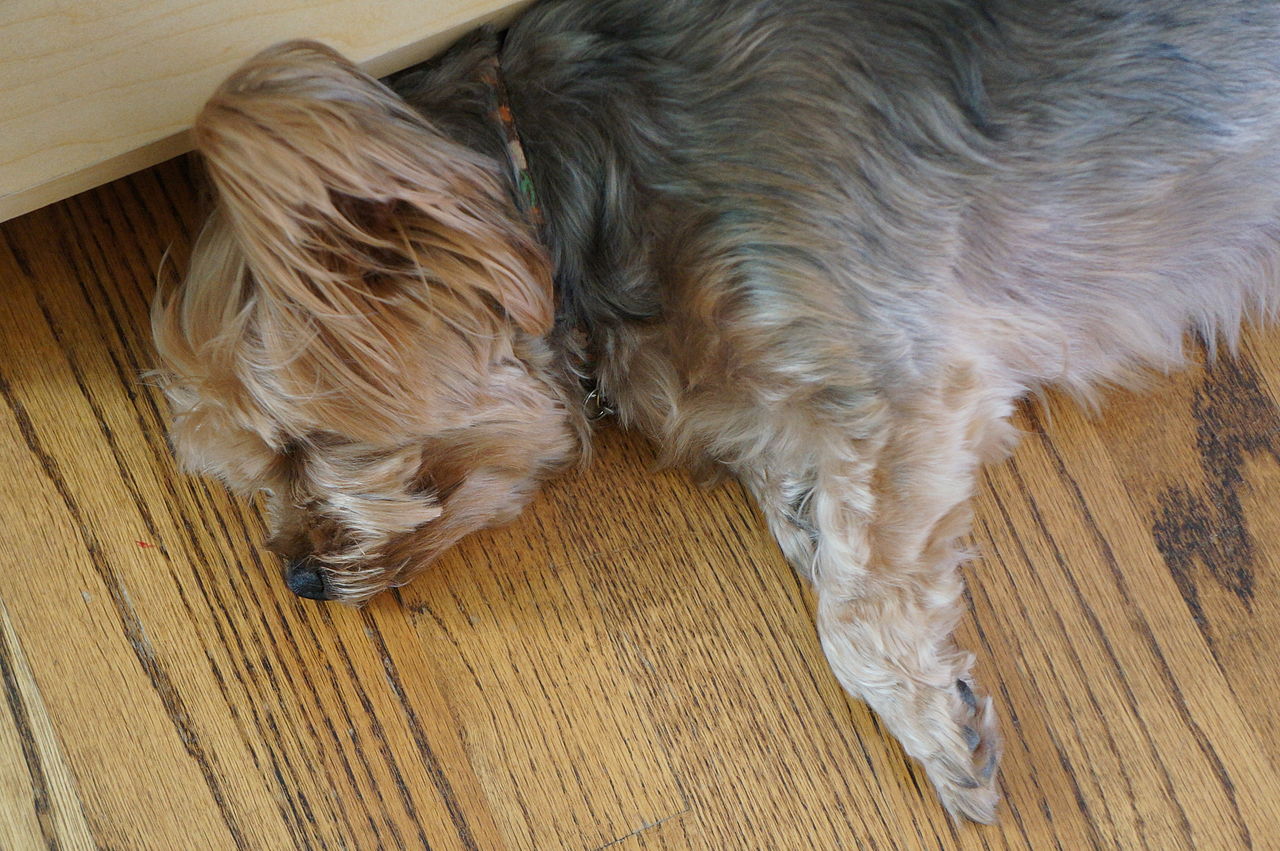
The fact that a Yorkshire Terrier is small does not mean that it is sedentary. It is energetic and needs exercise commensurate with its size and physical condition: a couple of daily walks, some home games and some mental stimulation are enough to keep it balanced. A bored Yorkshire channels that excess energy into barking, biting, and mischief.
He enjoys search games, interactive toys, and small olfactory challenges, which tap into his hunting instinct. Of course, the exercise should be adapted to your fragility: Beware of jumping from the couch or bed, stairs, and playing too rough, because your light skeleton will suffer. On cold days it appreciates shelter, since its body often loses heat easily.
Care: fur and hygiene
The hair is long, fine, smooth and silky, similar to human hair, without woolly undercoat. This texture has an advantage: it hardly shaves and loosens very little hair, which has made it included among the hypoallergenic coat breeds.
If the long coat is kept exposed, it must be brushed daily and subjected to intensive maintenance; traditionally, breeders protected the hair with papers and oils so that it would not break. Most families opt for a shorter, much more comfortable pet haircut that only requires frequent brushing and regular visits to the canine hairdresser. The bath is done every few weeks with soft products. It is advisable to check and clean the hair around the eyes and trim the ears and pads.
Due to their size, dental hygiene is especially important: small breeds accumulate tartar easily and lose parts prematurely, so brushing teeth should be part of the routine.
Foodstuffs
The Yorkshire Terrier needs a quality food formulated for small breeds, with croquette size suitable for its tiny mouth and a good energy supply, because its metabolism is fast.
It ‘s a breed with a delicate digestive system: Sudden changes in food or leftovers from the table can easily cause vomiting or diarrhea, so it’s best to maintain a steady diet and avoid out-of-the-box whims. Watch the weight: In such a small dog, a few extra grams make up a huge percentage of its body and overload joints and heart. Water always clean and available.
Health and life expectancy
The Yorkshire Terrier is generally a long-lived dog with an above-average life expectancy: Various British, Italian and Japanese studies place their longevity at around 13 to 14 years on average, and specimens within the standard weight range can easily reach 15 years or more with good care. Even so, the breed has a predisposition to certain problems that are worth knowing.
Among the most common conditions are bronchitis, lymphangiectasia, portosystemic shunt, cataracts, and dry keratoconjunctivitis. In addition, they often have a sensitive digestive system and, because of their small size, a worse tolerance to anesthesia, something that the veterinarian will take into account in any intervention. Being so frequent, it’s also more vulnerable to injury from falls or bumps. Other common problems in mini dogs are kneecap dislocation and dental disease.
A separate chapter deserves the misnamed Yorkshire “teacup” or mini. Neither the FCI nor the official clubs recognize that term: is a commercial claim to sell dwarf specimens, obtained by crossing the smallest and weakest dogs. Health problems (luxation of the kneecap, heart failure, hydrocephalus, hypoglycemia, open fontanels, convulsions) and the life of the animal are shortened below 2 kg. If you’re looking for a Yorkshire, run from whoever sells it to you as a teacup.
Physical appearance
The Yorkshire Terrier is one of the smallest dogs in existence. The standard sets a maximum weight of about 3.2 kg, without a specific minimum, and a compact body, with straight lines and an upright and elegant bearing that, according to the British club, conveys a certain air of importance. Interestingly, the original Yorkshire of the factories was considerably larger, about 6 or 7 kilos; its reduction in size is due to selection over time.
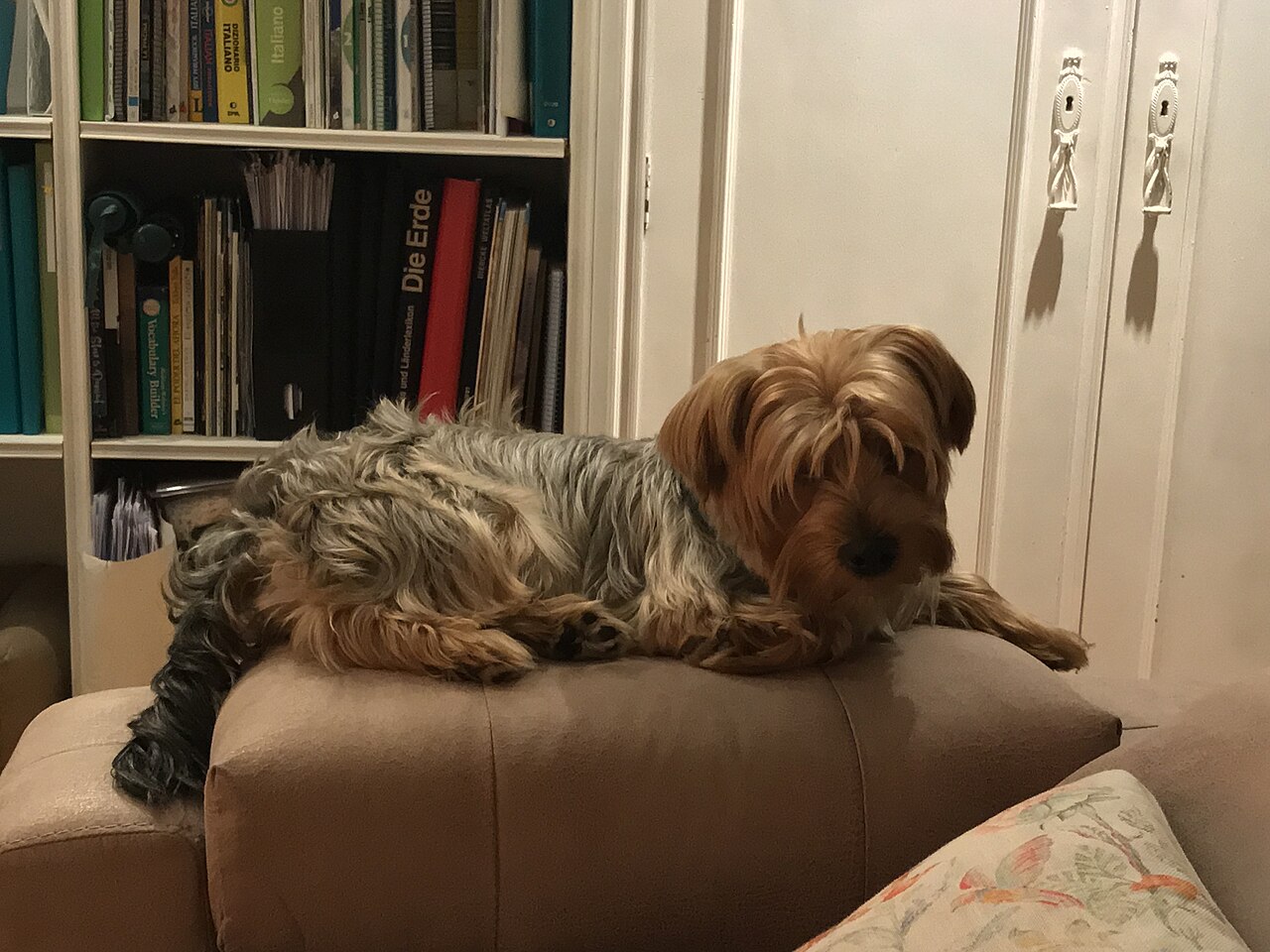
The most distinctive feature is its mantle. The hair is long, perfectly smooth, fine and silky, with a strip running along the back from the head to the tail. The color is very precise: Dark steel blue from the back of the neck to the base of the tail, and a bright fire (toasted) tone on the head, chest and legs, darker at the root and lighter at the tips. Interestingly, the cubs are born almost black with fire marks, and the definitive blue color can take up to three years to settle. No other colour combinations are accepted in the FCI or Kennel Club standard. The breed is classified within FCI Group 3 (Terriers), in the toy-type terriers section.
Origin and history
The Yorkshire Terrier was born in the 19th century in northern England, in the counties of Yorkshire and Lancashire, from which it takes its name. It was not a dog of the aristocracy, but of the working class: The mill workers and the cotton and wool factories bred it to kill the rats and other rodents that infested the workshops and homes. Many of these workers had come from Scotland, bringing with them various types of terrier.
From that mixture came the race. Their ancestors include dogs such as the Paisley Terrier (a smaller version of the Skye Terrier, bred for its long silky hair), the Clydesdale Terrier and the waterside terrier; some authors also point to the Maltese. Documents from the time are scarce, in part because, as a breeder acknowledged in 1886, the workers who gave rise to the breed were not accustomed to leaving anything in writing.
The turning point came in the late 1860s with a show dog named Huddersfield Ben, owned by Mary Ann Foster. He is considered the “father of the breed”: Through his descendants he set the type for the modern Yorkshire. The official name of the breed was adopted in 1870. It soon became fashionable in Victorian England as a companion and exhibition dog, crossed the Atlantic to North America (where it was registered with the AKC in 1885) and, over time, became one of the most popular dogs in the world. The story of Smoky, a Yorkshire puppy who became famous as a pet during World War II, helped revive interest in the breed.
Curiosities
- From squirrel to parlor dog: started out chasing rodents in factories and ended up being one of the most glamorous companion dogs in the world.
- The father of the dissected breed: After his death, Huddersfield Ben’s body was preserved in a showcase so that people could continue to see the breed’s most famous dog.
- A war heroine: Smoky accompanied soldiers in World War II and is considered one of the first therapy bitches.
- The smallest in the world: a Yorkshire named Lucy was listed in the Guinness Book of Records as one of the smallest dogs ever recorded.
- Almost human hair:‘s coat looks more like a hair than a canine coat, which explains why it changes so little.
- Blood of champions: has contributed to the development of other breeds, such as the Australian Silky Terrier, and fashionable crosses such as the Yorkipoo.
If you are drawn to the world of small, personable dogs, you may be interested in comparing the Yorkshire to other breeds of similar size. Check out the Chihuahua, another tiny one with a huge personality; the spectacular Pomerania; the serene Shih Tzu; or, if you like terrier spirit, the West Highland White Terrier.
Frequently Asked Questions about the Yorkshire Terrier
How long does a Yorkshire Terrier live?
It is a long-lived dog. Several studies place its average life expectancy at around 13 or 14 years, and specimens within the standard weight and well-cared for often exceed 15 years.
How much does an adult Yorkshire Terrier weigh?
The standard of the breed marks a maximum weight of about 3.2 kg, with no minimum set.
Does the Yorkshire Terrier shed a lot of hair?
It sheds very little hair, as its coat is fine and silky and barely muddy, which is why it is included among the hypoallergenic fur breeds, although no breed is 100% free of allergens, because dandruff and saliva can also cause reactions.
Does the Yorkshire Terrier bark a lot?
Yes, it tends to bark and warn of any noise or visitors, making it a good alarm dog.
Is he a good dog for children?
It is affectionate and enjoys family, but its fragility requires prudence: it is easily injured if it is caught wrongly or falls.
What’s a Yorkshire teacup or mini?
It is a commercial claim, not a recognized variety. It designates dwarf specimens under 2 kg, obtained with unethical crosses and associated with numerous health problems.
How much exercise does a Yorkshire Terrier need?
He’s energetic for his size – just a couple of daily walks, some home games, and some mental stimulation – and if he gets bored, he unleashes the excess energy by barking or doing mischief.
Is it hard to educate?
It is intelligent and quick to learn, but has the independent and somewhat stubborn character of a terrier. With positive reinforcement, short sessions and, above all, constancy and consistency, it responds very well.