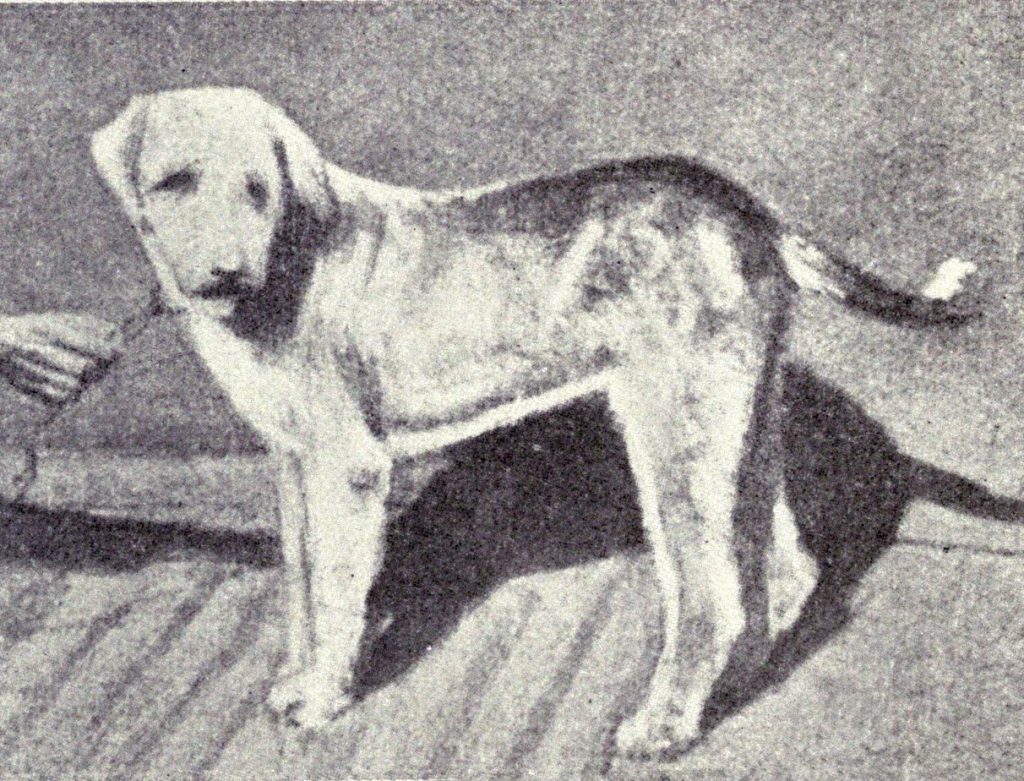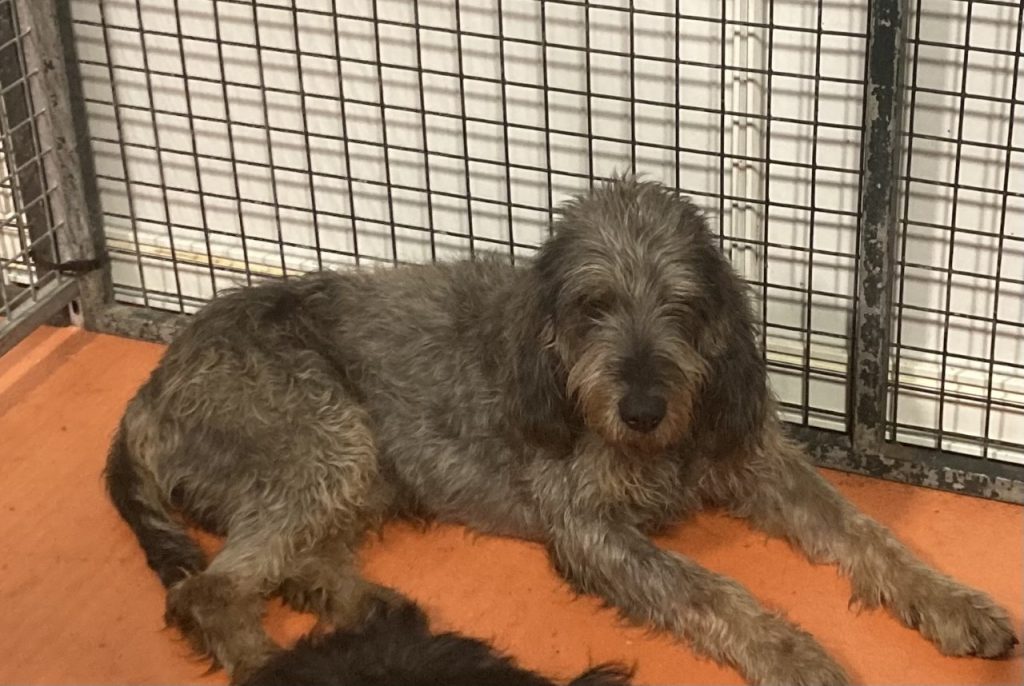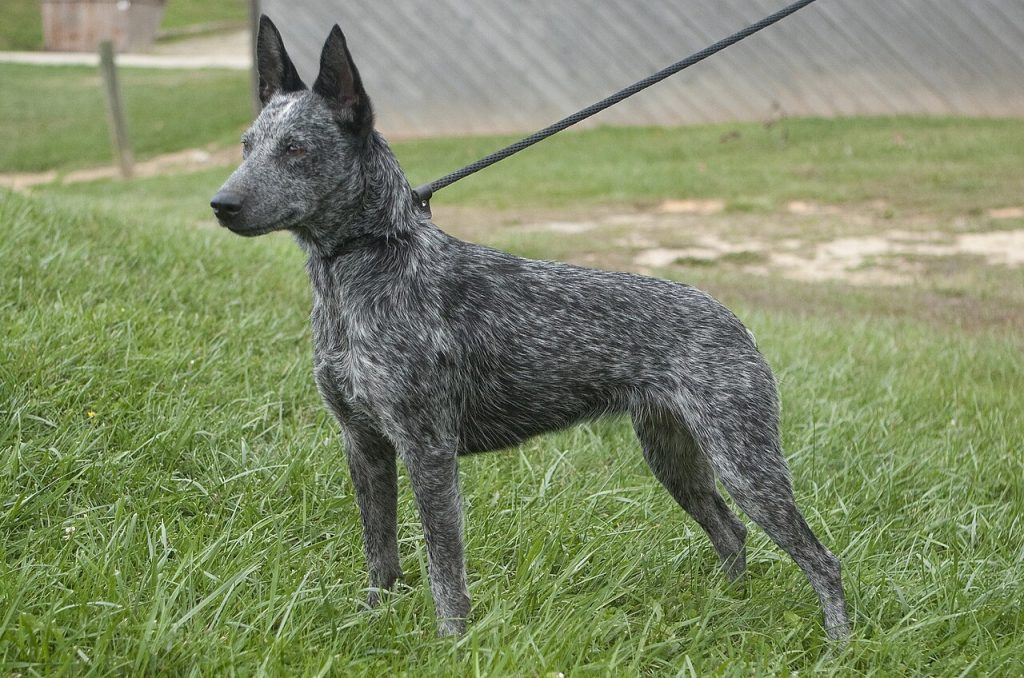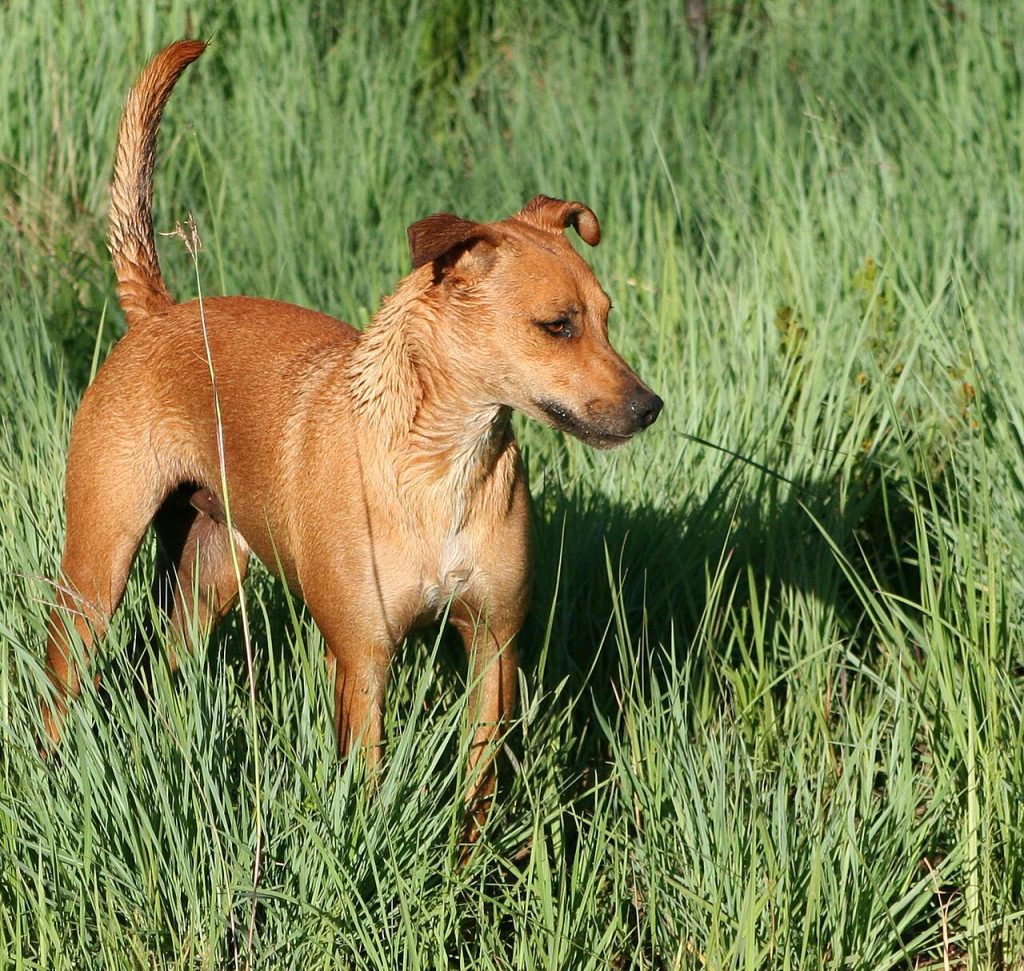
The Africanis is the original dog from Africa: an indigenous breed from the south of the continent that was not born on a breeding table, but from thousands of years of natural selection near villages. Medium, slender, and short-haired, the Africanis brings together the best of a functional dog – iron health, intelligence, and a balanced character – without the hereditary burdens of many modern breeds. If you’re looking for a rustic, loyal, low-maintenance companion, this is one of the most fascinating dog stories out there.
Is the Africanis for you?
The Africanis is a dog who values authenticity over pedigree. It’s not a show dog or a recent design: It’s the result of Africa itself molding its dog for centuries. This makes it a healthy, alert, versatile animal, but also one that retains strong instincts and demands activity. Before you fall in love with his story, see if it fits into your day-to-day life.
In favour .
- Exceptional health and natural parasite resistance.
- Under maintenance: short hair, no special care.
- Intelligent, docile and eager to please: easy to educate.
- Balanced and good with children; good warning.
- Athletic, agile and tough for track and field.
To be taken into account
- He needs real daily exercise; he’s not a couch dog.
- Territorial and vigilant: requires early socialization.
- Rare outside southern Africa; hard to find.
- It retains hunting and pursuit instinct.
- It is not a standardized breed: there is variability from one specimen to another.
Character and temperament

The Africanis has a reputation for being affectionate, intelligent and good-natured, but not soft. It is an animal that is strongly attached to its family and that shows a natural desire to please, which is surprising in such a poorly “manufactured” breed. Johan Gallant, president of the Africanis Society, described it as a wonderful pet guided by an instinct of submission that conquers without you even realizing it.
Alongside that sweetness, there’s an independent, territorial side. It is a village dog, used to watching its surroundings and warning of the strange, so it displays an attentive behavior, typical of guard breeds, without falling into gratuitous aggressiveness. Well socialized, he is a stable companion: Loving on the inside, alert on the outside. That blend of affection, judgment, and autonomy is just what you’d expect from a dog that’s had to think for itself for generations.
Coexistence: children, other pets, flat and loneliness
As a family dog, the Africanis works very well. It is considered good with children and fits naturally into domestic life, where it is calm and close. Its watchful instinct makes it a good warner, provided it is taught from puppyhood to distinguish the everyday from the really abnormal.
With other pets, socialization is key. Accustomed to living in groups in villages, it usually tolerates other dogs well, but retains a chase instinct, so careful introductions with cats or small animals are appropriate. As for the floor, it’s not their ideal habitat: He’s an athletic dog who gives his best with space and exits. He can live on the floor if he gets plenty of exercise, but he appreciates a garden or frequent access to the countryside. It tolerates loneliness better than many dependent breeds – it is a self-sufficient dog – although no dog should spend the whole day alone without stimulation.
Education and training
This is where Africanis shines. It combines independence with intelligence and a desire to please, an equation that makes it distinctly trainable. It responds much better to positive reinforcement — rewards, play, voice — than to imposition, and it learns quickly when it understands what’s expected of it.
It is advisable to start early with socialization: expose him to people, dogs, noises and various situations so that his territoriality is expressed in a healthy way. Clear and consistent rules feel good; harsh punishments, no. With consistent management, the Africanis goes from being a dog of instincts to a reliable companion who understands his place in the family without stopping thinking for himself.
Exercise and activity
The Africanis is slender, agile, flexible and capable of great speed. It is no accident: for centuries it helped to herd sheep, goats and cattle, guarded against predators and accompanied in the hunt.
Ideally, offer long walks, jogging, and daily play, as well as mental challenges that occupy your mind. It fits wonderfully in dog sports, hiking or any outdoor activity that combines physical exertion and bonding with your guide. A spending Africanis is a balanced, quiet dog at home; one who is bored may become restless or seek undesirable ways to entertain himself.
Care: fur and hygiene

The Africanis has short, smooth, body-tight hair that hardly requires maintenance: a weekly brushing is enough to remove the dead hair and keep the coat shiny.
Baths should be the right ones, only when you get really dirty, so as not to alter your skin’s natural protection. The rest is basic dog hygiene: Check and clean your ears, watch your nails and take care of your teeth. Because of its hardiness, it tolerates the weather well and rarely causes skin problems. All in all, it’s a minimal-maintenance dog, designed by nature to function without assistance.
Foodstuffs
The Africanis is not picky about food. One of its hallmarks is that it does not require a special diet: it thrives on a complete and balanced diet, adapted to its average size, age and activity level. For such an athletic dog, the important thing is to adjust the rations to the actual exercise it does, avoiding both lack and overweight.
Since it is a rugged breed with a good metabolism, it usually makes good use of food. Clean water is always available, meals are distributed and weight control by eye and touch are the guidelines that work best for it.
Health and life expectancy
Health is probably the Africanis’ greatest gift. Having been trained by natural selection and not by aesthetics, it is a consistently healthy dog that does not carry the list of hereditary diseases of many highly selected breeds. In fact, it has developed a natural resistance to both internal and external parasites, something extraordinary in the canine world.
He does not need special care or food to stay fit. Like any dog, it appreciates your vaccinations, deworming, and routine veterinary checkups, but its basic robustness makes it a long-lived companion with few medical surprises. That fortress is precisely what the Africanis Society wants to preserve: A functional, healthy dog, not a catalog of physical traits.
Physical appearance
The Africanis is a medium-sized and lightly built dog, slightly longer than tall, muscular and with clean lines. Its height usually ranges between 50 and 62 cm at the withers.
The hair is short and can be almost any color or combination, being frequent the leonado, brown, atigrado and black with white spots. A distinctive detail – possibly primitive – is a black spot on the upper and outer part of the tail, where the wild wolf has the tail gland, in addition to the typical dark area on the snout. Occasionally an inverted ridge of hair appears on the back, just like in the Rhodesian Ridgeback. Its beauty is not in the ornament, but in the simplicity and functionality of a body designed to move.
Origin and history

The history of the Africanis is that of the African dog itself. Its roots go back to the dogs of ancient Egypt present in the Nile Delta about 5,900 years ago. With human migrations, its descendants spread across the continent: first through the Sahara and, finally, to southern Africa around the 6th century AD. There they were forever linked to human settlements.
For centuries, this dog accompanied the peoples of southern Africa by helping to herd cattle, guarding against predators, and collaborating in hunting. It is known by many names depending on the region and language: Zulu dog, Khoikhoi dog, Tswana dog, kasi dog or whoa whoa whoa.(“traditional dog” in Swahili), among others.
Often despised by European settlers, who preferred their imported breeds, the Africanis came close to being diluted. To prevent this, in 1998 the Africanis Society of Southern Africa was founded in South Africa, with a clear objective: to protect, preserve and promote it as an indigenous breed, avoiding fragmentation into different breeds based on physical characteristics. The KUSA recognizes it today as an emerging breed.
Curiosities
- His name is a play on words: Africanis combines “Africa” and the Latin dogs(dog). It is literally “the dog of Africa”.
- He ‘s not a pariah dog . although some label it as such, the term is inaccurate. The Africanis has always been linked to people, it is not a dog without an owner.
- Natural resistance to parasites: natural selection has given it defenses against internal and external parasites that many modern breeds do not have.
- The tail stain: that black mark on the top of the tail matches the position of the wolf’s tail gland, a nod to its primitive origin.
- Philosophy of conservation: the Africanis Society prefers to keep it as an autochthonous type rather than turn it into a pure pedigree breed, so as not to lose its health and functionality.
If you are attracted to the Africanis’ profile – athletic, rustic and of primitive roots – you may want to compare its character to that of other related breeds: the fast Greyhound with which it shares a slender silhouette, its smaller relative the Whippet, or energetic and versatile working dogs such as the Vizsla and Pointer.
Frequently asked questions about Africanis
Is the Africanis an officially recognized breed?
Not in the classical sense. The Africanis is an indigenous breed (landrace), a dog that has formed alone, by adaptation to the environment and with very little deliberate human selection. The Kennel Union of Southern Africa (KUSA) recognizes it as an emerging breed and the Africanis Society of Southern Africa, founded in 1998, works to preserve it as an autochthonous type rather than turning it into a pure pedigree breed. It’s not recognized by the FCI.
Is he a good family dog?
Yes. It is described as affectionate, intelligent and of balanced character, with a natural desire to please its people. It usually gets along well with children and fits well as a house dog, without losing a point of vigilance and territoriality that also makes it a good warner.
Is the Africanis a healthy dog?
Centuries of natural selection have produced a very rustic dog that requires no special care or feeding and has developed remarkable natural resistance to both internal and external parasites.
How tall and how much does an Africanis weigh?
It is a medium-sized, lightly built dog, usually between 50 and 62 cm in height at the withers.
What colors can it be?
A distinctive feature is a black spot on the upper and outer part of the tail, where the wolf has the caudal gland, and sometimes a dark spot also appears on the snout. Occasionally it emerges with an inverted ridge of hair on the back, like the Rhodesian Ridgeback.
Is it easy to educate?
It’s quite independent, but it’s also intelligent and eager to please, a combination that makes it very trainable. It responds better to positive reinforcement than to harsh methods. The key is early socialization and channeling its territorial instinct consistently.
Do you need a lot of exercise?
Yes. It is agile, flexible and capable of great speed, the result of its past as a village dog that shepherded, watched and hunted. It appreciates long walks, runs and daily play. An Africanis with sufficient activity is a quiet companion at home; a bored one will look for something to occupy.
How is it different from the Rhodesian Ridgeback?
They share roots in southern Africa and, occasionally, that back ridge of inverted hair, but the Ridgeback is a standardized, larger breed, while the Africanis is an indigenous, lighter, more variable breed that retains the type of the traditional African dog without having gone through strict pedigree selection.