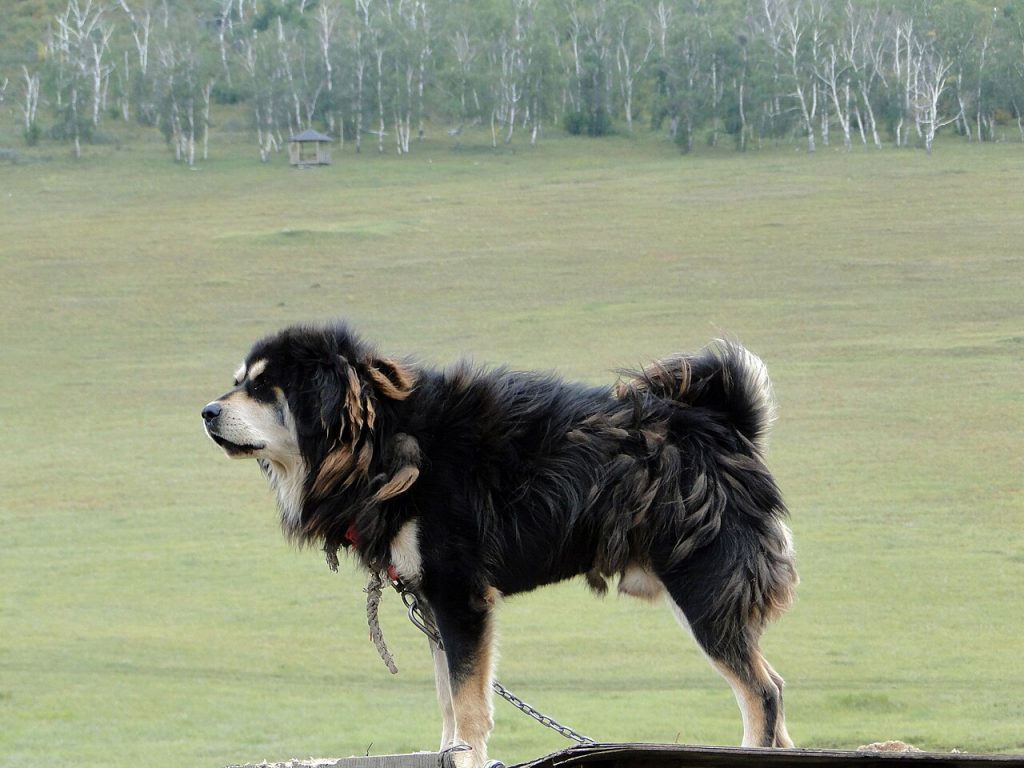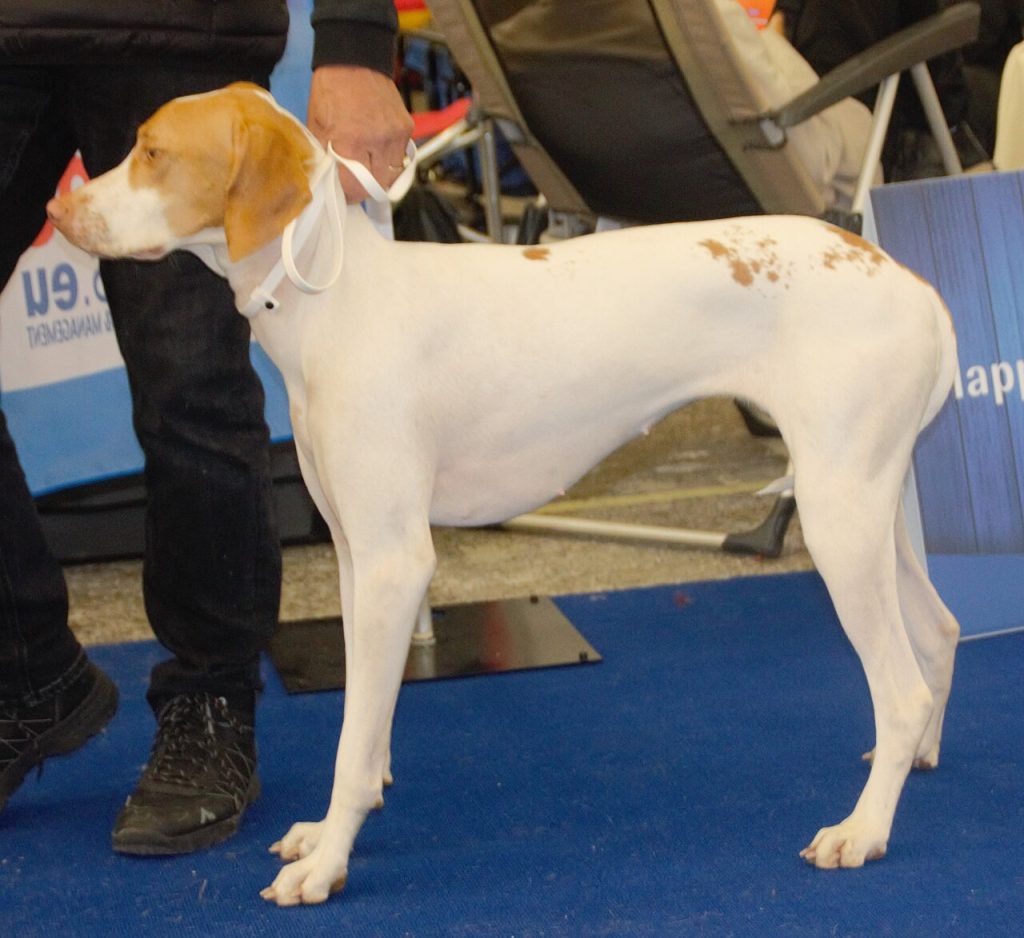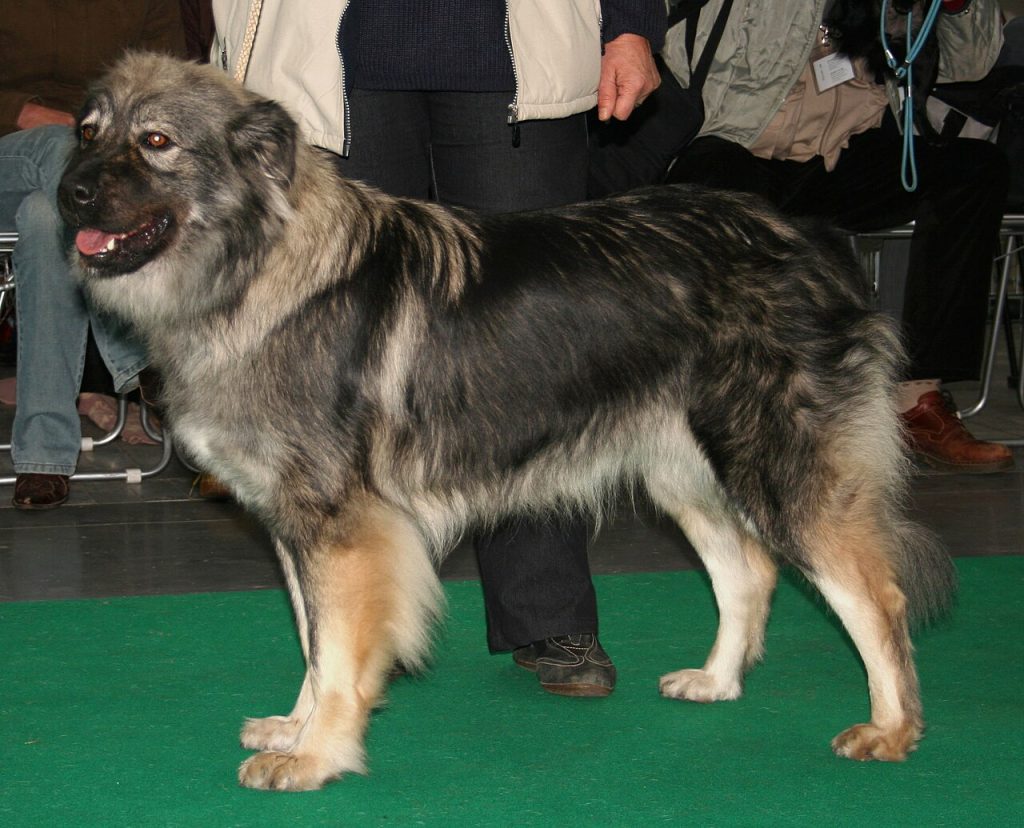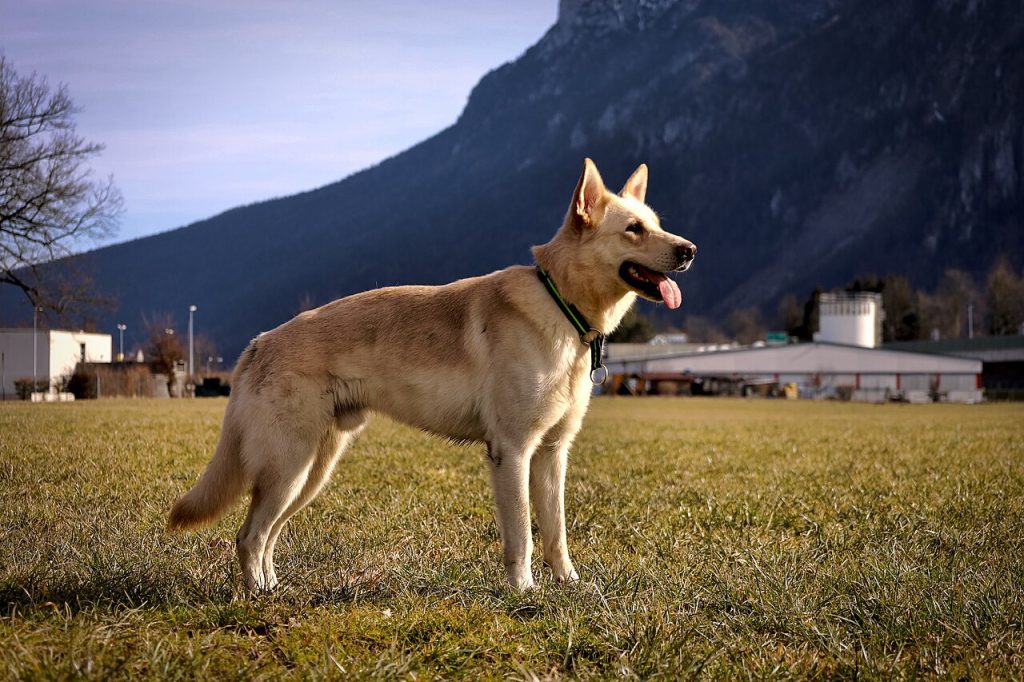
The Dog of Palleiro is the native Galician shepherd and guard dog: A rustic dog, balanced and of proverbial intelligence that for centuries looked after the cattle and the house of the Galician farmers. It was on the verge of extinction, but today it is experiencing a hopeful recovery and is beginning to find its place also as a family and work dog. If you’re looking for a loyal, territorial, personalized companion, here’s what you should know about the Palleiro.
Is that the Hound of the Baskervilles for you?
The Palleiro Dog is not a dog for everyone. It is a shepherd with a strong character, a very marked guarding instinct and a real need for space and activity. It shines in the hands of those who live in the countryside or in a house with land, has experience with working dogs and wants a faithful guardian more than a plush sofa. Before you decide, weigh its lights and shadows.
In favour .
- Exceptional guardian: keeps watch and warns naturally.
- Very loyal and devoted to his family; affectionate with the children at home.
- Intelligent and balanced, the result of centuries of functional selection.
- Rustic and resistant, made to the climate and the work of the Galician countryside.
- Versatile: shepherding, guarding and even rescue or police work.
To be taken into account
- Reserved and suspicious of strangers; needs early socialization.
- Lots of energy. It doesn’t fit with a sedentary lifestyle or small apartments.
- Strong and territorial character; calls for a steady and consistent owner.
- Rare breed: Finding responsible breeders is not always easy.
- It tends to bark to warn and defend its territory.
Character and temperament
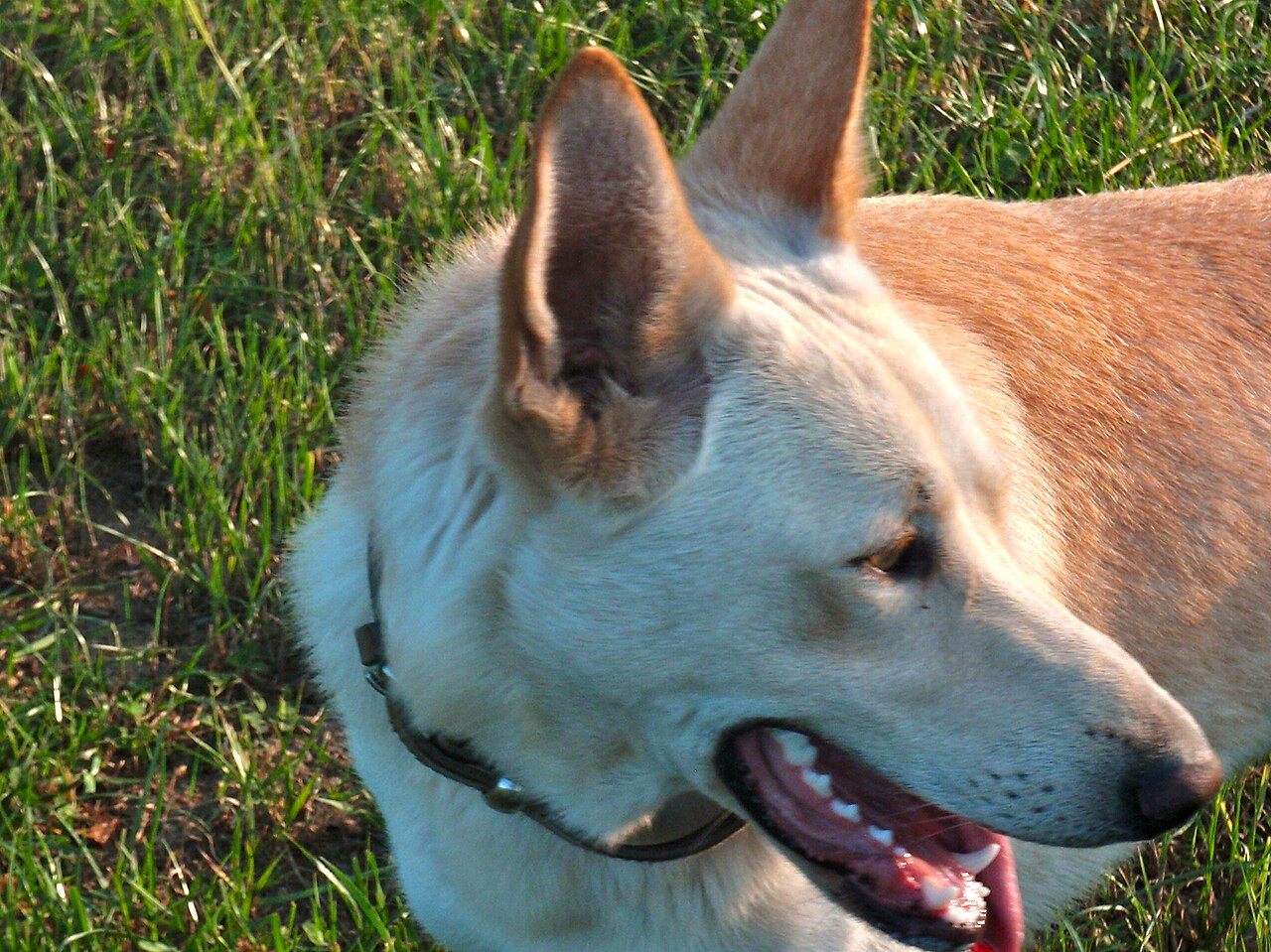
If we had to summarize the character of the Palleiro Dog in one word, it would be the balance. It is a cold-headed dog, one who observes before acting, with that psychic stability of good herding dogs. It is not a nervous or reactive dog without a reason: it reserves its energy and strength for when they are needed.
With his family, he transforms. The same dog that shows seriousness and aloofness to a stranger becomes sweet, calm and deeply loyal to his own. He’s an intense bonding companion who cares about his people and gives his best when he feels part of the group. That loyalty, however, is accompanied by a strong guarding instinct: The Palleiro dog watches, evaluates and warns, because that’s what the Galician countryside raised it for.
There is a curious trait inherited from his trade: is a “biting” dog in the pastoral sense of the word. He drove the cattle by pinching the hindquarters of the cows to herd them, a management technique, not aggression. Well socialized and guided, that determined character is just what makes him an irreplaceable collaborator. Mismanaged, their strength and territoriality can become complicated, which is why balanced selection and early socialization are so important in this breed.
Coexistence: children, other pets, flat and loneliness
With children. The Palleiro Dog is usually an excellent dog of large families. Protective by nature, it tends to take care of the smallest of the house and not allow them to run risks. As with any large dog, it is advisable to teach children to respect their times and supervise games.
With other pets. Raised among cows, sheep and chickens, it is a dog accustomed to coexisting with other animals.
On the floor.‘s major limitation is that it is a field dog, with a lot of energy and guarding vocation; the apartment is not its natural place. It can adapt to the city if the owner makes the commitment to give it plenty of exercise daily, but it will be infinitely happier with terrain to patrol.
In the face of solitude. is a close-knit dog that does not do well with prolonged neglect. Accustomed to working side by side with its owner, it needs company and a role to fulfill. Long days alone can lead to boredom, barking or destructive behavior.
Education and training
The intelligence of the Palleiro Dog is a blessing and a challenge. It learns quickly and understands very well what is asked of it, but it is not a submissive dog that obeys for obedience’s sake: it needs motives and, above all, a leader in whom to trust. It works better with positive, consistent and firm training than with imposition.
The absolute priority in the first months is the socializing. A puppy that knows people, dogs, noises and varied environments will grow up as a confident adult who knows how to distinguish a real threat from a normal visit.
Take advantage of his mind: obedience exercises, herding, tracking, or any canine sport give him the job his head demands. A Palleiro with a task is a happy and manageable dog; one without stimulation will seek his own entertainment, and will rarely be the one you would choose.
Exercise and activity
We are dealing with a medium-sized working dog with strong, athletic and resistant legs. Its energy level is high and it is not satisfied with a couple of laps around the apple. It needs at least one or two hours of daily activity: long walks, running, intense play and, if possible, some meaningful work.
The ideal environment is the countryside, where you can move, explore and “patrol”. Enjoy hiking, accompanying in the countryside and sports that combine body and mind. Remember that in this breed mental exercise counts as much as physical exercise: a dog that only runs but never thinks remains dissatisfied. Tires its body and occupies its mind, and you will have a quiet companion at home.
Care: fur and hygiene

The coat of the Can de Palleiro is thick and dense, with two layers, and becomes even thicker in the winter months to protect it from the cold and humidity of Galicia.
With a weekly brushing is enough to keep it clean and healthy most of the year. Of course, during the spring and autumn seedlings the brushing should be more frequent, almost daily, to remove the dead undercoat and prevent the hair from accumulating throughout the house. Baths, only when you really need it: its coat has a certain capacity of self-cleaning and excessive washing dries the skin.
The rest is the basic hygiene of any dog – checking and cleaning the ears – erect and well-ventilated in this breed – cutting the nails when they do not wear out on their own, monitoring dental hygiene and keeping internal and external deworming up to date.
Foodstuffs
As a rustic and active dog of medium to large size, the Palleiro Dog needs a complete and high-quality diet, adjusted to its actual energy expenditure.
The reasonable thing to do is to divide the food into two daily servings for the adult, using a balanced feed or diet according to his age, weight, and activity. In puppies of this size it is advisable to take special care of the growth, without overfeeding, so as not to force the joints while they develop. Water always fresh and available, and weight control to prevent overweight, which in an athletic dog like this takes a toll on his joints. If you have any questions about quantities or type of diet, your veterinarian is the best reference.
Health and life expectancy
The Can de Palleiro is, by origin, a robust dog. It comes from a rural population selected for generations for its ability to work and survive, not for aesthetics, which has favoured functional and resistant specimens.
It should be pointed out that, being a minority and recovering race, there are no large specific health studies published on it. As with any medium- to large-sized dog, it is wise to monitor joint health – hip or elbow dysplasia is something to consider at this size – and to rely on breeders who control the genetic basis of their breeders. With his veterinary checkups, vaccinations, deworming and an active life, he’s usually a healthy dog. There are no official longevity figures for the breed, but for its rustic type and size a life expectancy in the usual range of medium-sized shepherd dogs is to be expected.
Physical appearance
The Can de Palleiro is a medium-sized dog, with a lupoid appearance, athletic and well proportioned. The females measure around 57-63 cm at the cross and the males usually exceed them by a couple of centimeters; the weight is around 25-33 kg in them and 30-38 kg in them, although some sources speak of specimens of up to about 40 kg.
Its head has a characteristic pyramidal shape, with the ears placed on the sides and erect, pointed. Its legs are strong and well stooped, giving it that agile and good-walking posture. The coat, thick and dense, supports a wide range of colors: From the sand and the cinnamon to the darker ones like the brown, the wolf gray and the black. Extensive white spots and pious layers, on the other hand, are not admitted into the breed’s genealogical book.
Origin and history
The Can de Palleiro has its roots in the native dogs of Galicia, present in the region since ancient times. It shares a common origin with other great European shepherds – the Belgian shepherd, the German and the Dutch – with whom it has obvious type kinship. For centuries it was the dog of the Galician farm: the one who herded and guarded the cows and, at the same time, watched the house.
His name says it all. “Palleiro” is, in Galician, the straw: the straw barn where this shepherd used to sleep, shallow but sheltered, ready to jump at the first alarm. From that humble corner of the villages he took the name by which we know it today.
Despite being present throughout Galicia and the many oral and literary references about it, the Can de Palleiro remained practically anonymous until today, and even came close to extinction. The official recognition changed his fortune: the Xunta de Galicia published the racial standard and created the genealogical book by the Order of 26 April 2001 (DOGA of 11 May), and at the state level the race was included in Royal Decree 558/2001, of 25 May (BOE of 13 August). In 2002 the Club da Raza Can de Palleiro was born to ensure its recovery.
The effort paid off. In 2009 the breed was still “in danger of extinction”, although its numbers were already growing, and in 2022 the Royal Canine Society of Spain included it among the breeds in the process of recovery. Today it is concentrated mainly in areas of Ourense (Allariz, A Merca, Celanova, O Irixo, Xinzo de Limia), Pontevedra (Agolada, Dozón, Lalín, Rodeiro), Lugo (Os Ancares) and some points of A Coruña.
Curiosities

- His name comes from palleiro(Galician strawberry), the strawberry where he slept while on guard duty.
- It’s a “biting” dog in the good sense: it bites the cattle by pinching the hindquarters of the cows.
- It was on the verge of extinction and is today a symbol of Galicia’s livestock genetic heritage.
- Although born as a shepherd and guardian, some specimens have been reoriented to the rescue and to police and related tasks.
- It is not recognized by the FCI, but it is officially in Spain as a Galician autochthonous breed.
- Its hooded coat and erect ears give it that wolf look it shares with other great European shepherds.
If you are attracted to the Palleiro Dog for its profile as an intelligent shepherd and loyal guardian, you will surely enjoy meeting other working breeds of similar character. Pastor Alemán Border Collie Pastor Australiano Collie
Frequently Asked Questions about the Palleiro Dog
Is the Palleiro a good family dog?
Despite his past as a watchdog, with his owners he is a faithful dog, calm and very attached, and usually behaves well with the children of the house, whom he tends to protect.
Can he live in a flat?
It is not its ideal habitat. It is a rustic field dog, with high energy and guarding vocation, which enjoys space. On the floor it can adapt if it is guaranteed several long outings a day and stimulation, but it will be much more comfortable with terrain and an outdoor life.
Does he bark a lot and is he territorial?
It is a born guardian that watches its territory and barks at strangers; that instinct is just what made it useful in Galician farms.
Do you get along with other dogs and animals?
Raised among cattle, it coexists naturally with other animals and usually accepts other dogs if presented well.
How much exercise do you need?
It is a working dog: it needs at least one or two hours a day between long walks, running and play or mental tasks.
Is it recognized by the FCI?
The Can de Palleiro is officially recognized in Spain – by the Xunta de Galicia and by Royal Decree 558/2001 – and is among the Spanish native breeds, but to date does not have international recognition by the FCI.
What colors can it be?
Their coat ranges from sand and cinnamon to darker tones such as brown, gray “alobado” (wolf) and black. Specimens with extensive white spots or pie coat are not admitted into the genealogical book of the breed.
Is it a rare or endangered breed?
Thanks to the work of the Club da Raza and its official recognition, its numbers have been growing and in 2022 the Royal Canine Society of Spain included it among the breeds in the process of recovery.