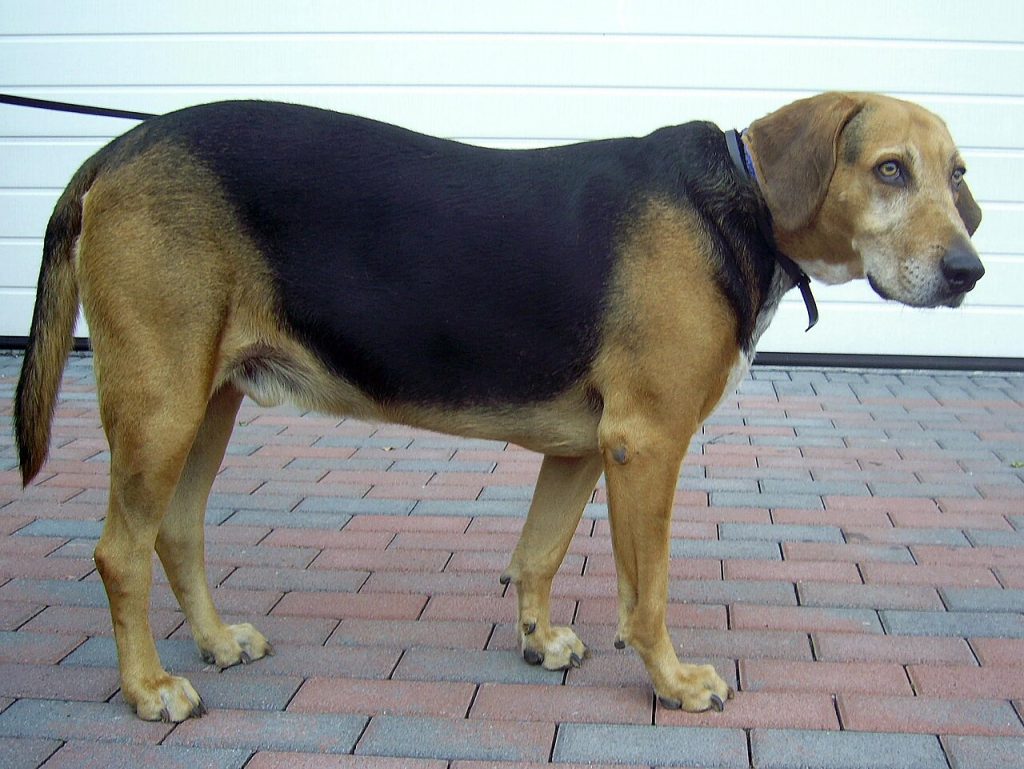
The Kerry Beagle is the only native Irish sighthound still alive today, a robust hunting dog with a portentous nose and deep voice, linked for centuries to the famous Scarteen herd of County Limerick. Despite its name, it has nothing to do with the little English Beagle: is a medium to large, athletic and hardy hound, bred to track deer, hare and fox through the Irish countryside. If you are looking for a companion who is energetic, sociable, and has a keen hunting instinct, this article honestly tells you what it is like to actually live with a Kerry Beagle.
Is the Kerry Beagle for you?
The Kerry Beagle is a working dog with generations of selection focused on hunting in packs, not on couch life. Before you fall in love with his noble face, it’s best to be realistic: He’s an independent hound with a lot of energy and an innate obsession with smells. It fits wonderfully with active, spacious people, but it can be exhausting for those looking for a quiet, small-floor dog.
In favour .
- Very sociable with people, children and other dogs.
- Exceptional nose and stamina: an ideal companion for hiking and outdoor activities.
- Balanced and cheerful temperament, not aggressive.
- Short hair, easy to maintain.
- Rustic breed, generally healthy and long-lived.
- Unique history and personality: an unusual Irish hound.
Against
- Very high exercise requirement: not good for a short walk.
- Very strong tracking instinct; it gets distracted and “disconnects” when it catches a scent.
- He barks and howls with that hound voice, powerful and deep.
- Independent and stubborn: Obedience costs more than in other races.
- Loose without a fence is a risk: you can go after a trail for miles.
- Rare breed outside Ireland; finding a specimen can be difficult.
Character and temperament

The Kerry Beagle is, first and foremost, a pack dog. That defines almost everything else: it is gregarious, tolerant and friendly, because for centuries it has lived and worked in a pack, surrounded by other dogs and people. It rarely shows aggression; its character is open, cheerful and confident, and it greatly enjoys company.
At the same time, he inherits the mentality of a tracker dog: concentrated, tenacious and independent. When he works with his nose on the ground, he enters his own world and everything else ceases to exist for him, including your calling. He’s not a disobedient dog out of spite, but because his instinct tells him to follow the scent to the end. That combination of sociability and determination makes it charming at home and challenging outdoors.
A well-socialized and exercised Kerry Beagle is a balanced companion; a bored and withdrawn one will seek his own entertainment, almost always with the muzzle and vocal cords.
Coexistence: children, other pets, flat and loneliness
With children: is one of its great virtues. Breeders and breed sources agree that the Kerry Beagle is good with children, patient and playful.
With other dogs: excellent. Being a pack dog, canine coexistence is its natural habitat; it usually gets along very well with other dogs and enjoys having company of its kind.
With other pets: is a hunter with a strong chase instinct; cats, rabbits and small animals can awaken their hunting impulse.
On the floor: is not its ideal habitat. It needs a lot of exercise and tends to vocalize, two complicated things in an apartment. It lives much better in a house with a fenced garden and access to open spaces to run.
Soledad: is a social dog that does not do well with prolonged loneliness. Accustomed to life in a pack, if left alone for many hours and without stimulus it may get bored, howl or look for ways to escape. It works best in homes where it does not spend the whole day alone.
Education and training
Raising a Kerry Beagle requires patience and realism. It’s intelligent, but it’s also independent and nose-to-nose., so don’t expect immediate obedience from a sheepdog. The key is to start early, be consistent and always work on the positive, with tasty rewards and short, fun sessions.
- Early socialization: takes advantage of its sociable nature by exposing it from puppyhood to people, dogs, different environments and noises.
- The call, top priority: works the “here” thoroughly, but assumes that in the face of a powerful trail it can fail.
- Positive reinforcement and food: is a hound highly motivated by smell and food; use it to your advantage.
- Mental stimulation: scent games, hidden prize hunting and tracking channel his instincts and tire him out just as much as physical exercise.
Exercise and activity
This is the point that cannot be negotiated. The Kerry Beagle was bred to run for hours following a trail, and that endurance is still intact. He needs plenty of daily exercise.: breed sources talk about two or three long walks a day plus free runs in safe space. It’s not enough to just go around the block.
He loves hiking, running, tracking and any activity that combines smell and movement. A well-exercised Kerry Beagle is a calm and happy dog at home; one with accumulated energy becomes noisy, destructive and prone to escapism.
Care: fur and hygiene
In this section the Kerry Beagle is simple. It has short and straight hair, easy to maintain: a weekly brushing is enough to remove dead hair and keep the coat healthy and shiny. It does not require a hairdresser or sophisticated care.
It is advisable to pay attention to the long, dangling ears, typical of hounds: they accumulate moisture and dirt and are prone to infections, so they must be checked and cleaned regularly.
Foodstuffs
The Kerry Beagle is an active and muscular dog, so it needs a a complete and quality diet according to its energy expenditure, its age and its activity level.
As a good dog, he is gluttonous and highly motivated by food, which helps in training but also facilitates overweight if you neglect. Divide the food into two servings a day, control body weight and discount from the daily ration the rewards you use in training. Always have fresh water available, especially after exercise.
Health and life expectancy
The Kerry Beagle is a rustic and functional breed, selected for centuries for its ability to work more than for aesthetics, which has favored a dog usually healthy and resistant.
There aren’t many specific veterinary studies on the minority of the breed, so let’s be honest: There are no widely published official figures on life expectancy or a comprehensive list of specific diseases. As with any long-eared hound, the main focus is on ears(moisture otitis) and, as with any large and active dog, keeping joints and weight under control. Regular veterinary checkups, vaccination, deworming and good nutrition are the best policy for you to reach old age in good health.
Physical appearance
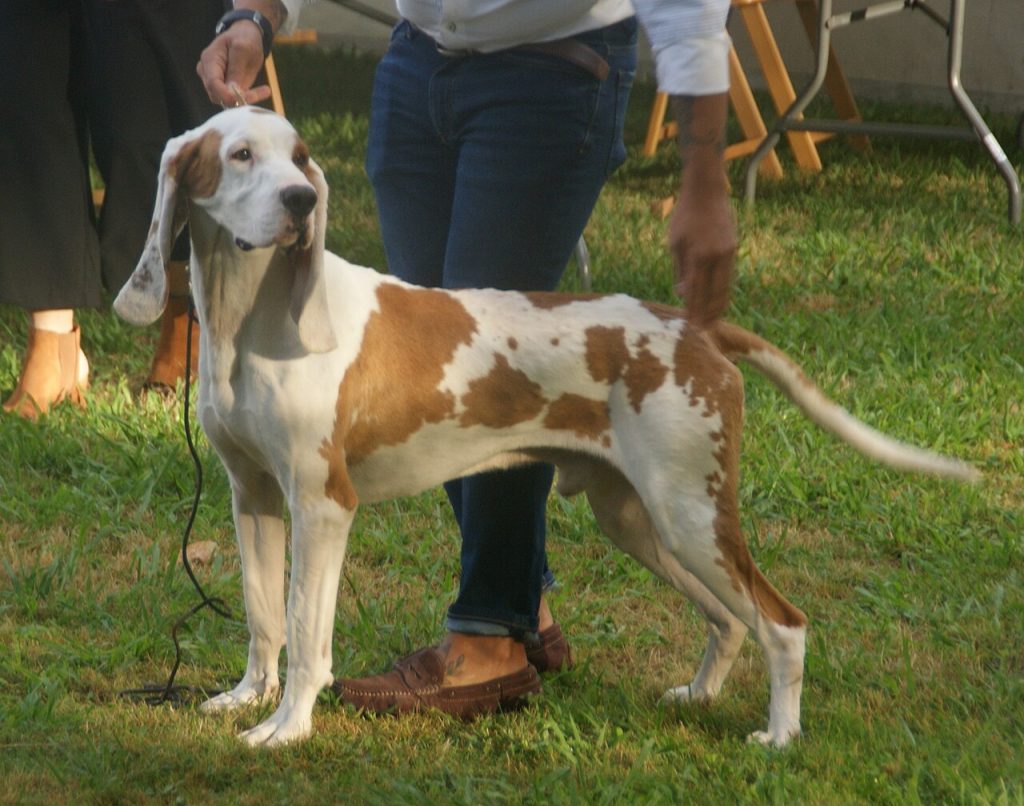
Despite what its name suggests, the Kerry Beagle he’s not a little dog.. “Beag” means “small” in Irish, and was so named because it was smaller than other hounds such as the giant Irish Wolfhound, alongside which he worked lifting deer.
- Altura: between 56 and 61 cm.
- Peso: up to about 27 kg.
- Cabeza: wide, with noble expression.
- Orejas: long and hanging, like a hound.
- Pelo: short.
- Color: the most common is black and tan; there are also specimens cinnamon and white, mottled blue and fire, or black.
Interestingly, his black marks and fire left their mark even outside the canine world.
Origin and history

The Kerry Beagle is the the only Irish sighthound that has survived to the present day. The breed is believed to date back to at least the 16th century, and there are detailed pedigrees going back to 1794.
By the 19th century, the number of Kerry Beagles in Ireland had been drastically reduced and only one large herd remained: The famous Scarteen, from County Limerick, owned by the Ryan family, which still exists today. That herd is largely responsible for the survival of the breed. Over time, the Kerry Beagles moved to fox and hare hunting, and also participate in drag hunting(artificial trail hunting).
Official recognition came late: the The Irish Kennel Club did not recognize the breed until 1991. Its influence, however, crossed the Atlantic much earlier: numerous Irish emigrants brought Kerry Beagles to America, where it is considered one of the founding breeds in the development of the Coonhound and American Foxhound.
Curiosities
- The name is misleading: is not a small beagle. It is called a “Beagle” because it is smaller than other Irish hounds, not related to the English Beagle.
- A one of a kind hound: is the only surviving native Irish sighthound.
- The Scarteen herd: the Ryan family of Limerick have kept their herd alive for generations, and are largely responsible for keeping the breed alive.
- The Black and Tans: According to tradition, the black and fire markings of the Kerry Beagle inspired the nickname “Black and Tans” with which the recruits of the Royal Irish Constabulary were known during the Irish War of Independence (1919-1921), for the resemblance of their improvised uniforms to the fur of these hounds.
- American roots: is among the founding breeds of the Coonhound and American Foxhound thanks to Irish immigrants.
If you are attracted to the Kerry Beagle because of its sociable, athletic, and snooty nature, you may be interested in other related breeds that share its energy or tracking instinct. You can check out the Beagle, the distant relative by name and also a smell-loving hound; the Basset Hound, another long-eared hound; the spectacular Bloodhound tracker; or, if you’re looking for an energetic and familiar companion, the inexhaustible Labrador Retriever.
Frequently Asked Questions About the Kerry Beagle
Is the Kerry Beagle a type of Beagle?
No. Despite its name, it is not an English Beagle or a variety of it. It is a medium to large sized Irish hound. It was named “Beagle” (from “beag”, small in Irish) because it is smaller than other hounds such as the Irish Wolfhound, not because of its kinship with the Beagle we know.
How tall and how much does a Kerry Beagle weigh?
It measures between 56 and 61 cm in height and can reach about 27 kg. It is an athletic and resistant dog, larger than its name suggests.
Is he good with children and other dogs?
Yes. It is a pack dog, so it is usually very sociable, tolerant and good with both children and other dogs.
How much exercise do you need?
It needs plenty of daily exercise: two or three long walks a day plus free runs in a safe area. It was bred to run for hours following a trail, and that endurance is still intact. It’s not a sedentary breed.
Can you have a Kerry Beagle on a floor?
It’s not ideal. His high need for exercise and his tendency to vocalize with the typical hound voice don’t go well with an apartment. He lives much better in a house with a fenced garden and access to open spaces.
Is it easy to train?
It is intelligent but independent and very olfactory, so obedience costs more than a sheepdog. It responds well to positive reinforcement, food and short sessions. The call is never 100% reliable against a strong trail, so it is best to release it only in controlled areas.
What kind of hair care do you need?
He has short hair that only requires a weekly brushing, but you do need to watch his long, dangling ears, prone to infection, check and clean them regularly.
Is this a rare breed?
Yes, it is a minority breed and not widespread outside Ireland. The Irish Kennel Club did not recognise it until 1991 and its survival is largely due to the historic Scarteen herd.