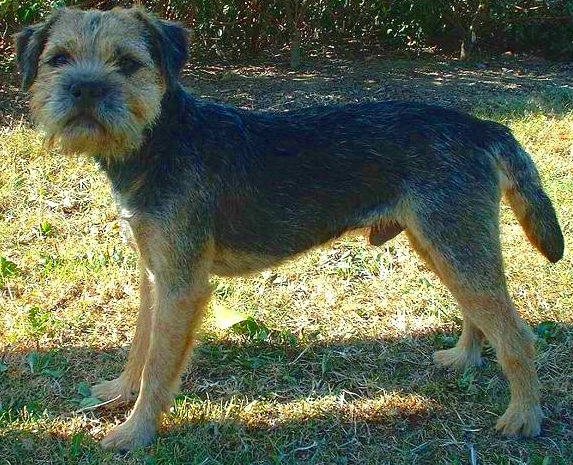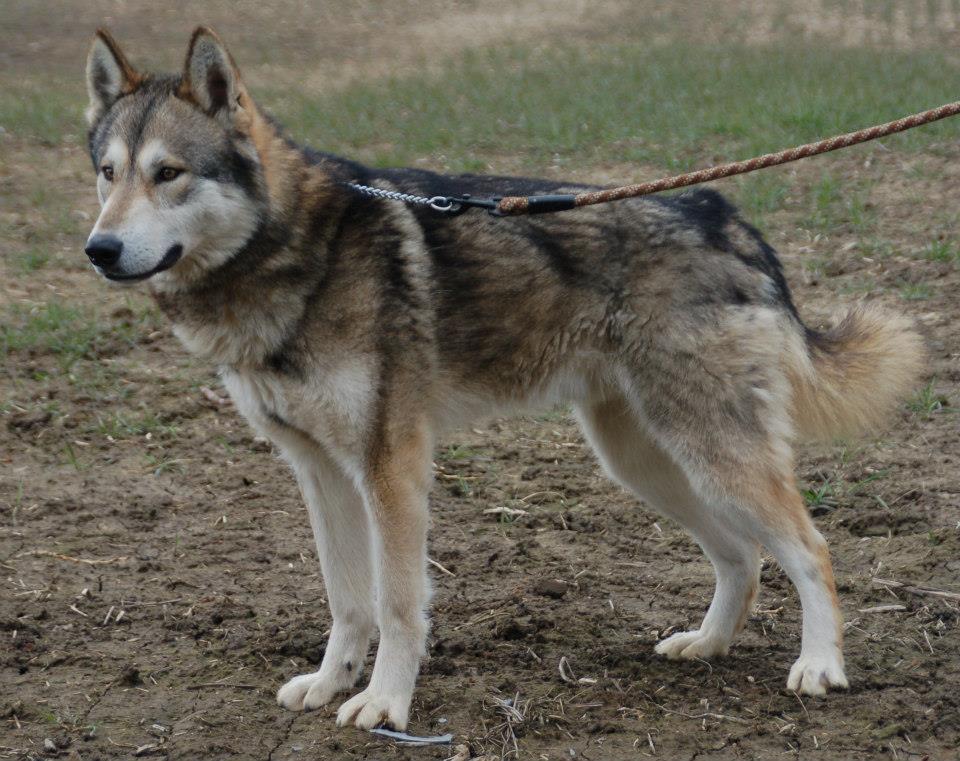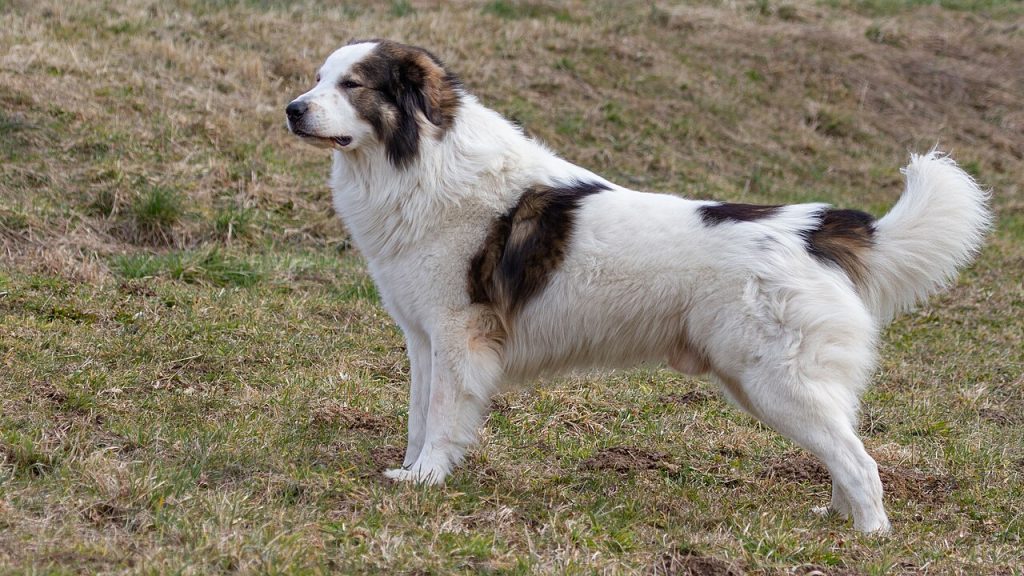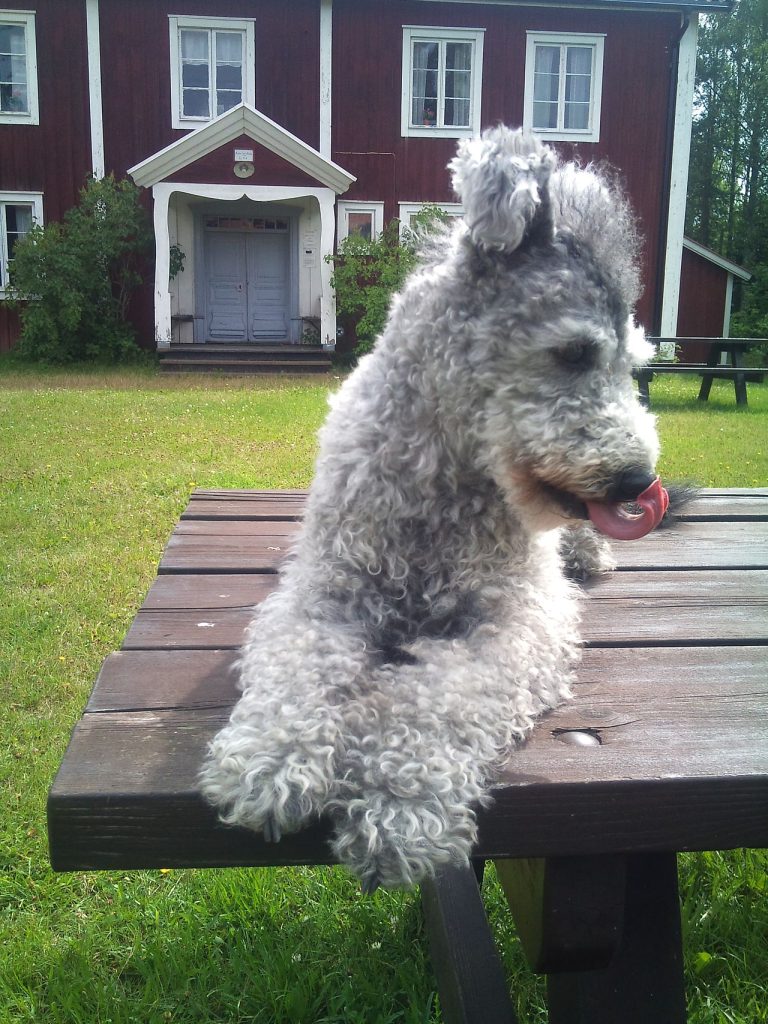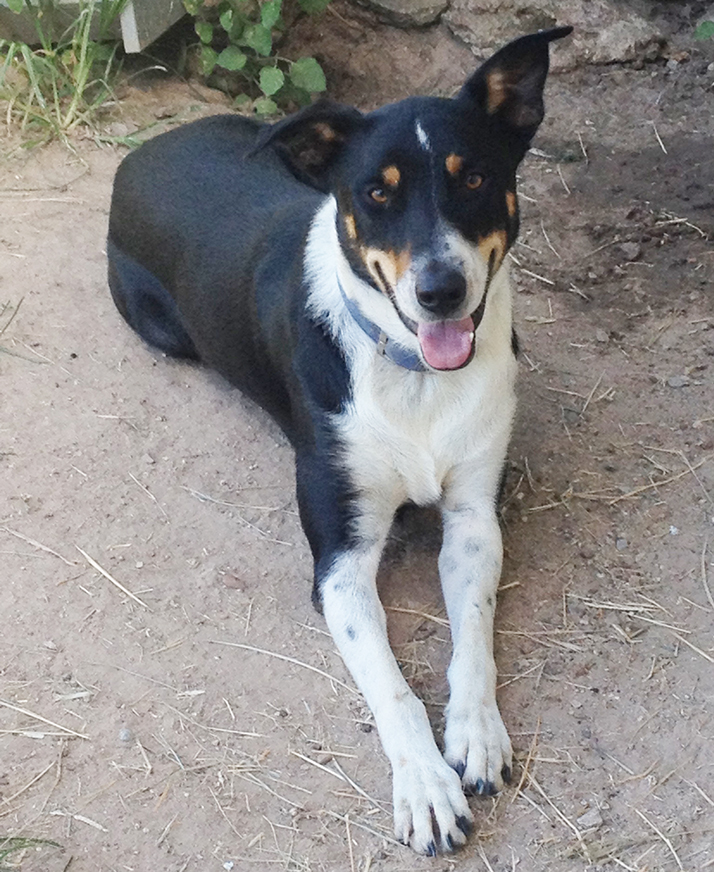
The McNab is an American shepherd dog born on ranches in California, bred to work the cattle under sun, bush and hard terrain without ever giving up. Rustic, tireless and of remarkable practical intelligence, the McNab (also called the McNab Shepherd or McNab Collie) is an exceptional field companion: He gives his body and soul to his work and his family, but he asks for real activity in return. This is the complete guide to whether McNab fits you.
Is the McNab for you?
The McNab is not a dog for everyone. He is a hardworking shepherd with a lot of energy and head, who shines in the hands of active people, with space and willingness to spend time with him. Before you fall in love with his image, look at both sides of the scale.

In favour .
- Exceptional working dog: herding, sport, search and rescue.
- Outstanding physical endurance, able to work all day.
- Very smart and quick to learn.
- Close bond with family; protective and territorial without being nervous.
- Rustic and healthy, with a life expectancy of 13-15 years.
- Short or medium hair, easy to maintain.
- Inside the house it is quiet if it has exercised: it is not a hyperactive dog.
Against
- He needs a lot of exercise and mental stimulation every day.
- He gets bored and frustrated if he is isolated or neglected.
- Unsuitable for small apartments or sedentary living.
- Shepherd instinct: may try to group children or other pets.
- Firm character; demands a consistent and left-handed owner.
- It may carry the MDR1 mutation (sensitivity to certain medicines).
- Rare breed outside the U.S.: hard to find and little known.
Character and temperament
The McNab combines two things that don’t always go together: a huge work intensity and a remarkable domestic calmness. In the countryside it is a determined, courageous dog with a legendary resistance; at home, whenever it has spent energy, it is content to lay at the feet of its owner, vigilant and with an attentive eye. Unlike other herders, it is not a hyperactive dog inside the home.
It’s very smart and learns quickly, but it can also be assertive and demanding. He has a keen instinct to push against obstacles – just what makes him good with cattle – and so responds better to firm, consistent, and skillful guides in positive reinforcement, who don’t arouse that tendency to “blink”. He bonds intensely with his family, including other pets in the house, and has a strong sense of territory: seldom leaves home and defends it with more determination than many more sensitive shepherds.
Coexistence: children, other pets, flat and loneliness
With the family the McNab is loyal and protective, and usually integrates well with other dogs and household pets with whom he lives from the beginning. With the children he is a good companion, but it is advisable to supervise games: his shepherding instinct can lead him to try to group the little ones when they run, so teaching him from a puppy to channel that impulse is key.
In floor it is not its natural environment. The McNab is made for open spaces and long days of activity; it can adapt to an urban home only if it receives a lot of exercise and mental stimulation daily. The loneliness is its weak point: it is a dog that gets bored and restless if left isolated or unattended for hours.
Education and training
Training a McNab is both rewarding and demanding. Their intelligence and willingness to work make them learn quickly, but their independent and somewhat stubborn character forces them to do well.
- Positive reinforcement, always. Coercive methods activate their instinct to resist; reward and clarity work much better.
- Consistency and quiet leadership. needs stable standards and firm, non-authoritarian guidance.
- It’s a mental stimulus. You have to exercise your head as much as your body: new controls, olfactory games, meaningful work.
- Early socialization. Puppy well exposed to people, animals and environments to balance its territoriality.
Families considering a McNab should assume that they’ll have to spend some real time with him.

Exercise and activity
Here’s the heart of the McNab. It’s a dog of extraordinary endurance: a rancher can run miles a day using his herding skills to control cattle, and McNab has been documented as being able to cover over a hundred miles in a day driving herds.
As a pet, it’s not enough to walk. He needs running, intense exercise and, most of all, purposeful tasks. It fits wonderfully into canine sports such as agility, dock diving, disc dog, lure coursing, flyball, barn hunt and nose work, where its athleticism and intelligence make it a formidable competitor. A well-trained McNab is a balanced dog; a boring one, a problem. The good news is, when that need is met, you know how to rest and enjoy the calm.
Care: fur and hygiene
The McNab’s coat is closed, dense and weather resistant, designed to withstand California’s harsh weather. It can come as straight short hair (single coat), double short or single coat medium length, but it ‘s never long .. That makes its maintenance simple:
- Cepillado weekly (something more common in seedlings of double-layer varieties) to remove dead hair.
- Baños only when needed; her hair is functional and gets little dirt.
- Routine examination of ears, eyes, teeth and pads, especially if working in the field (foxtails, ears and bush).
- Uñas cut off if they don’t wear off on their own with activity.
Foodstuffs
Being an athletic and high-energy dog, the McNab thanks a a complete and quality diet, with good protein intake, adjusted to its actual activity level. A working McNab that travels kilometers a day needs much more energy than a more quiet living specimen, so it is advisable to adapt the ration to each case and avoid both excess and defect.
If you have any doubts about the quantity or type of food, it is best to consult your veterinarian.
Health and life expectancy
The McNab is a rustic and healthy dog, with no documented breed-specific health problems, something unusual and highly prized.
The important exception is genetic: Some McNabs carry mDR1 mutation, which makes them very sensitive to ivermectin and other drugs present in many antiparasitics and preventative fillaria drugs. In carrier dogs, these medicines can cause serious problems. There is a simple dNA test(by mouth sample) to detect the mutation before medication. With that caution and the usual veterinary care, he is a dog of enviable robustness.
Physical appearance
The appearance of the McNab varies considerably, because it has been selected for function rather than a rigid aesthetic standard. It is a medium size dog: females measure between 41 and 53 cm at the withers and weigh 14 to 23 kg, and males measure between 46 and 63 cm and weigh approximately 16 to 29 kg.
The ears can be from upright to dropped, with everything in between. The tail can be short (natural or cut) or long. Colors include black, red, blonde, blue, lilac and sable, in solid variants, with white or with white and fire (tricolor). The eyes, well separated and almond shaped, range from brown to hazel or copper. One of its hallmarks is the compact cat’s feet, which gives it remarkable agility, along with that dense, tough coat that is never long.

Origin and history
The story of the McNab begins with a man and a ranch. In the late 19th century, Alexander McNab left his native Scotland and settled on a huge sheep ranch of about 10,000 acres at the Sanel Ranch, which would eventually be renamed Hopland, in Mendocino County, in Northern California. Looking for a dog capable of handling the extreme conditions of his land – heat, spikes, foxtails, and rough terrain – he developed his own line of shepherds and logically named them “McNab Shepherds”.
In the early 20th century, the ranch passed to his younger son, John McNab, a lawyer and rancher, who revived his father’s breeding work and imported additional dogs from Scotland to reinforce the line. Over the years, the McNab proved to be a supreme shepherd that California ranchers learned to trust with their eyes closed. For a long time it was hardly known outside California, but in recent decades the breed has spread throughout the United States and Canada, with some specimens even working in Germany and Japan. In 2014 the McNab Shepherd Registry was founded, which collaborates with genetic studies (together with Mars Veterinary) to establish a breed’s own genetic signature.
Curiosities
- Cat’s feet. Its compact pads and almost feline foot are part of its legend: they give it an unusual calmness and agility on difficult terrain.
- Pastoreo “loose-eyed”. Unlike the Border Collie and its hypnotic gaze, the McNab works unfocused and more independently, combining heading and heeling.
- From sheep to cow. Raised to graze sheep, it was soon seen that his bold character made him ideal for cattle as well, and even for driving goats, geese, llamas and picking horses from the pasture.
- Tireless in the rescue. His reputation as a dog “for any weather” has paved the way in search and rescue: where other dogs are exhausted, the McNab only stops when his guide does.
- Proper name. The McNab literally bears the surname of the Scottish family that created it in California.
If you are attracted to the McNab for its energy, intelligence and herding instinct, you may be interested in other herding and working breeds with a similar character. Border Collie Pastor Australiano Collie Pastor Alemán
Frequently asked questions about McNab
Is the McNab an officially recognized breed?
I’m not going to. The McNab is not recognized by major canine clubs like the AKC or the FCI. It is bred and registered through its own organizations, such as the McNab Shepherd Registry (MSR), founded in 2014, which uses genetic markers and DNA verification instead of the traditional pedigree system. It is, in practice, a well-established American working breed, albeit outside the official exhibition circuit.
How much exercise does a McNab need a day?
Much. It’s a shepherd dog of exceptional endurance: a ranch McNab can drive miles every day driving cattle. As a pet, it needs a lot more than a walk: running, mental work, canine sports or meaningful tasks. Without that daily wear and tear, it becomes restless and can develop frustrated behaviors.
Is he a good dog to live on?
It’s not their ideal environment. The McNab is designed for open spaces and long days of activity. It can adapt to a floor only if the owner guarantees it plenty of daily exercise, mental stimulation and does not leave it alone for hours. In a house with land or in the countryside it performs much better.
Does the McNab get along with children and other pets?
Yes, in general. It usually creates a close bond with the whole family, including other pets in the home. It is balanced and protective, not hyperactive inside the house. With children it is advisable to supervise play by its shepherding instinct (tendency to group in motion) and educate it from puppy to channel it.
How long does a McNab live?
Its average life expectancy is 13 to 15 years. It is a rustic and healthy dog, with no documented breed-specific health problems, something rare and highly valued in a working dog.
What is the MDR1 mutation and why does it matter in the McNab?
Some McNabs carry the mutation of the MDR1 gene, which makes them highly sensitive to ivermectin and other drugs (common in antiparasitics and chickenpox preventers). In carrier dogs these drugs can cause serious problems. There is a simple DNA test (with a mouth mucus sample) to know if your dog carries the mutation before medicating him.
How is the McNab different from the Border Collie?
Both are very intelligent shepherds, but the McNab has a loose-eyed herding style, works more independently and combines heading and heeling.
Is the McNab for anything other than herding?
It excels in dog sports (agility, dock diving, disc dog, lure coursing, flyball, barn hunt, nose work) and increasingly in search and rescue, detection dog and even service dog.