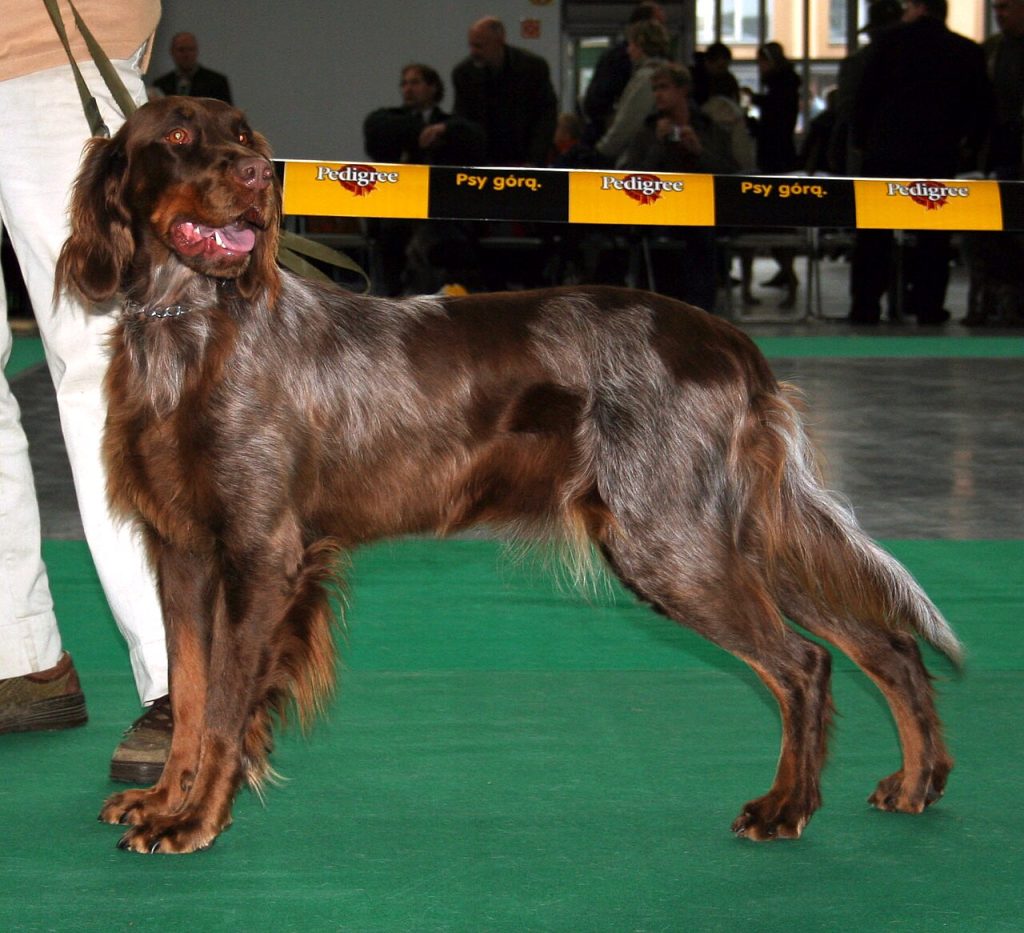
The Spaniel Picardo(French Spanish Picard) is a French show dog of noble air and calm temperament, considered one of the oldest breeds of continental spaniel. bred for centuries in the Picardy region to hunt in forests and marshes, it combines a weather-resistant coat with a docile and sociable character that makes it an excellent companion for active families who can give it the exercise it demands.
Is the Picardo Spaniel for you?
The Picardo Spaniel is, above all, a versatile hunting dog that has managed to become a magnificent companion dog. It is affectionate, balanced and easy to treat, but retains the energy and work needs of a sample dog.
In favour .
- Docile temperament, sociable and attached to his family.
- Good with the kids and nice at home.
- Relatively easy to train and eager to please.
- Very resistant: suit for cold, rain and rough terrain.
- No known hereditary health problems and long life expectancy.
- Excellent hunter and gatherer, skilled in the water too.
To be taken into account
- It needs plenty of daily exercise; it is not a sedentary dog.
- Strong hunting instinct: be careful with very small animals.
- Hanging ears prone to infection if neglected.
- Abundant coat that requires regular brushing.
- Rare breed outside France: breeders can be hard to find.
- He doesn’t like prolonged loneliness.
Character and temperament
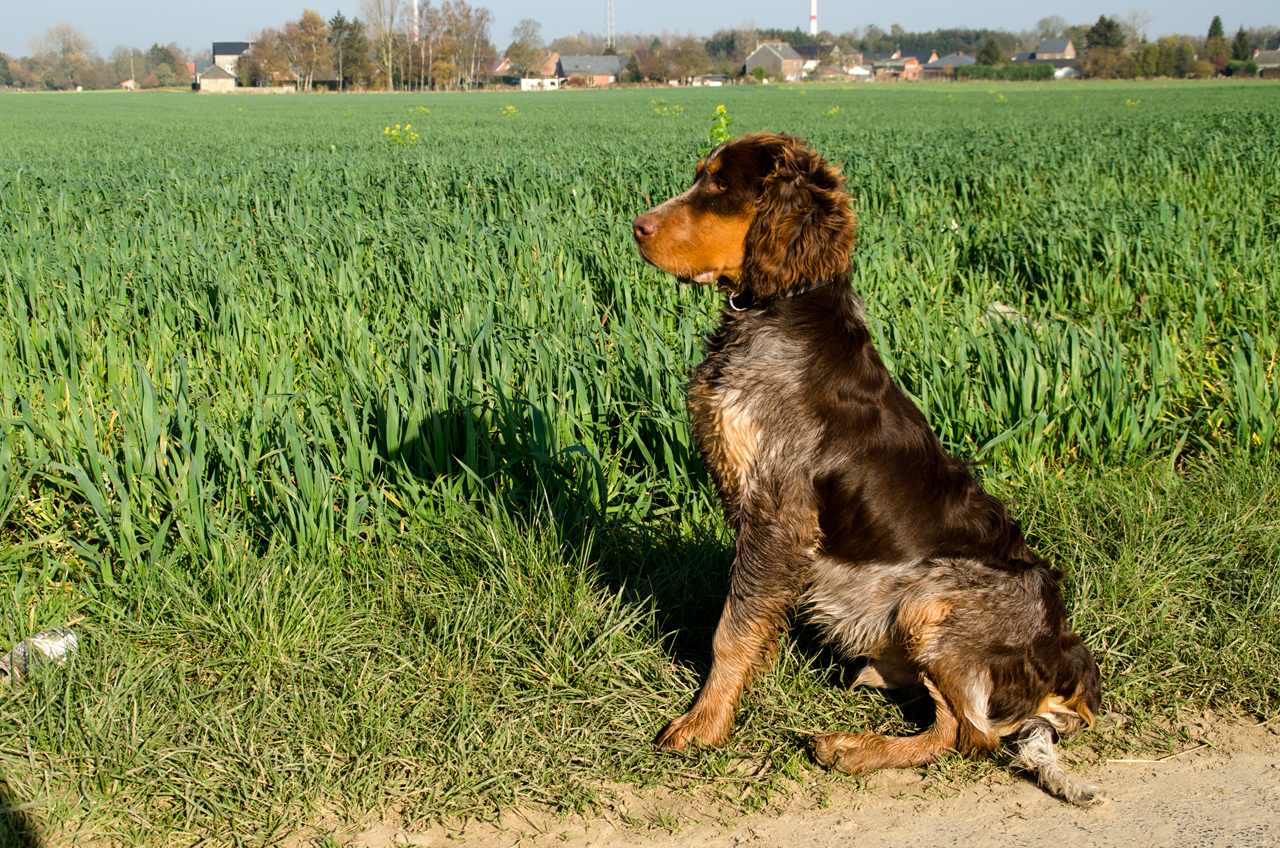
The Picardo Spaniel has a reputation as a meek, quiet, and of good character dog. It is described as a breed of gentle and sociable nature, with a relaxed attitude that rarely leads to nervousness or aggressiveness.
This gentleness should not be confused with passivity. Under its calm lives a born hunter: attentive, curious and with a great ability to concentrate when working. It is a sensitive dog, responding better to kindness than to harshness, and doing its best when teamed up with someone who spends time with it. Balanced, affectionate and stable, he embodies well that ideal of the show dog that goes from absolute rest on the couch to total action in the field.
Coexistence: children, other pets, flat and loneliness
With children: is one of its great virtues. The Picardo Spaniel loves to play with children and its gentle nature makes it a reliable companion for family life, always under the reasonable supervision that any dog deserves.
With other pets:‘s sociable nature facilitates coexistence with other dogs. As it is a hunting dog, it retains prey instinct, so the relationship with very small animals should be built from puppyhood and monitored; its calm temperament usually plays in its favor.
Floor and city: can adapt to living in a flat and is content with a small space inside the house, but only if it is compensated with long walks and daily activity.
Soledad: due to its strong attachment, is not a breed to be left alone for many hours a day.
Education and training

As a sensitive dog, it responds much better to positive reinforcement– rewards, play, praise – than to pressure or harshness, which only manage to turn it off.
Early socialization is key: exposing him as a puppy to people, other dogs, noises and varied environments establishes that balanced temperament that characterizes the breed. Short, varied, motivating sessions work better than long repetitions. Their natural instinct for sampling and collecting greatly facilitates hunting training, but basic obedience and calling should also be worked on from the start, because a dog with such a keen sense of smell and desire to track needs reliable remote control.
Exercise and activity
Here’s the key to making a Picardo Spaniel happy. It’s a medium to high energy hunting dog that needs to wear body and head out every day. It’s not satisfied with a walk around the block: it demands long walks, runs, play and, if possible, activities that stimulate its sense of smell and its tracking instinct.
It is an ideal candidate for canine sports such as mantrailing, tracking, charging tests or simple and trekking with its family. A well-exercised Picardo is a quiet and educated dog at home; one bored and with no outlet to his energy can develop frustration and unwanted behaviors.
Care: fur and hygiene
The coat of the Picardo Spaniel is of a thickness not exceeding 2 mm, containing by weight: and longer fringes on the ears, chest, back of the legs and tail.
A brushed several times a week is enough to avoid knots and remove dead hair, paying attention to areas of freckles, which become easily entangled after field work. Check after every exit for grains, mud or parasites. The point that should never be overlooked are the ears: Because they are long and hanging, they retain moisture and dirt, so they need to be checked and cleaned frequently to prevent ear infections, typical of dropped-ear breeds. Complete hygiene with regular nail trimming, pad checking, and dental care.
Foodstuffs
The Picardo Spaniel needs a quality food appropriate to their activity level. A hunting specimen that works long hours burns a lot of energy and requires an adequate intake; on the other hand, a more sedentary or older dog spends less and needs more contained rations.
The main food risk of the breed is overweight from overeating: Overfeeding a Picardo can easily lead to overweight, with consequent damage to his joints and overall health. Divide the daily ration into two portions, avoid feeding just before or after intense exercise, and adjust the amounts according to your physical condition, age, and actual expenditure. When in doubt about the ideal diet, it is best to consult your veterinarian.
Health and life expectancy

The Picardo Spaniel is, on the whole, a robust and healthy breed. It has no known hereditary health problems, something rare and very valuable, and features a average life expectancy of about 14 years, high for a dog of its size.
His weakness is not genetic, it’s anatomical: like a good hanging-ear spaniel, it’s prone to ear infections. These otitis are common in dogs with droopy ears – Basset Hound and other spaniels included – and are prevented with regular duct checking and cleaning, especially after swimming or hunting in wet areas. The other risk to watch for is the overweight, easy to avoid by controlling the ration. With regular veterinary checkups, vaccination, deworming, and an active life, the Picardo Spaniel usually enjoys a long and healthy old age.
Physical appearance
The Picardo Spaniel is a medium to large size and square and muscular build dog. Typical specimens measure between 56 and 61 cm to the cross and weigh on average between 20 and 25 kg. It is somewhat smaller than an English Setter, but larger than most of its spaniel cousins; within the type, only the Greater Münsterländer and the Drentse Patrijshond reach comparable or higher sizes.
Its head is oval in shape, with a long snout and some long ears that hang fairly low. The mantle is abundant and slightly undulating, able to protect it in thick weeds and even in water. As for color, it ranges from chocolate and chestnut to brown and white, with sand-tone markings on the head and white or gray spots on the legs. The result is a dog that looks rustic and elegant at the same time, unmistakably a hunter.
Origin and history
The Picardo Spaniel has its roots in medieval France. Along with the French Spaniel, it is believed to descend from the The Chien d’Oysel described in the writings of Gastón Febo(Gaston Phoebus), and is considered one of the two oldest continental spaniel breeds. Hunting was one of the favorite sports of the French nobility, and this type of spaniel became the favorite dog of royalty. The breed even appears in paintings by painters such as Alexandre-François Desportes and Jean-Baptiste Oudry, and was one of the first dogs admitted to salons.
After the Revolución Francesa, when hunting ceased to be a privilege of the nobility, the Picardo became even more popular. It was concentrated mainly in the northwest of the country, where its weather-resistant mantle made it ideal for wooded and marshy terrain. At the beginning of the 19th century, British hunters began crossing the Channel to hunt in northwestern France and brought their own dogs; the taste for English breeds prevailed and dealt the breed a severe blow. From this mixture with the English Setter also emerged the Blue Spaniel of Picardy(Blue Picardy Spaniel), a close and more modern relative.
The breed was organized in the 20th century: the Épagneul Picard Club was founded in 1921 and merged with the Picardy Blue Spaniel Club on 28 July 1937; a new union in 1980 with the Pont-Audemer Club resulted in the current This Regulation shall enter into force on the day following that of its publication in the Official Journal of the European Union..
Curiosities
- It is older than its famous relative the Blue Spaniel of Picardy, which was born precisely from the crossing of the Picardo with the English Setter.
- He was one of the first dogs admitted to the parlours of French high society.
- He is depicted in 17th- and 18th-century paintings, proof of his former prestige among royalty.
- Its reputation as a wild dog is due to its hardy coat, which allows it to hunt in rain, cold and marshes where other breeds cannot bear it.
- It is not afraid of water: it jumps without hesitation to swim to collect the piece, something uncommon even among show dogs.
- It is still a rare outside France breed, making it a little-known gem for hunting dog lovers.
If you are attracted to the Picardo Spaniel for its balance of tireless hunting and friendly companionship, you may be interested in other breeds of show dogs and collectors with a similar profile. You may meet the Cocker Spaniel, another versatile and familiar spaniel; the Vizsla, a sensitive and very affectionate show dog; the Weimaraner, an elegant high-energy hunter; or the Golden Retriever, a docile collector and excellent family dog.
Frequently Asked Questions about the Picardo Spaniel
Is the Picardo Spaniel a good family dog?
Yes. It is a docile, sociable and very close-knit breed, enjoying playing with children and living well in an active home. Its calm and balanced character makes it a pleasant companion whenever it receives the daily exercise it needs as a hunting dog.
How long does a Picardo Spaniel live?
Its average life expectancy is about 14 years, a high figure for a dog of its size, and it has no known hereditary problems, so with proper nutrition, exercise, and regular veterinary checkups, it usually survives well into old age.
Can the Picardo Spaniel live in a flat?
It can adapt to life in the city and is content with a small space inside the house, but needs long outings and daily activity.
What care does your fur need?
Its coat is abundant, with a slight waving and fringes on the ears, legs and tail. Brushing is recommended several times a week to avoid knots, especially after field or water work.
Is the Picardo Spaniel easy to train?
It is relatively easy to train. It is described as a good-natured dog, attentive to its guide and willing to collaborate. It responds very well to positive reinforcement and short and varied sessions; its charging instinct and sociability make the job easier.
Why is the Picardo Spaniel used as a hunting dog?
In France it is used for hunting in forested areas – for example pheasants – and in marshes for schooners. It is also useful for ducks, hares and rabbits.
How tall and how much does a Picardo Spaniel weigh?
Typical specimens measure between 56 and 61 cm at the withers and weigh on average between 20 and 25 kg. It is somewhat smaller than an English Setter, but larger than most of its spaniel cousins.
Does the Picardo Spaniel get along with other dogs and pets?
As a hunting dog, it has a prey instinct, so coexistence with very small animals requires early socialization and supervision, although its calm temperament plays in its favor.