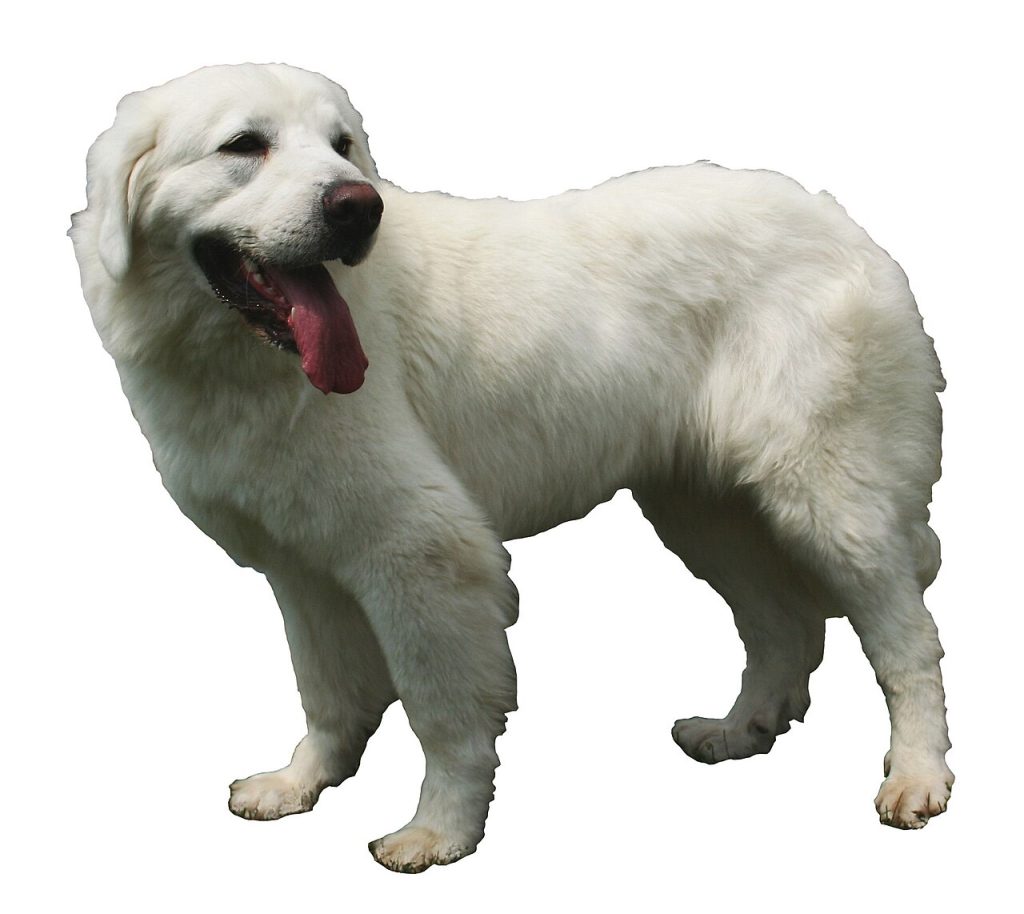
The Shepherd of the Tatra is an imposing white mountain dog that for centuries guarded herds of sheep on the peaks of the Tatra Mountains in southern Poland. Quiet, independent and of serene value, this shepherd mastiff belongs to the same large family of European white guards as the Pyrenean Mountain, the Kuvasz or the Maremmano-Abruzzo Shepherd. If you are looking for a large, protective, gentle but self-willed dog, getting to know the Tatra Shepherd well before deciding will save you many surprises.
Is the Tatra Shepherd for you?
The Tatra Shepherd is not a dog for any household. He’s a keeper of pure-bred flocks: Big, autonomous and programmed for generations to make their own decisions in the face of a predator without waiting for orders. That independence, which makes him admirable in the field, can be a challenge for anyone looking for a dog that is obedient and always attentive to its owner. Before you fall in love with her white mane, look honestly at these two columns.
In favour .
- Born guardian: protective, territorial and deterrent without needing to be aggressive.
- Temperamentally balanced and calm indoors; not a nervous dog.
- Very resistant to cold and outdoor life; adores large spaces.
- He has a deep and loyal bond with his family, whom he views as “his flock”.
- Gentle and patient with children and animals in her group.
To be taken into account
- Independent and stubborn: not a dog of blind obedience.
- It barks to warn, especially at night; it doesn’t fit in a small flat.
- It needs space, a solid fence, and possibly a garden or field.
- Abundant moult twice a year and maintenance-demanding fur.
- Their protective instinct demands early socialization and a judgmental owner.
Character and temperament
The character of the Tatra Shepherd can be summed up in one word: I can’t breathe. It’s a calm dog, self-assured and not afraid of the wind. In the mountains, he was required to spend whole days watching the flock, assessing the situation, and acting only when a real threat appeared. That work has modeled a thoughtful animal, one that observes before reacting and is rarely impulsive or fearful.
To his family he is affectionate and tremendously loyal, though not implacable. It is not the typical dog that chases its owner around the house demanding attention; it prefers to be nearby, keeping a low guard, and enjoys contact on its own terms. In front of strangers he is reserved and suspicious: It doesn’t attack for no reason, but it makes it clear that the house has an owner. That mixture of calm and firmness is exactly what is expected of a good herder.
The reverse side of the coin is its famous independence. The Tatra Shepherd thinks for itself, and that means it can question an order if it doesn’t make sense. It’s not free stubbornness: it’s the heritage of a dog bred to work alone, away from the shepherd. Understanding this is key to not getting frustrated with it.

Coexistence: children, other pets, flat and loneliness
With children: The Tatra Shepherd is usually a patient and protective companion with the children of his own family, whom he integrates into his “herd” and watches with naturalness.
With other pets: as a good keeper, coexists very well with animals he considers part of his group, including other dogs, cats and even cattle.
On the floor: is not its habitat. It is a large dog, which barks to warn and needs space and open air. It can adapt to a house with a garden in the countryside or the outskirts much better than an urban apartment.
Soledad: tolerates loneliness quite well due to its independent nature, and is in fact in its element of standing guard in a field.
Education and training
Training a Tatra Shepherd requires patience, consistency, and an approach that respects his intelligence. He does not respond well to harsh methods or mechanical repetition: if you ask him for something meaningless a hundred times, he will simply decide to ignore you. Instead, with positive reinforcement, short and motivating sessions, and an owner who earns his respect without shouting, he learns perfectly.
The absolute priority is the early socialization. A puppy that from a young age knows people, noises, other animals and varied situations grows into a confident adult who distinguishes normal from threatening. Without that basis, his guarding instinct can become excessive and difficult to handle in a dog of this size and strength.
It should be assumed from the outset that it will not be a dog of sporting obedience or brilliant tricks. Its value lies in its criteria, not in its submission. The realistic goal is a reliable, sociable adult who responds to basic safety commands, not an automaton that obeys without thinking.
Exercise and activity
The Tatra Shepherd is a dog of endurance, not explosiveness. It’s designed to spend the day outdoors, patrolling and watching, rather than for intense racing or dog sports. His exercise needs are moderate but constant: long daily walks, access to ample space to move at your own pace and, above all, a ‘work’ that gives you meaning, even if it is the simple fact of having a territory to take care of.
With enough activity and a clear role, the Tatra Shepherd is a calm and balanced dog; without it, boredom and lack of stimulation can lead to excessive barking or excessive guardian behaviors.

Care: fur and hygiene
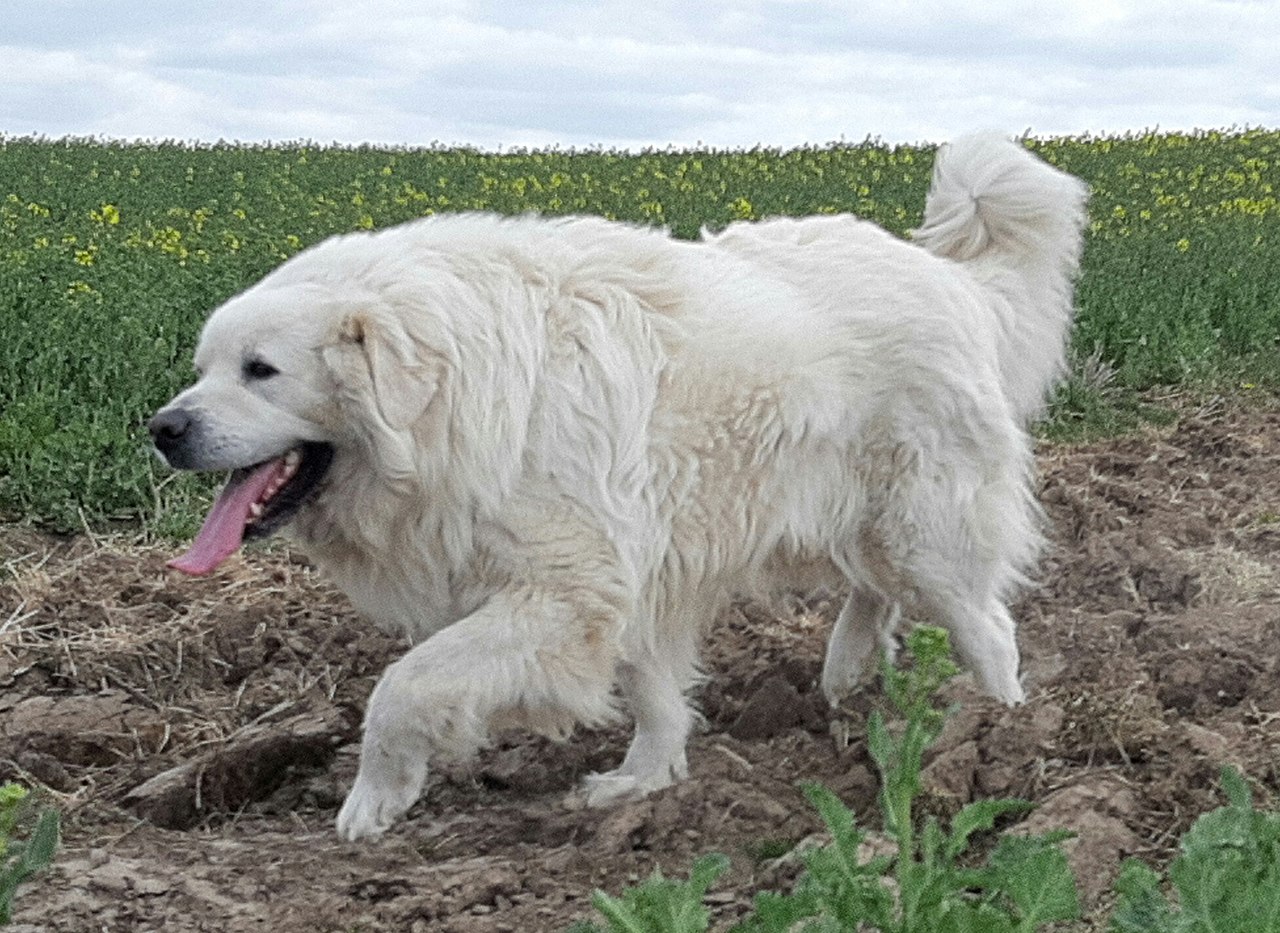
The coat of the Tatra Shepherd is its most striking feature: a white, dense, double-layered coat, with a hard covering hair and an abundant inner blot that insulates it from the cold of the mountain.
Twice a year, in spring and autumn, there is an intense seasonal moult in which the dog sheds large amounts of undercoat. During these weeks, brush your hair almost daily to remove dead hair and to prevent white locks from filling the house. Bathing is only necessary when it is really dirty; its fur tends to self-clean, and too much bathing can dry out the skin.
The rest of the hygiene is the usual for a large dog: checking and cleaning ears, cutting nails when they don’t wear out on their own, and regular dental care.
Foodstuffs
As a large, slow-growing dog, the Tatra Shepherd needs a balanced diet well adjusted to its stage of life. In puppies it is especially important not to overfeed or force growth with hypercaloric diets: too rapid development in a breed this size increases the risk of joint problems. A quality feed formulated for large breeds, divided into several servings, is the most sensible choice.
In the adult, the ration should be adapted to his actual activity level. A dog that lives outdoors and patrols a field will expend more energy than one that spends the day quietly at home. Weight monitoring to avoid overweight, which punishes the joints of any large dog, and dividing food into two servings a day instead of one helps reduce the risk of gastric dilation, a problem to which large breeds of deep-chested dogs are sensitive.
Health and life expectancy
The Tatra Shepherd is, in general, a rustic and robust breed, forged by centuries of hard mountain life and by selection based more on functionality than aesthetics.
Like all large and giant breeds, it is wise to monitor joint health, especially hip and elbow dysplasia, and follow guidelines for controlled development during growth. As with other deep-chested dogs, the risk of gastric torsion or dilation, which is reduced by good feeding routines, should also be kept in mind. Choosing responsible breeders who do health checks on breeders is the best guarantee. With basic care, regular veterinary checkups, and a proper weight, it is a dog that usually enjoys a long and healthy life.
Physical appearance
The Tatra Shepherd is a large-sized dog, with harmonious lines and a powerful appearance without getting coarse.
Its hallmark is the entirely white coat, dense and double-layered, which on the neck and hindquarters forms a mane and characteristic “pants”. The head is proportionate, with intelligent and friendly expression, medium-sized dropped ears and dark eyes of serene gaze. The tail, crowded, goes low at rest. Everything in it conveys the image of a calm and resistant guard, able to withstand the harsh weather of the high mountain.
Origin and history
The Tatra Shepherd, in Polish Polski Owczarek Podhalański(“Polish Shepherd Dog of Podhale”), comes from the Tatra Mountains in the Podhale region of southern Poland. Like the rest of the European great white guards – the Hungarian Kuvasz, the Italian Maremmano-Abruzzo Shepherd or the Pyrenean Mountain – it is believed to descend from dogs brought to Europe by nomadic herding peoples from Asia. For centuries its function was to protect sheep herds from wolves and bears in the rugged terrain of the mountains.
The first exhibition dedicated to these dogs was held in 1937. Their isolation in mountainous areas allowed a small number to survive the ravages of World War II: By 1954, when the first post-war exhibition was organized, about 120 specimens had been located, and with the reconstitution of the Polish canine club, exhibitions resumed in Krakow. The The International Cinological Federation (FCI) officially recognized the breed in 1963, framing it within the group of shepherd and boyer dogs.
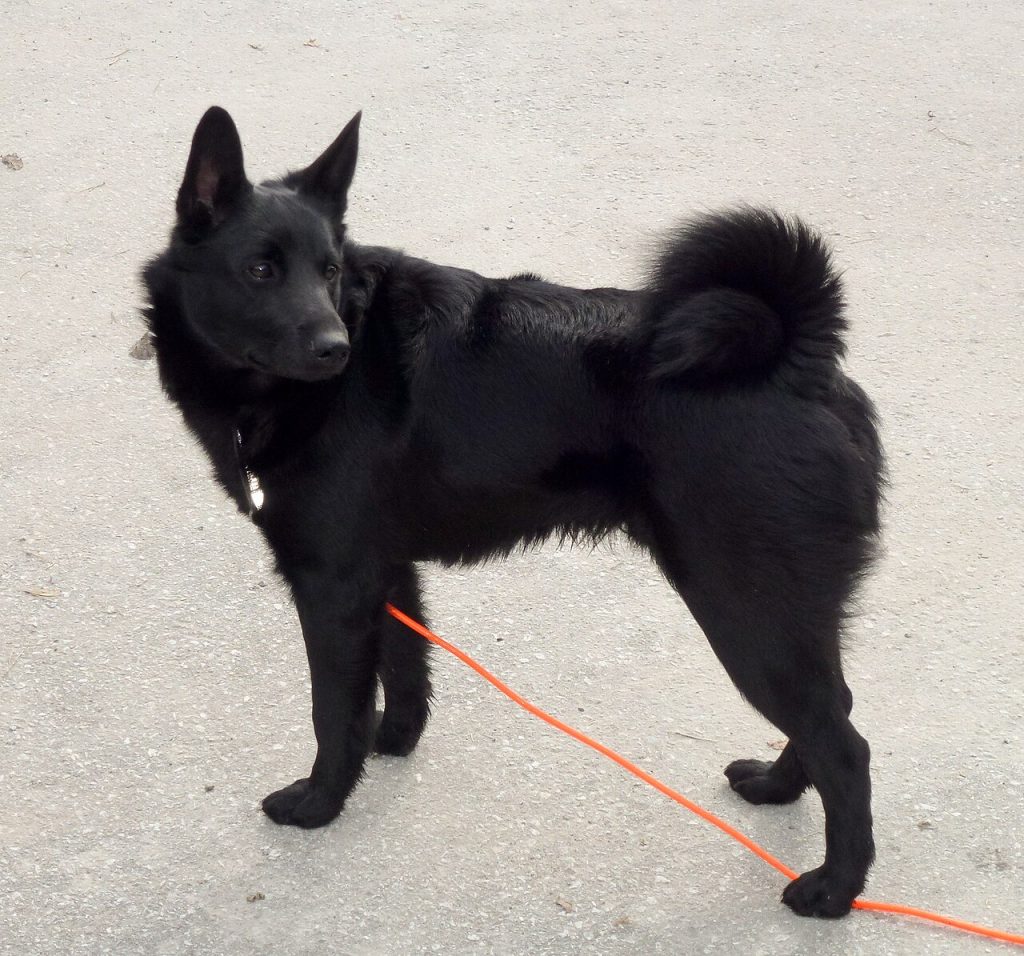
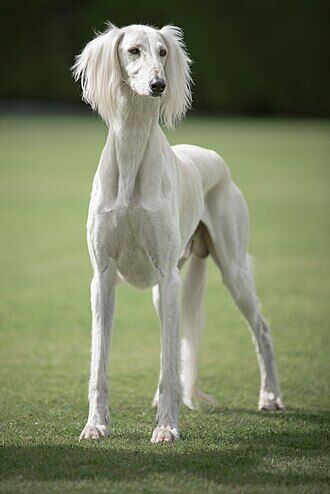
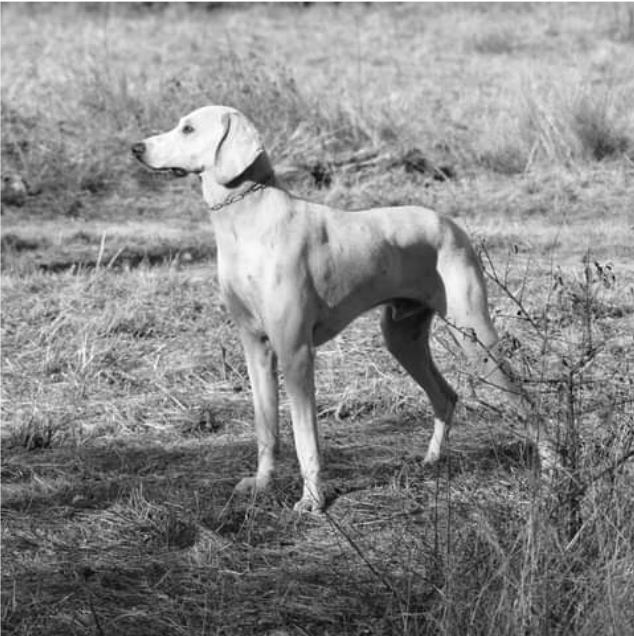
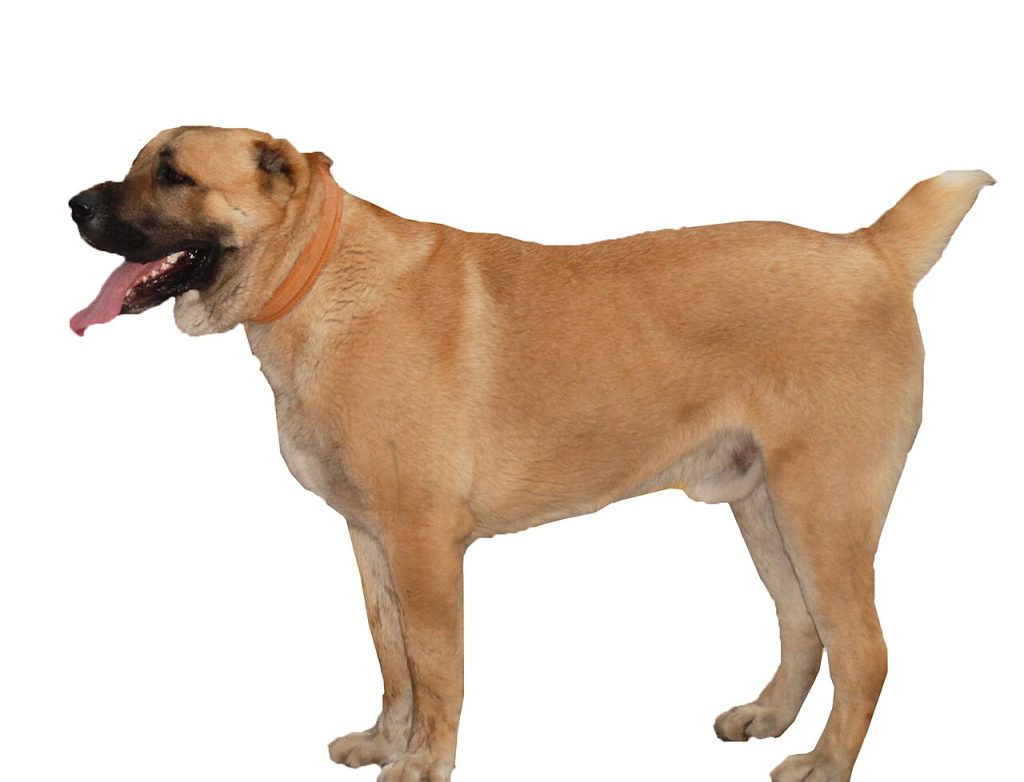
The Tatra Shepherd is one of the five canine breeds native to Poland, along with the Polish Greyhound, the Polish Hound, the Polish Hunting Dog and the Polish Plains Shepherd Dog.
Curiosities
- Its Polish name, Owczarek Podhalański, directly alludes to the Podhale region, the area of high valleys at the foot of the Tatras.
- It is so similar to the Pyrenean Mountain, the Kuvasz, the Akbash and the Slovak Cuvac that it is often confused with them: they all share the same ancestor and the same mission as white herd guardian.
- It is one of only five dog breeds recognized as originating in Poland.
- The book of origin of the breed remains open: unregistered but considered typical dogs can be registered, which helps to maintain genetic diversity.
- About 300 cubs are born each year in about 50 litters, figures that reflect a cared-for, minority breed.
If you are attracted to this white giant but want to compare, you will be interested to know other great guard and shepherd dogs: the versatile Pastor Alemán, the huge and protective Cane Corso, the powerful Mastín and the gentle colossus San Bernardo.
Frequently Asked Questions About the Tatra Shepherd
Is the Tatra Shepherd a good family dog?
Yes, it is a loyal and protective companion with its family, quiet in the house and patient with the children in its group. It needs space and a discretionary owner, but as a family dog in a rural environment or with a garden it works very well.
How tall and how much does a Tatra Shepherd weigh?
Males measure between 65 and 70 cm at the withers and females between 60 and 65 cm. The weight is approximately between 45 and 60 kg, which makes it a large to giant size dog.
Is it easy to train?
It is intelligent but very independent, since it was bred to work alone. It learns well with positive reinforcement, patience and consistency, but it is not a dog of blind obedience. Early socialization is essential.
Does he adapt to living in a flat?
It’s not ideal. It’s a big dog that barks to warn and needs space and fresh air. It fits much better in a house with a garden, in the countryside or on the outskirts than in an urban apartment.
How long does the Tatra Shepherd live?
Its life expectancy is about 10 to 12 years, a typical figure for dogs of its size. With proper nutrition, weight control and veterinary checkups, it usually enjoys a long and healthy life.
How much hair does she let loose and how does she take care of her coat?
It has a dense double layer and sheds intensely twice a year, in spring and autumn. It needs a weekly thorough brushing and almost daily during the sheds. The bath only when it is really dirty.
Where did the Tatra Shepherd come from?
From the Tatra Mountains, in the Podhale region of southern Poland. It is one of the five original dog breeds from Poland and was officially recognized by the FCI in 1963.
Is he an aggressive dog?
Not by nature. It is a deterrent: reserved and suspicious of strangers, but balanced and non-impulsive. Well socialized, it distinguishes perfectly between a normal situation and a real threat and does not attack without motive.