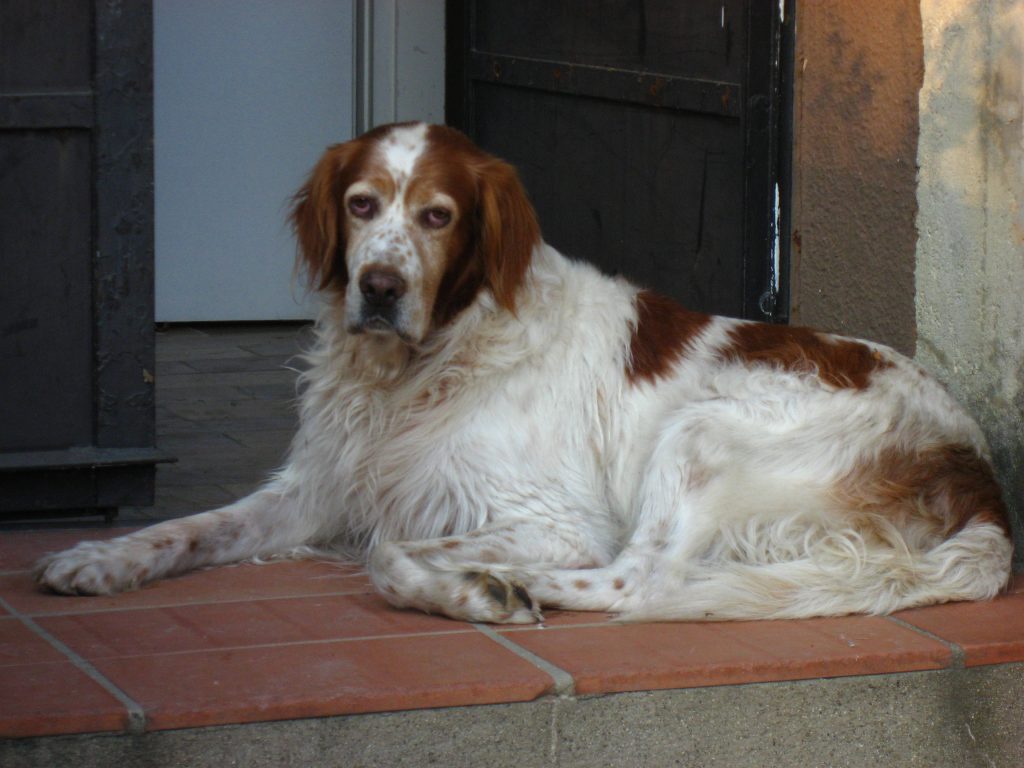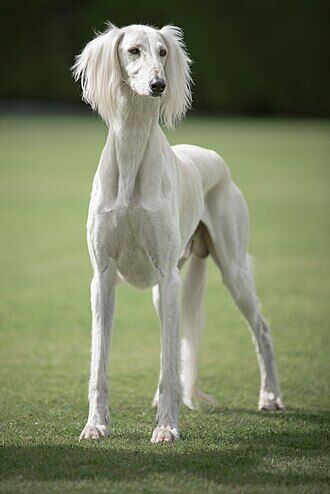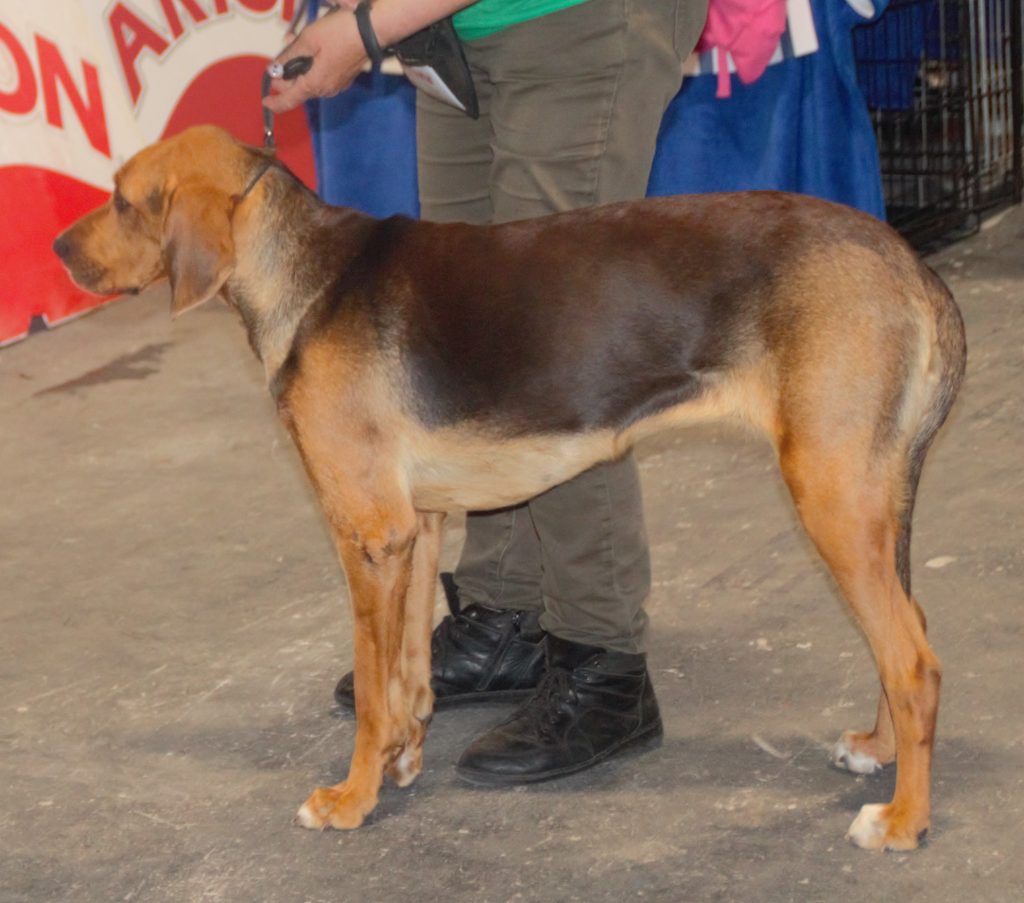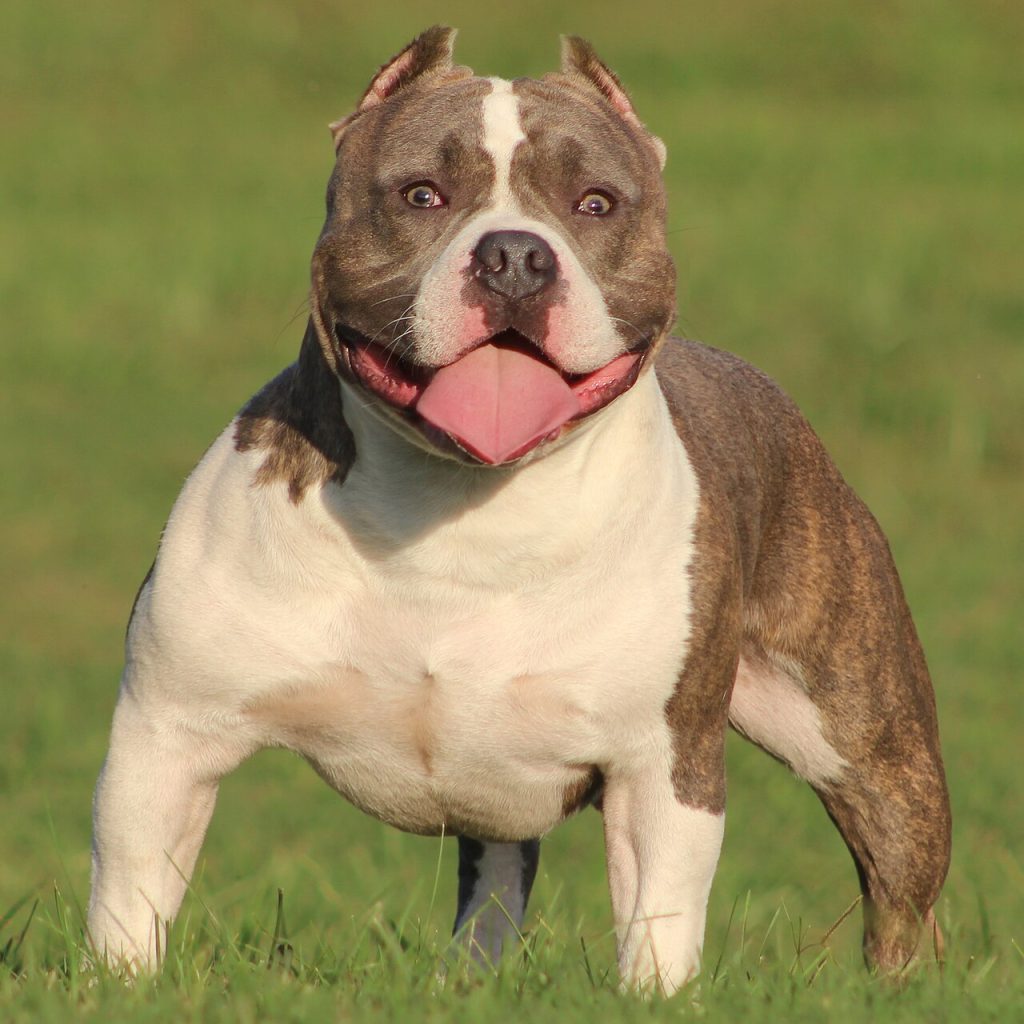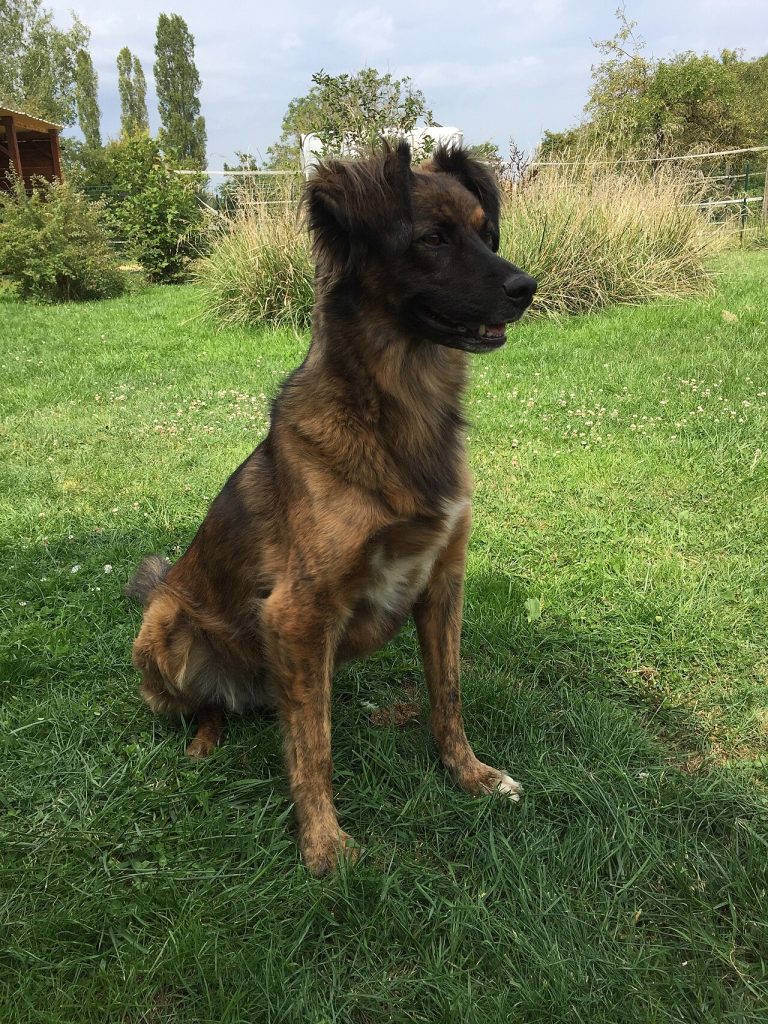
The Cursinu– the Corsican dog, known in French as chien corse– is one of those native breeds that was on the verge of disappearing and is now re-emerging as one of the great canine treasures of the Mediterranean. Rustic, loyal to the core and astonishingly versatile, the Cursinu was a shepherd, guardian and hunter in the mountains of the island for centuries. If you’re looking for a healthy, alert and deeply attached family mate, this guide tells you everything you need to know about him.
Is the Cursinu for you?
The Cursinu is not a trendy dog or a house animal: it is a working dog of the Corsican countryside, bred for generations to be useful, resistant and faithful. That marks its character and also the type of home it needs.
In favour .
- Extremely loyal and devoted to his family.
- Very rustic and healthy breed, with no specific known pathologies.
- Smart, balanced and adaptable to many situations.
- Quiet at home and discreet barker.
- Good and gentle with the children.
- Good whistleblower for his distrust of strangers.
- Polyvalent: it is used for grazing, hunting, guarding and dog sports.
To be taken into account
- It needs plenty of daily exercise; it is not a sedentary dog.
- Strong hunting instinct that makes calling and releasing difficult.
- Very energetic and even hyperactive until one year old.
- Independent: requires patience in training.
- If he gets bored, he can smash furniture, especially puppy furniture.
- Rare breed outside Corsica and France: difficult to find.
- Reserved with strangers: requires early socialization.
Character and temperament

If we had to sum up the character of the Cursinu in three words, it would be faithful, proud and balanced. It is a docile dog that bonds very strongly with its owner, to the point of following him like a shadow and reading his moods. That devotion coexists with a natural independence: The Cursinu thinks for himself, the fruit of centuries of working alone in the mountains, watching herds or tracking wild boars without anyone telling him how.
In day-to-day life, it surprises with its serenity. Inside the house it is a calm dog, little barking and not at all nervous, able to spend hours lying at your feet. But that stillness is deceptive: as soon as it steps on the field, the Cursinu it explodes. of energy and speed. It goes from absolute calm to pure action in an instant, showing the vivacity of a real working dog.
It is wary of strangers, without becoming aggressive. This caution makes it an excellent warning dog and a discreet guard, but also explains why socialization from puppyhood is so important. With its family, on the other hand, it is kind, sociable and gets along well with children, with whom it is usually patient and protective.
Coexistence: children, other pets, flat and loneliness
With children: The Cursinu has a reputation for being good and gentle with the little ones. Its stable character and family attachment make it a good playmate, always under reasonable supervision that any medium-sized dog requires.
With other pets:‘s strong hunting instinct comes into play here. Well socialized from a young age he can get along with other dogs and even house cats, but his drive to chase small prey demands caution with rabbits, poultry or other cats.
On the floor: the Cursinu adapts both indoors and outdoors and tolerates very diverse climates well, provided they are stable. It can live in an apartment provided it receives plenty of daily exercise; otherwise, its energy will find undesirable outlets.
In the face of loneliness: is an independent dog that tolerates loneliness better than others, but its strong bond with the family means that it should not be left alone for many hours on a regular basis.
Education and training
The Cursinu is an intelligent and willing dog, but training it has its tricks. It is born with a hunting instinct so strong that when it catches a trail or a movement, it can completely disconnect from what is happening around it.
The good news is that once the foundation is laid, it becomes an obedient, cooperative dog.
- Positive reinforcement: rewards, play and friendly voice work much better than imposing with a proud, independent dog.
- Starting soon: socialization and basic norms must be worked out from puppyhood, taking advantage of his most receptive stage.
- Short and varied sessions: your waking mind gets bored with repetition; better short, stimulating workouts.
- Channeling the instinct: instead of fighting its hunting instinct, it is best to give it outlets such as tracking, mantrailing or canine sports.
Exercise and activity
This is a versatile working dog, and that translates into a high need for exercise. The Cursinu was conceived to spend the active day in the mountains: grazing, hunting wild boar, fox or hare, or watching the property.
The ideal is to combine long walks and running with activities that test your body and your head. The breed stands out today in modern disciplines such as obedience, agility, canine cross and bikejöring(Cani-VTT), where its endurance, speed and willingness to cooperate shine.
Keep in mind that until the first year of life they are very energetic dogs, almost hyperactive, and that even as adults they retain a good level of activity.
Care: fur and hygiene

One of the great advantages of the Cursinu is its unpretentiousness. Its coat is dense and well stocked, and comes in two varieties: short hair and semi-long hair; there are also specimens with longer and woolly hair.
The maintenance of the coat is minimal: it is enough with a occasional brushing to remove the dead hair and keep it clean, intensifying it during the seasonal mowing.
- Baños only when it’s really dirty, so as not to damage your skin’s natural protection.
- Ears examination, especially in individuals with drooping ears, to prevent infections after field trips.
- Uñas trimmed if they don’t wear themselves out with activity.
- Regular Dental hygiene and control of external and internal parasites, especially important in a dog that frequents the mound.
Foodstuffs
The Cursinu does not need a special diet: it is a frugal dog with a solid constitution that adapts well to a balanced and quality diet.
Some sensible guidelines for this breed:
- Choose wholesome, high-quality food that is appropriate for your age, weight, and activity level.
- Divide food into two daily servings in the adult to aid digestion.
- Watch your weight: Although he is an athletic dog, his sedentary lifestyle and excessive rewards can take a toll on him.
- Always ensure fresh and clean water, especially after long days of exercise.
- In puppies, respect a controlled growth to take care of their joints.
If you have any doubts about specific quantities or diets, it is best to consult your veterinarian, who will tailor the guideline to each individual.
Health and life expectancy
If there is one chapter in which the Cursinu stands out over many modern breeds, it is that of health. Being an autochthonous breed little modified by intensive selective breeding, it retains a exceptional hardiness and immunity.
This longevity and endurance are the result of centuries of natural selection in a harsh environment such as the Corsican mountains, where only the healthiest and most functional specimens survived and reproduced.
This does not mean that prevention is neglected: daily vaccinations, regular deworming, regular veterinary checks and good dental hygiene are still essential.
Physical appearance

The Cursinu is a rustic and robust field dog, with a powerful but unheavy appearance. Its movement is flexible, with a short gallop, cropped and very characteristic hopping.
The head has a broad, open, black truffle, and some oval and slightly oblique eyes, ranging in color from hazel to dark brown and conveying vibrancy.
The coat is dense, short or semi-long. The most common and emblematic coat is the lion’s tail(i ‘ll bring it .), although the standard also supports lionskin, black and fire and brown. The black mask (melanistic) and some limited white spots on the chest and extremities are allowed.
Origin and history
The history of the Cursinu is linked to the island of Córcega, where its presence is documented through writings and illustrations from at least 16th century. For centuries it was the all-terrain dog of the Corsicans: it grazed sheep and cows, guarded the house and cattle, and accompanied in the hunt, demonstrating a versatility that few breeds match.
Until the 1950s, the Cursinu was an essential part of island rural life, but the second half of the 20th century almost wiped it off the map: competition from fashionable mainland breeds and changes in the countryside caused its numbers to plummet.
The rescue came thanks to the efforts of a group of amateurs. In 1989 was founded the This Regulation shall enter into force on the day following that of its publication in the Official Journal of the European Union., dedicated to safeguarding the breed, which in 2004 was transformed into the current Club of the Cursinu. The effort paid off: In 2003, the Société Centrale Canine – the national canine club of France – officially recognized the Cursinu, classifying it among the spitz and primitive type breeds. Today, although the FCI still lacks international recognition, its population is growing and it is once again a source of pride for its home island.
Curiosities
- The name Cursinu literally means “dog” in Corsican; hence it is also called chien corse or Corsican dog.
- It is a primitive type breed: it retains the instincts and rusticity of dogs little modified by modern breeding.
- It was on the brink of extinction and was saved thanks to an association created specifically to protect it in 1989.
- Despite his humble and peasant origin, today he competes successfully in modern canine sports such as agility or cani-cross.
- The French comedian Guy Bedos had a Cursinu named Malo at his house in Lumio, in Corsica.
- The breed has been featured in the cinema: a specimen is featured in the film L’Enquête Corse.
If you are attracted to the character of the Cursinu – that balance between tireless working dog and faithful companion – you may be interested in other breeds with a similar profile. For lovers of energetic grazing there are the Border Collie and the Pastor Australiano; if what seduces you is its primitive and rustic essence, look at the Akita; and if you value its hunting side, the Vizsla shares that passion for the countryside.
Frequently asked questions about Cursinu
Is the Cursinu a good family dog?
Yes. The Cursinu is docile, very faithful and deeply attached to his family, and is usually affectionate and patient with children. Its natural distrust of strangers also makes it a good warning dog. Of course, it needs daily exercise, early socialization and being part of the family nucleus: it is not a dog to live isolated in the garden.
How tall is a Cursinu and how long does it live?
It is a particularly rustic and long-lived breed: its life expectancy is around 10 to 15 years and it does not present any specific health problems.
Is the Cursinu recognized by the FCI?
The Cursinu is recognized by the Société Centrale Canine, the French national canine club, since 2003, where it is classified among the spitz and primitive type breeds.
How much exercise does the Cursinu need?
It is a versatile working dog with a lot of energy, especially during its first year of life. It needs daily physical and intellectual activity: long walks, running, play and, if possible, canine sports such as agility, cani-cross, bikejöring or obedience, where it does wonders.
Does the Cursinu bark a lot?
No. The Cursinu barks little and is quiet indoors. It is an independent, well-balanced dog that reserves its voice for warning, not for constant noise. That domestic serenity contrasts with the burst of energy and speed it shows as soon as it goes into action outdoors.
Is the Cursinu easy to train?
It is very intelligent, but it is born with a strong hunting instinct that sometimes absorbs it and makes it forget what is happening around it. That is why it requires patience, constancy and positive reinforcement. Once well educated and socialized, it is an obedient and very pleasant dog.
Can the Cursinu live in a flat?
It can adapt to living indoors as long as it is provided enough daily exercise, as it tolerates both indoors and outdoors well. However, due to its energy and rustic country origin it thrives better with space.