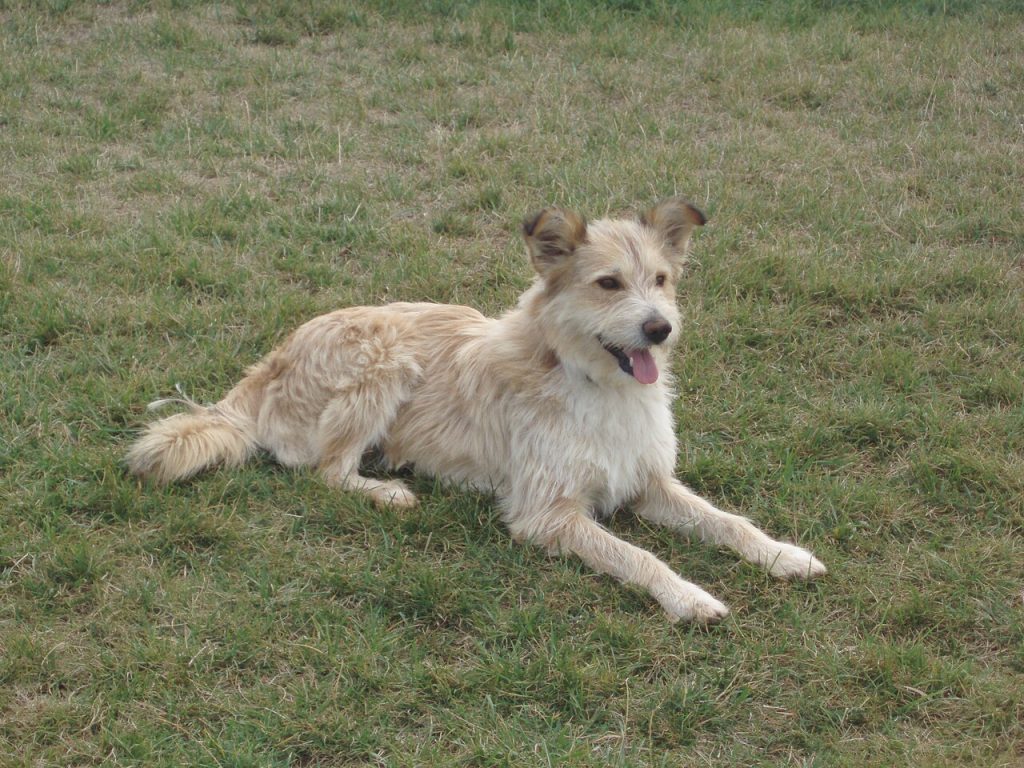
The Pastor Vasco(in Basque, Euskal Artzain Txakurra) is a herding dog native to the Basque Country, bred for centuries to guide and guard herds in the mountains. Intelligent, tireless and deeply attached to its shepherd, it is a rustic breed and still little known outside the Basque Country, divided into two varieties – the smooth-haired Gorbeiakoa and the long-haired Iletsua – and today considered vulnerable due to its scarce population.
Is Pastor Basque for you?
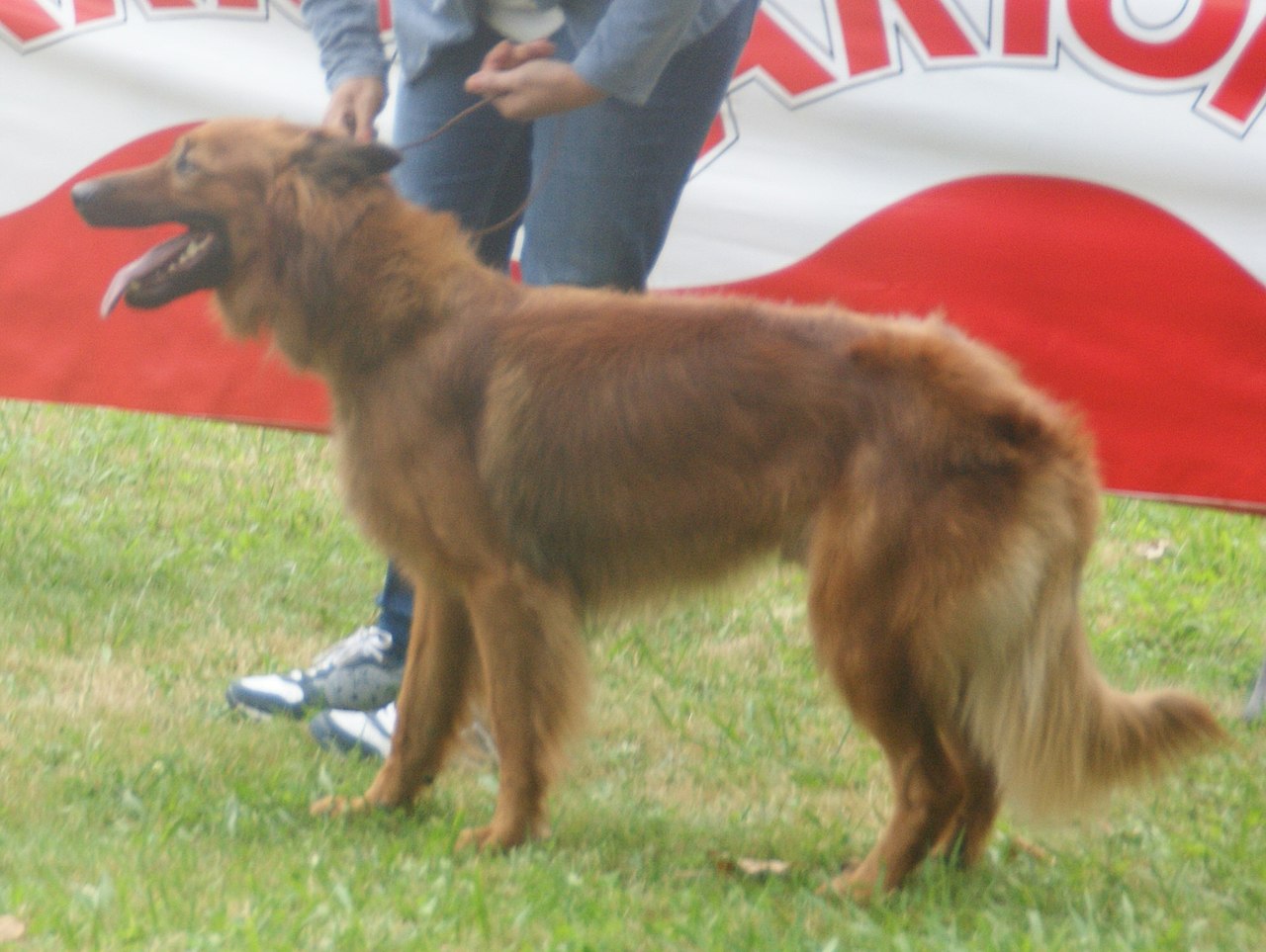
The Basque Shepherd is not a dog for everyone. It is a field athlete, made to work from sun to sun alongside its shepherd, and transferring that intensity to a domestic life requires time, space and commitment. In return it offers a rare loyalty and an almost telepathic connection with its owner. Before looking for a puppy, it sincerely contrasts these two sides.
In favour .
- Very smart and easy to motivate for the job.
- He has a very strong bond with his family; he’s a one-owner dog emotionally.
- Rustic, healthy and resistant to cold and weather.
- Excellent for dog sports and rural or mountain life.
- Good natural guardian, alert and territorial.
To be taken into account
- He needs a lot of daily exercise; he gets bored and frustrated if he doesn’t.
- Shepherding instinct: can herd children and pets.
- Reserved with strangers and vigilant; requires early socialization.
- Bad fit in small flats or with sedentary owners.
- Very rare breed: difficult to find outside the Basque Country.
Character and temperament
If there is one word that defines the Basque Shepherd, it is delivery. It is a dog that lives dependent on its owner, with whom it establishes an extraordinarily strong bond: it accompanies him everywhere and rarely separates from him.
It has a marked territorial instinct, inherited from its role as guardian of the farm and the herd. With its own it is affectionate and balanced; with strangers it is prudent and vigilant, without falling into gratuitous aggressiveness when it has been well socialized.
It needs to feel that it has a task – to shepherd, to learn, to compete, to accompany – in order to be in balance. A Basque Shepherd with a job and a present owner is a stable and satisfied companion; one ignored and without stimuli can become restless and develop problematic behaviors.
Coexistence: children, other pets, flat and loneliness
With children.‘s loyalty and family attachment make it a good companion for children, especially older ones who understand how to treat a dog.
With other pets. Accustomed to working with sheep, goats and even horses and cows, it usually gets along well with other animals if it grows up among them.
On the floor. is not its natural habitat. It can live in a flat if it is compensated for by several hours of exercise and mental work, but it shines in homes with a garden, farms or rural environments where it can move freely.
Soledad. is its weak point. A dog so attached to its owner does not tolerate long absences: prolonged loneliness generates stress and boredom. It is not the ideal breed for those who spend the whole day outside the house.
Education and training

To train a Basque Shepherd is, in general, grateful. Its intelligence and its desire to please its owner make it assimilate orders quickly. The key is to start early, be consistent and always work positively, taking advantage of that strong affective bond as the main motivational tool.
Training can start with a basic education – standing still, sitting, going to the call, walking without pulling – and then progress to more demanding tasks.Whatever the dog’s age, the socializing is essential: exposing it from puppyhood to people, noises, other animals and different environments softens its territorial character and builds its confidence.
It is important to remember that this breed demands high levels of physical exercise and mental stimulation; without them, no cow training. It therefore fits especially well with active families, with access to a garden or living in the countryside. In inexperienced or passive hands, its energy and initiative can be difficult to manage.
Exercise and activity
There are no shortcuts here: the Basque Shepherd needs a lot exercise. It is a dog designed to roam mountains for hours guiding cattle, with a remarkable physical background and a mind that demands constant task. A couple of short walks are not enough for it.
The ideal is to combine intense physical exercise – long walks, running, hiking, search game – with mental stimulation: olfactory games, interactive toys, obedience sessions or tricks.
A well-exercised Basque Shepherd is calm and balanced at home. One who is short of activity discharges his excess energy in barking, wrecking or obsessive behavior. Activity is not an extra with this breed: it is a necessity.
Care: fur and hygiene

The Gorbeiakoa, with short, smooth hair and attached to the body, is very simple to maintain: a regular brushing is enough to remove the dead hair.
In both cases, the bath is given only when necessary; being a rustic dog, it is not advisable to bathe it excessively so as not to damage the natural protection of its coat.
It is a dog designed for the weather, so its coat is made to protect it from the cold and moisture of the mountains.
Foodstuffs
As an active, medium-sized dog, the Basque Shepherd needs a balanced diet adjusted to its high energy expenditure. A quality diet, with good protein and fat intake, maintains its musculature and endurance, especially if it works or plays sports regularly.
The amount should be tailored to your age, weight, activity level and physical condition, dividing the ration into two daily servings to aid digestion. It is advisable to monitor your physical condition: Although it is a fibrous dog and rarely prone to overweight, an under-exercised and overfed dog may gain extra pounds. Fresh water is always available and, if in doubt about the diet, it is best to consult the veterinarian.
Health and life expectancy
The Basque Shepherd is usually a robust and healthy breed. Centuries of natural and functional selection, away from aesthetic fashions, have produced a rustic and resistant dog.
His life expectancy is estimated to be around 13 to 15 years old, and it’s not uncommon for him to outgrow it. That longevity fits his profile as a healthy, working dog. Even so, being a rustic breed does not exempt from care: Regular veterinary checkups, daily vaccination and deworming, dental checkups, and joint and weight care help you grow up fit and healthy. As it is a very small population, responsible breeding that takes care of genetic diversity is key to its future health.
Physical appearance
The Basque Shepherd is a medium size dog, with a strong body and rectangular silhouette, usually between 10 and 20% longer than tall. Males measure about 47-63 cm at the withers and females about 46-59 cm; the weight is around 18-36 kg in males and 17-30 kg in females, depending on the variety. It has oval brown or amber eyes, alert expression, and medium-sized, triangular, dropped or folded ears.
The big difference between their two varieties is in the mantle. The Gorbeiakoa has soft, smooth, moderate-length hair, shorter on the face and front of the legs, in fire-red or lionskin tones, often with some darkening of the snout. The Iletsua features a rougher and harder hair, of medium length and rustic appearance, in cinnamon or lionskin tones. Despite these differences, both share the same agile, muscular, and harmonious structure of a dog designed to move quickly and accurately.
Origin and history
The Basque Shepherd is one of the oldest and most deeply rooted dogs in the Basque Country, to the point of appearing in Basque mythology itself. Dogs of this type are recognized in frescoes of Basque churches and monasteries since the 16th century, and later in works by artists such as Luis Paret and Alcázar, Gustave Doré, Adolfo Guiard or Arrue, proof of a popularity that transcended from the rural world to the high spheres of the time.
Between the late 19th and early 20th centuries, a period of heavy wolf attacks on herds led herders to use it alongside mastiffs. Its value aroused such admiration in herding contests that in 1991 he started a research project to study the breed using ethnological, biochemical, genetic, and ethological criteria. That work culminated in its recognition by the Royal Canine Society of Spain in the mid-1990s, in its two varieties, Iletsua and Gorbeiakoa. The Government of Spain published its official standard in 2001 – first the Gorbeiakoa and the following year the Iletsua – and that same year the breed entered the official list of native breeds of the Basque Autonomous Community, with specific breeding and registration regulations in 2003.
A curious chapter in their history came in the 1950s, when many Basques emigrated to the United States to work as shepherds and took these dogs with them, exporting their livestock knowledge across the Atlantic.
Curiosities
- Its name in Basque, Euskal Artzain Txakurra, literally means “Basque shepherd dog”.
- It is one of the five native dogs of the Basque Country, along with the Erbi Txakur, the Pachón Navarro, the Villano de Las Encartaciones and the Villanuco de Las Encartaciones.
- It is the most widely used dog in the i ‘m going to test you ., the traditional Basque herding dog trials, and has shone in international herding competitions held in Oñati since 1950.
- Not only does he lead sheep, but he has also been employed with goats, cows, and horses, and as a keeper of farms.
- With an estimated population of between 500 and 700 individuals, it is a vulnerable breed whose survival depends on committed herders and breeders.
If you are attracted to the hardworking and intelligent character of the Basque Shepherd, you may be interested in other herding breeds with similar profiles: the tireless Border Collie, the versatile Pastor Australiano, the versatile Pastor Alemán or the elegant Shepherd of Shetland.
Frequently Asked Questions about the Basque Shepherd
Is the Basque Shepherd an officially recognized breed?
The Basque Shepherd (Euskal Artzain Txakurra) is recognized by the Royal Canine Society of Spain and is on the official list of native breeds of the Basque Autonomous Community, with its own breeding and registration regulations published in 2003.
How many varieties of Pastor Vasco are there?
Two: the Gorbeiakoa, short and smooth-haired, originally from the Gorbea area; and the Iletsua, long-haired, rough and somewhat wavy (iletsua means precisely ‘hairy’ in Basque).
Is he a good dog to live on?
It is not their ideal environment. The Basque Shepherd is a working dog with a lot of energy and a strong herding instinct. It can adapt to a floor if it receives several hours daily of exercise and mental stimulation, but performs much better at home with a garden, rural environment or very active families.
Does Pastor Vasco get along with children?
It is usually loyal and very attached to its family, which makes it a good companion for older children who respect their space.
How long does a Basque Shepherd live?
It is a rustic and generally healthy breed, with no common hereditary diseases documented, although regular veterinary checks should be maintained.
How much exercise do you need?
A lot. At least a couple of hours a day between long walks, running and mental work. It is designed to move for hours guiding herds, so it enjoys dog sports such as agility, obedience or herding, and gets bored (with destructive behaviors) if it is short of activity.
Is it hard to train?
On the contrary: it is very intelligent and has an intense bond with its owner, which facilitates learning. It needs consistent training, positive and from puppyhood, with good socialization to soften its territorial character. In inexperienced hands its energy can be overwhelming.
Is the Basque Shepherd endangered?
The census is very small: figures of between 500 and 700 specimens in its two varieties have been handled, and in 2026 the Royal Canine Society of Spain included it among the Spanish breeds considered vulnerable.